Snake Symbolism in Dreams: A Detailed Guide
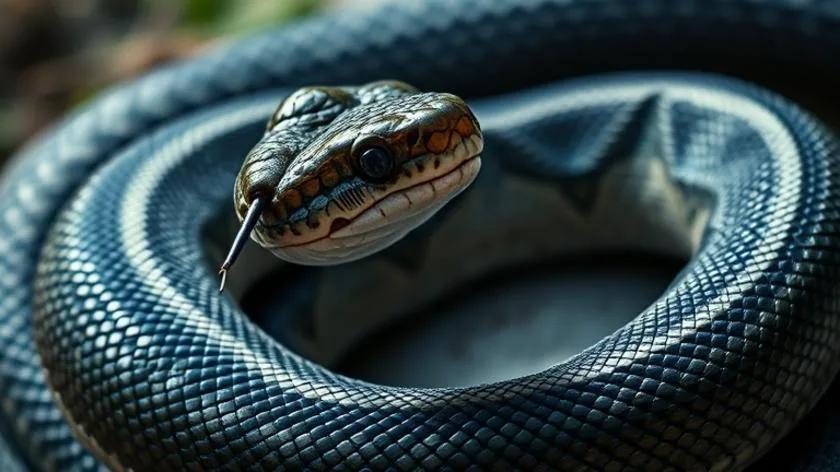
Dreams featuring slithering creatures have fascinated humanity for millennia, and snakes are among the most potent symbols that appear in the nightly mindscape. When a serpent coils through subconscious narratives, it can signal transformation, hidden threats, or primal instincts waiting to be acknowledged. For those exploring the depths of nightly imagery, a nuanced look at snake symbolism dreams in detail guide offers a roadmap to untangle the layers of meaning that a single dream can contain.
Thank you for reading this post, don't forget to subscribe!Beyond mere superstition, contemporary psychology and cross‑cultural mythology converge on the idea that a snake’s presence in sleep is rarely accidental. Whether the reptile is seen shedding its skin, striking, or simply gliding silently, each scenario opens a window into unresolved emotions, personal growth, or cultural archetypes. This article unpacks the symbolism step by step, furnishing readers with a comprehensive, evidence‑backed framework for interpreting these vivid nocturnal messages.
## Table of Contents
– Understanding Snake Symbolism in Dreams
– Cultural and Historical Perspectives
– Common Dream Scenarios and Their Interpretations
– Psychological Insights and Jungian Analysis
– Practical Steps for Interpreting Your Snake Dreams
– Comparison Table: Positive vs. Negative Snake Dream Themes
– FAQ
– Conclusion and Final Takeaways
## Understanding Snake Symbolism in Dreams
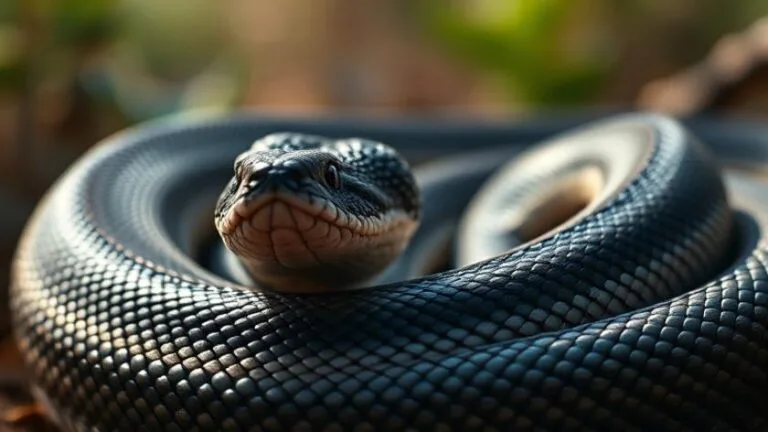
Snakes occupy a liminal space between danger and renewal. Their ability to shed skin makes them natural emblems of rebirth, while their potential for venom underscores latent threat. When a dreamer encounters a snake, the brain often interprets the animal through the lens of personal experience—fear, fascination, or a recent encounter with change.
The first analytical step is to note the snake’s condition: Is it alive, dead, biting, or coiled peacefully? A live, active serpent typically points to dynamic forces at work in the dreamer’s waking life. Conversely, a dead or inert snake may signal an ending of a particular anxiety or the conclusion of a transformative phase.
## Cultural and Historical Perspectives
Across continents, the Snake Meaning varies dramatically. In ancient Egypt, the uraei—an upright cobra—embodied royal authority and protection. Hindu mythology venerates the naga as guardians of water and knowledge, while many Indigenous Australian stories cast the snake as a creator spirit whose movements shape the land.
In Western traditions, the biblical serpent is often linked to temptation and the loss of innocence, creating a lingering association with deceit. Yet Renaissance alchemy re‑interpreted the snake as a symbol of the ouroboros, representing the eternal cycle of renewal. Understanding these cultural backdrops enriches the interpretive palette, allowing the dreamer to see whether their personal snake aligns with an external archetype or a uniquely internal narrative.
## Common Dream Scenarios and Their Interpretations
| Dream Scenario | Typical Emotional Tone | Core Interpretation |
|—————-|———————–|———————-|
| **Seeing a snake slithering across the floor** | Unease or curiosity | Unacknowledged issues surfacing |
| **Being bitten** | Shock, pain | Confrontation with a painful truth |
| **Holding a snake gently** | Calm, wonder | Acceptance of change, personal power |
| **Snake shedding its skin** | Relief, awe | Transition, personal growth |
| **Dead snake on the ground** | Sadness, finality | End of a threatening chapter |
| **Multiple snakes tangled** | Overwhelm | Complex, interwoven challenges |
Each scenario acts as a mirror, reflecting how the subconscious classifies stressors, opportunities, and internal dialogues. Pay special attention to the emotions felt in the dream; they often outrank the literal symbols in predictive power.
## Psychological Insights and Jungian Analysis
Carl Jung famously categorized the snake as a potent archetype of the shadow—the parts of the psyche that remain hidden or repressed. When the unconscious presents a snake, it may be urging integration of these shadow aspects. For instance, a dream where the snake coils around the dreamer’s neck could represent an oppressive belief system that needs to be examined and released.
Modern neuropsychology adds another layer: the amygdala’s activation during fear‑laden dreaming can intensify the perceived menace of a snake, even when the waking life context suggests safety. This neuro‑emotional feedback loop explains why a single snake encounter can feel disproportionately intense.
By blending Jungian symbolism with current brain science, interpretive accuracy improves. The key is to ask: “What part of me is the snake representing, and how does that align with my current life transitions?”
## Practical Steps for Interpreting Your Snake Dreams
1. **Record the Details** – Immediately after waking, jot down the snake’s color, size, environment, and actions. Include any spoken words or sensations.
2. **Identify Emotions** – Note the primary feeling (fear, calm, curiosity). Emotions function as the dream’s “tone dial.”
3. **Map Personal Associations** – Does the snake remind you of a childhood memory, a recent news story, or a personal symbol?
4. **Cross‑Reference Cultural Themes** – Briefly consult resources on Snake Meaning to see if any cultural motifs resonate.
5. **Apply the Shadow Lens** – Ask how the snake might embody an aspect of yourself you usually keep hidden.
6. **Take Action** – If the dream suggests change, outline a concrete step (e.g., addressing a lingering conflict, initiating a personal project).
For deeper context, you may refer back to this comprehensive guide at any point during your reflective process.
## Comparison Table: Positive vs. Negative Snake Dream Themes
| Aspect | Positive Connotation | Negative Connotation |
|---|---|---|
| Physical State | Shedding skin – renewal | Venomous bite – hidden danger |
| Interaction | Holding gently – mastery | Being chased – avoidance |
| Environment | Calm meadow – harmony | Dark cave – confinement |
| Number | Single snake – focused insight | Swarm – overwhelming stress |
## FAQ
**Q1: What does it mean to dream of a snake that is bright green?**
A: Symbolizes growth, healing, or envy depending on personal context.
**Q2: Are snake dreams always warnings?**
A: Not necessarily; they can also herald transformation.
**Q3: How often should I record my snake dreams?**
A: Whenever they occur; patterns emerge after several entries.
**Q4: Can cultural background change the interpretation?**
A: Yes, cultural symbolism heavily influences meaning.
**Q5: Does the size of the snake matter?**
A: Larger snakes often indicate bigger issues or more powerful forces.
## Conclusion and Final Takeaways
Interpreting serpent imagery demands a blend of personal introspection, cultural literacy, and psychological insight. By systematically cataloguing dream specifics, recognizing emotional currents, and situating the snake within larger mythic frameworks, you gain a clearer map of what the subconscious seeks to communicate. The snake symbolism dreams in detail guide serves as a sturdy compass for anyone ready to translate nocturnal riddles into actionable self‑knowledge.
If you wish to explore further scholarly perspectives, a quick search can uncover academic papers and mythological compendiums. For example, try this Google search for additional resources.
Continue observing your dreams, keep the documentation disciplined, and let each serpentine symbol become a stepping stone toward deeper self‑realization.