Tarot Symbolism: A Simple Guide
The world of divination is rich with visual language, and each card in the deck carries layers of symbolism that speak to the seeker’s inner landscape. By learning to read these symbols, you can move beyond surface‑level interpretations and tap into deeper narratives that resonate with personal experience. A well‑crafted tarot symbolism simple guide offers the tools to translate images into insight, fostering a more nuanced dialogue between the cards and your intuition.
Thank you for reading this post, don't forget to subscribe!Whether you are exploring the archetypal figures of the Major Arcana or the elemental nuances of the Minor suits, understanding the visual cues empowers you to uncover meaning that aligns with your life’s questions. This article walks you through core symbols, practical application techniques, and comparative frameworks, providing a comprehensive resource for both beginners and seasoned readers seeking clarity through symbolism.
## Table of Contents
– Understanding the Major Arcana
– The Suits and Elements
– Key Symbols and Interpretations
– Practical Application of Symbolism
– Comparison Table
– FAQ
– Conclusion and Final Takeaways
## Understanding the Major Arcana
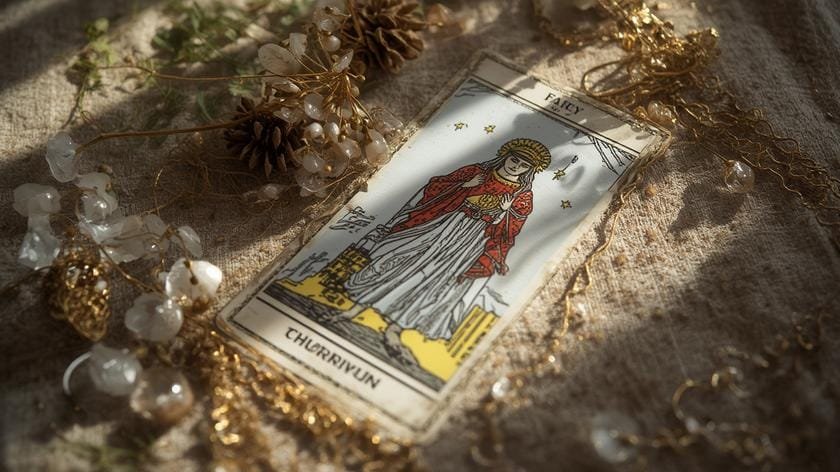
The 22 cards of the Major Arcana form the narrative spine of a tarot reading. Each card represents a universal stage of personal development, from the innocence of the Fool to the culmination of the World. Their imagery is deliberately dense: celestial bodies, animals, and architectural motifs all serve as signposts.
– **The Fool (0)** – A carefree traveler with a knapsack, often accompanied by a small dog. The cliff edge hints at risk, while the rising sun suggests optimism.
– **The Magician (I)** – Holds a wand toward the heavens, with the four suit symbols on the table, depicting mastery over the elements.
– **The High Priestess (II)** – Seated between two pillars, a veil hides deeper mysteries. The moon’s presence underscores intuition.
When you encounter these cards in a spread, concentrate on the dominant visual cues. The juxtaposition of light and shadow, the direction of glances, and the presence of animals each provide a sub‑layer of meaning that enriches the core archetype. For a deeper dive into the narrative arc, see our comprehensive analysis of the Fool’s journey.
The Minor Arcana are divided into four suits, each aligned with an elemental force:
| Suit | Element | Core Themes |
|——|———-|————–|
| Wands | Fire | Inspiration, ambition, growth |
| Cups | Water | Emotions, relationships, intuition |
| Swords | Air | Thought, conflict, clarity |
| Pentacles | Earth | Materiality, security, manifestation |
Each suit follows a progression from Ace (the seed) through Ten (the culmination), with four Court cards that personify the element’s energy at different maturity levels. Recognizing the elemental signature of a card helps you contextualize its advice within the broader reading. For example, a reversed Ace of Pentacles may indicate blocked material opportunities, while the same card upright signals a fresh start in financial matters.
## Key Symbols and Interpretations
Below is a curated list of recurring symbols that appear across multiple cards, along with concise Tarot Meanings you can reference quickly.
| Symbol | General Interpretation | Typical Cards |
|——–|———————–|—————|
| **Snake** | Transformation, hidden knowledge, temptation | The Lovers, Temperance, Seven of Swords |
| **Sun** | Success, vitality, clarity | The Sun, Knight of Wands, Ten of Cups |
| **Moon** | Illusion, subconscious, cycles | The Moon, Eight of Cups, Two of Swords |
| **Crown** | Authority, achievement, spiritual enlightenment | The Emperor, The Hierophant, King of Pentacles |
| **Water** | Emotion, flow, purification | Cups suit, The Hanged Man (river), Eight of Cups |
| **Mountain** | Obstacles, endurance, stability | The Devil (chains on a cliff), Five of Pentacles (snowy scene) |
When you notice a symbol, pause to consider how its universal meaning interacts with the card’s position in the spread. The context (past, present, future) and surrounding cards can shift the symbol’s nuance dramatically.
## Practical Application of Symbolism
### 1. Observation Phase
Lay out the cards and spend 30 seconds simply observing each image. Note colors, gestures, and background details. This stage is about data collection, not interpretation.
### 2. Symbol Mapping
Create a quick list of dominant symbols for each card. Use the table above as a reference, adding any unique elements you discover (e.g., a specific flower or animal breed).
### 3. Contextual Synthesis
Ask three guiding questions:
1. *What does the symbol traditionally represent?*
2. *How does the card’s position (e.g., present) modify that meaning?*
3. *What story emerges when you link this symbol with neighboring cards?*
### 4. Narrative Integration
Compose a short paragraph that weaves together the symbols, the archetypal meaning of the card, and the querent’s question. This narrative becomes the core of your reading.
### 5. Review with a symbol checklist
Before finalizing, cross‑check each interpretation against your notes to ensure consistency and avoid over‑reliance on a single symbol.
By following this structured approach, the tarot symbolism simple guide transforms from a static reference into an active, decision‑making tool.
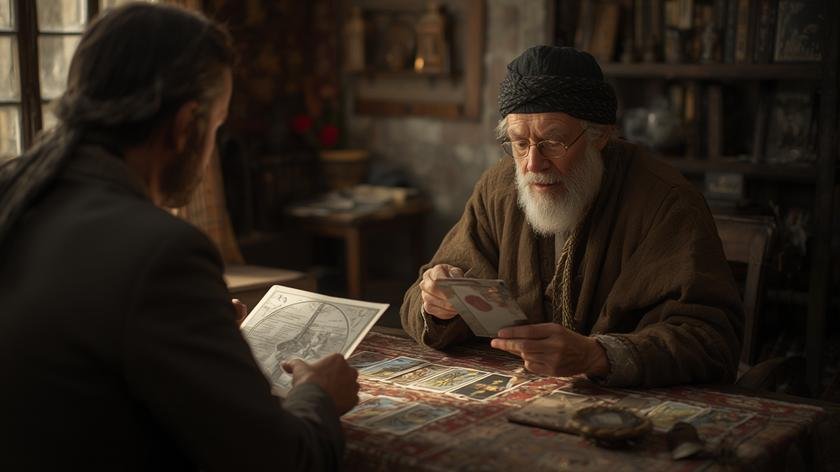
The table below contrasts two common methods of interpreting tarot symbolism: the **Intuitive Approach** versus the **Symbolic Reference Approach**. This helps readers decide which pathway aligns with their learning style.
| Aspect | Intuitive Approach | Symbolic Reference Approach |
|---|---|---|
| Learning Curve | Steeper; relies on personal resonance. | Gentler; uses established symbol dictionaries. |
| Speed of Reading | Fast once intuition is tuned. | Moderate; requires lookup. |
| Depth of Insight | Highly personal, may miss universal patterns. | Balanced; merges personal and archetypal meaning. |
| Typical Tools | Journal, meditation, dream work. | Symbol guidebooks, online databases. |
| Best For | Advanced practitioners seeking unique voice. | Beginners and those who value consistency. |
If you wish to explore more resources on symbolic frameworks, a quick search will surface numerous scholarly articles: Search the web.
**What is the most common symbol for transformation?**
The snake, representing shedding and renewal.
**How many cards are in the Major Arcana?**
Twenty‑two, numbered 0–21.
**Do reversed cards change the symbolism?**
Yes, they often invert or nuance the original meaning.
**Can I rely solely on colors for interpretation?**
Colors provide clues but should be combined with other symbols.
**Is there a universal meaning for the cup symbol?**
Generally it indicates emotions and relationships.
## Conclusion and Final Takeaways
Mastering tarot symbolism is a journey that blends scholarly research with personal intuition. A well‑structured tarot symbolism simple guide equips you with a repeatable process: observe, map, synthesize, narrate, and review. By appreciating the layered language of archetypes, elemental suits, and recurring motifs, you develop readings that are both richly textured and deeply resonant.
Continue to practice with diverse decks, keep a dedicated symbol journal, and revisit the comparison table whenever you feel stuck between intuition and reference. Over time, the symbols will begin to speak fluently, allowing you to convey the wisdom of the cards with clarity and confidence.
*Ready to deepen your practice? Review the steps outlined above, apply them to your next spread, and observe how your interpretations evolve.*