Travel Destinations with Water Villages to Explore
There is a timeless allure in settlements that seem to float between water and sky, where daily life unfolds on stilts, bridges, and narrow canals. These unique habitats offer travelers an intimate glimpse into cultures that have thrived by adapting to aquatic environments, shaping architecture, cuisine, and rituals around the ebb and flow of tides. For those seeking authentic immersion, exploring travel destinations with water villages provides a rare blend of history, natural beauty, and community resilience that standard tourist hotspots rarely deliver.
Thank you for reading this post, don't forget to subscribe!Planning a journey to these watery enclaves requires more than a simple itinerary; it demands thoughtful preparation, respect for local ecosystems, and an openness to navigate spaces where boats replace cars and markets hover over water surfaces. By understanding the nuances of each locale—from seasonal flood patterns to cultural etiquette—visitors can enjoy enriching experiences that honor both heritage and sustainability.
Table of Contents
- Understanding Water Villages
- Asia Water Village Hotspots
- European Water Village Gems
- Caribbean & Island Resorts
- Planning & Sustainable Travel
- Comparison Table
- FAQ
- Conclusion & Final Takeaways
Understanding Water Villages
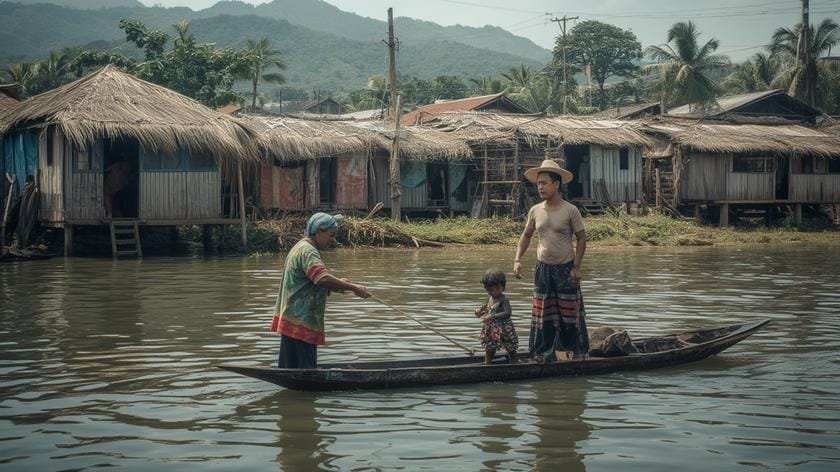
Water villages are settlements constructed over rivers, lakes, or coastal lagoons, where homes, shops, and public spaces rest on pilings driven deep into the substrate. Their origins often trace back centuries, emerging as pragmatic responses to flooding, limited arable land, or defensive needs. In these locales, boats serve as primary transportation, and daily activities—such as laundry, fishing, and market trade—take place on floating platforms or along wooden walkways.
Beyond their functional design, water villages embody a cultural philosophy that emphasizes harmony with nature. Residents traditionally employ locally sourced materials, such as bamboo, thatch, and reclaimed timber, minimizing environmental footprints. The social fabric is tightly knit, with communal events like lantern festivals or river clean‑ups reinforcing collective stewardship. For travelers, this creates an immersive environment where the rhythm of life is dictated by tides rather than traffic lights.
Asia Water Village Hotspots
Asia boasts a dense concentration of iconic water villages, each reflecting distinct regional histories.
- Shangri‑La’s Floating Markets, Thailand – Nestled along the Mekong River, these markets thrive on early‑morning boat traffic. Vendors display tropical fruits, aromatic herbs, and handcrafted textiles directly from their vessels, offering a sensory tableau that is both vibrant and authentic.
- Bali’s Jatiluwih Subak System, Indonesia – While primarily known for terraced rice fields, the Subak irrigation network creates a series of interconnected ponds and canals. Small villages perched on stilts blend seamlessly into the verdant landscape, illustrating the interplay between agriculture and water management.
- Vietnam’s Ha Long Bay Villages – The limestone karsts shelter floating communities whose livelihoods revolve around fishing and aquaculture. Traditional wooden junks glide between limestone islands, providing a dramatic backdrop for sunrise photography.
- Myanmar’s Inle Lake – Perhaps the most celebrated Asian water village cluster, Inle Lake features leg‑rowers, floating gardens, and a bustling weekend market. The region’s famed silverwork and traditional hill tribe crafts are directly linked to the lake’s economic ecosystem.
Visiting these Asian spots often involves early‑morning boat tours, guide‑led walks along wooden planks, and opportunities to participate in local cooking classes that showcase river‑sourced ingredients. Importantly, many of these destinations have begun implementing visitor caps and community‑led tourism committees to protect both heritage and environment.
European Water Village Gems
Europe’s water villages may lack the tropical vibrancy of their Asian counterparts, yet they exude a quiet elegance shaped by centuries of trade and engineering.
- Giethoorn, Netherlands – Nicknamed “The Venice of the North,” Giethoorn consists of narrow canals flanked by thatched‑roof cottages. Pedestrian bridges crisscross the waterway, and silent electric boats replace motorized traffic, preserving the village’s tranquil atmosphere.
- Hallstatt, Austria – Set on the shore of a crystal‑clear alpine lake, Hallstatt’s historic houses sit atop rock‑cut foundations. Wooden pathways link the town to the lake’s ferry, and UNESCO‑protected salt mines—accessed via boat—add an industrial heritage layer.
- Venice, Italy (Isola di San Francesco del Deserto) – While Venice itself is a sprawling lagoon city, the modest island of San Francesco del Deserto offers a quieter water‑village experience, featuring centuries‑old monasteries and a small community that lives primarily on the water.
- St. Petersburg’s Vasilyevsky Island, Russia – This island hosts a network of canals reminiscent of Amsterdam, with historic warehouses now serving as museums and galleries. The waterfront promenades showcase neoclassical facades that glide into the Neva River.
European water villages often integrate heritage preservation with modern amenities. Visitors can explore on foot, by rented rowboats, or via electric water taxis, minimizing noise and emissions. Seasonal festivals—such as Giethoorn’s “Lake Festival”—celebrate local customs while inviting travelers to partake responsibly.
Caribbean & Island Resorts
The Caribbean component of water‑village tourism blends natural lagoon settings with luxurious hospitality. While many island resorts focus on beachfront experiences, a select few incorporate genuine water‑village elements, allowing guests to stay amid floating structures that echo traditional coastal living.
- Seychelles’ Mahe Island Beach Cottages – Certain eco‑resorts feature stilted bungalows built over tidal flats, offering direct access to shallow waters for snorkeling and paddleboarding. These accommodations prioritize renewable energy and rainwater harvesting.
- Bahamas’ Exuma Cays – Small fishing villages dotting the Exuma chain maintain a low‑key rhythm, where wooden walkways connect scattered huts. Luxury resorts nearby have collaborated with locals to offer cultural excursions, such as guided boat rides through mangrove creeks.
- Jamaica’s Port Antonio – The historic fishing settlement of Port Antonio retains wooden pier markets where fresh catch is sold daily. Boutique island hotels have integrated “floating suites” that sit on buoyant platforms, providing an upscale twist on the water‑village concept.
These destinations illustrate the synergy between Island Resorts and traditional water‑village life, where travelers can enjoy high‑end amenities while still engaging with authentic maritime culture. It is crucial, however, to verify that such resorts adopt sustainable practices—such as waste reduction and local sourcing—to ensure the surrounding ecosystems remain pristine.
Planning & Sustainable Travel
Successfully navigating travel destinations with water villages hinges on thoughtful preparation. Below are essential steps to maximize enjoyment while minimizing impact:
- Research seasonal water levels. Many villages become inaccessible during high tide or rainy seasons. Consult local weather forecasts and community bulletins to time visits when pathways are safe and markets are fully operational.
- Choose community‑based tours. Operators owned by locals often allocate a larger share of revenue back to the village, funding school programs, clean‑water projects, and cultural preservation.
- Pack appropriate footwear. Non‑slip, water‑resistant shoes protect both the wearer and the delicate wooden walkways, reducing wear from heavy boots or high heels.
- Respect cultural etiquette. In many water villages, stepping onto private decks without permission is considered intrusive. Greet residents with a polite “good morning” and seek consent before photographing private spaces.
- Minimize single‑use plastics. Many villages lack comprehensive waste management; bring reusable containers, water bottles, and cloth bags to lessen litter.
- Support local artisans. Purchasing handmade goods directly from vendors ensures fair compensation, preserving traditional crafts that might otherwise fade.
For a deeper dive into responsible travel frameworks, consider reading our comprehensive guide to sustainable tourism practices. Additionally, our step‑by‑step itinerary planner can help you align travel dates with local festivals and low‑impact activity windows.
Comparison Table
| Region | Key Village | Best Season | Typical Activities | Eco‑Initiatives |
|---|---|---|---|---|
| Asia | Inle Lake, Myanmar | Oct‑Mar | Leg‑rower tours, floating market visits | Community‑run boat fuel program |
| Europe | Giethoorn, Netherlands | May‑Sep | Canal kayaking, thatched‑cottage walks | Electric boat fleet |
| Caribbean | Port Antonio, Jamaica | Dec‑Apr | Snorkeling, mangrove excursions | Rainwater harvesting at resorts |
| Southeast Asia | Ha Long Bay, Vietnam | Oct‑Apr | Kayak among karsts, night fishing | Visitor caps and reef restoration |
FAQ
- Do I need a visa to visit water villages? Entry requirements depend on the country; check local consulates before travel.
- Are electric boats available everywhere? Many destinations are adopting electric fleets, but traditional rowing boats remain common.
- Can I stay overnight in a water‑village? Several villages offer homestays or floating bungalows for authentic experiences.
- What language is spoken in most villages? Local dialects predominate, but guides often speak English or French.
- Is swimming safe in these waterways? Water quality varies; always follow local advice and wear appropriate gear.
Conclusion & Final Takeaways
Exploring travel destinations with water villages offers a compelling blend of cultural immersion, natural beauty, and responsible adventure. By selecting locations that prioritize community welfare, respecting seasonal rhythms, and adopting low‑impact practices, travelers can contribute positively to the preservation of these singular habitats. Whether navigating the serene canals of Giethoorn, drifting among the limestone islands of Ha Long Bay, or staying in a floating suite beside a Caribbean mangrove, the reward is a deeper appreciation for humanity’s capacity to thrive in harmony with water.
Ready to plan your own water‑village itinerary? Start by reviewing our detailed resources and let the currents guide your next unforgettable journey.