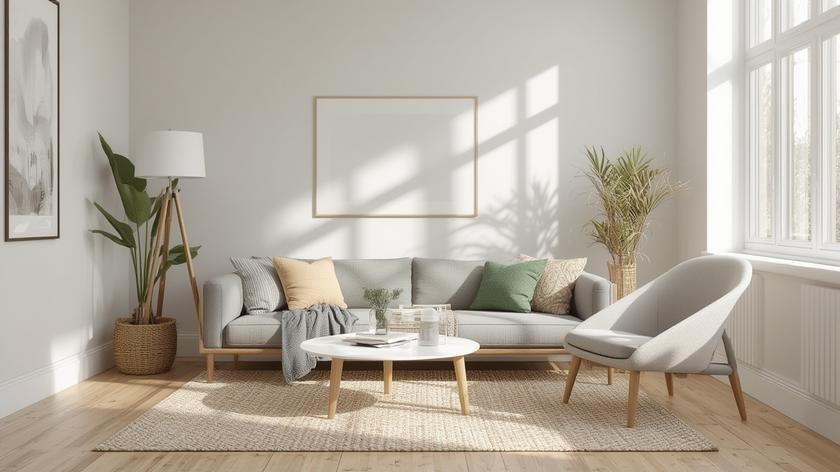
Trendy Home Tips for Beginners
Creating a comfortable and stylish living environment can feel overwhelming, especially when you’re just starting out. The good news is that adopting home tips trendy for beginners doesn’t require a design degree or a massive budget; it simply calls for a clear vision, smart choices, and a willingness to experiment with the latest aesthetics.
Thank you for reading this post, don't forget to subscribe!In this guide we’ll walk you through the essential principles that make the most of small spaces, color palettes, and affordable accessories, all while keeping the conversation grounded in practical, actionable advice. By the time you finish reading, you’ll have a toolbox of home tips trendy for beginners and a fresh set of Home Decor Tips to turn any room into a trendy showcase.
## Table of Contents
– Understanding Your Space
– Color Trends for Beginners
– Budget‑Friendly Furniture Finds
– Lighting Basics
– Styling with Textiles
– DIY Accents
– Toolbox Comparison for Beginners
– FAQ
– Conclusion and Final Takeaways
## Understanding Your Space {#understanding-your-space}
Before you buy a single decorative piece, map out the functional zones of your room. Identify high‑traffic pathways, natural light sources, and any architectural quirks such as nooks or protruding columns. Sketching a simple floor plan on graph paper—or using a free online tool—helps you visualize where furniture will sit and how circulation will flow.
A common mistake for newcomers is over‑filling a room with “must‑have” items before establishing a focal point. Start with a single statement piece—perhaps a bold sofa or an eye‑catching rug—and arrange the remaining furniture in relation to it. This technique creates visual balance and gives each element breathing room.
### Pro Tip
Use painter’s tape to outline your furniture footprint on the floor. This low‑commitment method lets you experiment with layout without moving heavy items repeatedly.
## Color Trends for Beginners {#color-trends-for-beginners}
Color sets the emotional tone of a space, and modern trends favor muted, nature‑inspired palettes that feel both fresh and timeless. Soft sage, warm terracotta, and calming greige dominate 2024 interiors. Pairing a neutral base with a single saturated accent—like a mustard‑yellow throw pillow—adds intrigue without overwhelming the eye.
When selecting paint, test large swatches on opposite walls to see how the hue behaves under different lighting conditions. Remember that morning light can make a shade appear cooler, while evening light warms it up.
### Quick Application
If you’re hesitant about full‑wall commitment, start with an accent wall or painted furniture. A turquoise sideboard, for example, can serve as a trend‑forward anchor while keeping the overall scheme grounded.
## Budget‑Friendly Furniture Finds {#budget-friendly-furniture-finds}
High‑design looks are achievable on modest budgets by leveraging resale platforms, outlet stores, and flat‑pack designs. Look for pieces with clean lines and neutral upholstery; these can easily be updated later with slipcovers or cushions.
Second‑hand markets often carry solid wood frames that can be sanded and refinished. A sturdy, mid‑century walnut coffee table, for instance, may be priced under $100 at a local thrift shop yet add instant sophistication.
### Strategic Shopping
– Prioritize multifunctional furniture (e.g., ottoman with storage).
– Check for seasonal sales; many retailers discount their inventory by up to 40 % in late summer.
– Use coupon‑stacking apps to compound savings on top of clearance prices.
## Lighting Basics {#lighting-basics}
The right illumination layers three distinct moods: ambient, task, and accent. Beginners should first secure a reliable ambient source—such as a ceiling fixture with a dimmable LED bulb—then layer task lighting for specific activities, like a desk lamp for a home office. Accent lighting, including wall sconces or LED strip lights, highlights artwork and architectural details.
Incorporating smart lighting systems can future‑proof your space. Even a basic Wi‑Fi‑enabled bulb lets you adjust color temperature and intensity via a smartphone, enhancing both functionality and ambiance.
### Energy Tip
Select bulbs with a minimum of 80 % energy‑star rating. Over the lifespan of a typical 10‑year bulb, this simple switch can save over $30 in electricity costs.
## Styling with Textiles {#styling-with-textiles}
Textiles are the most cost‑effective way to inject trendiness into a room. Mix patterns with caution: a maximum of three distinct prints keeps the visual field coherent. Pair a geometric rug with a solid‑colored sofa, then add a subtle, botanically printed throw for an organic touch.
Layering height adds depth. Hang curtains that reach the floor, then drape a lightweight blanket over the back of a chair. This technique creates a curated, lived‑in feel without extensive furnishings.
### Care Advice
Invest in high‑quality, low‑pilling fabrics for high‑traffic areas. Machine‑washable canvas or performance polyester blends retain color and texture longer than delicate linens.
## DIY Accents {#diy-accents}
Personalized projects can turn ordinary items into conversation starters. A set of hand‑painted ceramic planters, reclaimed wood floating shelves, or a custom gallery wall curated from family photos all embody the spirit of home tips trendy for beginners. DIY endeavors also provide the satisfaction of creating rather than merely consuming.
When planning a project, set a realistic timeline and budget. Begin with small‑scale tasks—like swapping out hardware on cabinets—before tackling larger builds. This incremental approach keeps momentum high and prevents burnout.
### Example Project
Refinish an outdated side table using chalk paint, then add metallic stencils for a modern twist. The entire makeover can be completed in under two evenings for under $25.
Explore more detailed how‑to guides that complement these ideas within your own home journey.
## Toolbox Comparison for Beginners {#toolbox-comparison}
Below is a concise comparison of three essential product categories that frequently appear in entry‑level home styling kits. The table evaluates price range, durability, style flexibility, and user‑friendliness.
| Category | Typical Price (USD) | Durability | Style Flexibility | User‑Friendliness |
|---|---|---|---|---|
| LED Smart Bulb | 15‑30 | High (10 yr lifespan) | Excellent (color & dimming) | Very easy (app‑controlled) |
| Modular Sofa | 400‑800 | Medium (fabric wear) | Good (rearrangeable sections) | Moderate (assembly required) |
| Wall‑Mounted Shelf Kit | 40‑70 | High (steel brackets) | Excellent (customizable layout) | Easy (drill‑free options) |
Discover how these tools can fit into any beginner’s plan and streamline the implementation of the concepts discussed above.
## FAQ {#faq}
**Q1: How many paint colors should I use in a single room?**
A: Stick to three—one dominant, one secondary, and one accent.
**Q2: Can I mix modern and vintage furniture?**
A: Yes, juxtaposing eras adds visual interest when colors harmonize.
**Q3: What’s the best budget for a living‑room refresh?**
A: Around $500–$800 can cover paint, textiles, and a key statement piece.
**Q4: Do I need a professional electrician for smart bulbs?**
A: No, most plug‑and‑play bulbs install without expertise.
**Q5: How often should I rotate décor items?**
A: Every 3–4 months keeps the space feeling fresh.
## Conclusion and Final Takeaways {#conclusion}
Integrating home tips trendy for beginners into your living environment is less about chasing the latest magazine spread and more about mastering a handful of timeless principles—intentional layout, thoughtful color use, strategic lighting, and purposeful accessorizing. By approaching each decision with a blend of creativity and practicality, even novices can achieve a polished, contemporary look that feels authentically theirs.
Remember that the journey to a stylish home is iterative. Start with one room, apply the concepts outlined here, evaluate the impact, and then expand outward. As you grow more confident, the same framework will guide larger projects, ensuring that every space you touch remains cohesive, inviting, and on‑trend.
For ongoing inspiration and a deeper dive into specific techniques, feel free to revisit this guide and explore the additional resources linked throughout the text. Your modern, trend‑forward home awaits.