Unlocking Spiritual Tarot Card Meanings
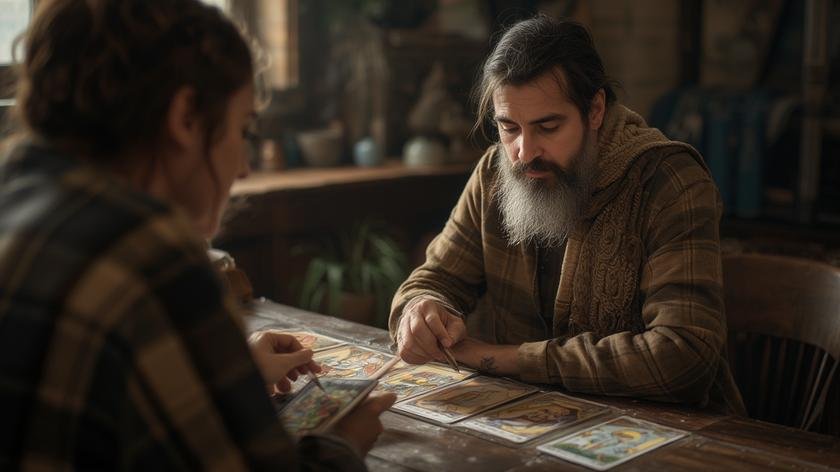
In the world of divination, many seekers look beyond the simple symbolism of the cards and aim to connect with a deeper, more resonant current. This pursuit leads them to explore spiritual tarot card meanings, a layer that intertwines intuition, archetype, and personal growth. When a reader taps into this subtle realm, the cards become mirrors that reflect not only present circumstances but also the soul’s evolutionary path.
Thank you for reading this post, don't forget to subscribe!Understanding how each image speaks to the spirit requires both study and practice, yet the rewards are profound. By integrating spiritual tarot card meanings into daily reflection, individuals often discover patterns that guide decisions, heal old wounds, and illuminate hidden strengths.
Table of Contents
- Understanding the Spiritual Dimension
- Major Arcana Spiritual Insights
- Minor Arcana Spiritual Themes
- Integrating Spiritual Tarot Card Meanings Into Practice
- Comparison Table
- FAQ
- Conclusion and Final Takeaways
Understanding the Spiritual Dimension
The spiritual layer of the tarot is not a separate deck but an added lens through which each card can be read. Rather than focusing solely on material outcomes, this perspective emphasizes the inner journey, karmic lessons, and the soul’s purpose. Practitioners often start by quieting the mind, allowing the subtle energies of the cards to surface before the intellect takes over. In this state, symbols such as the lotus, the lantern, or the soaring bird acquire personal resonance that can differ dramatically from one querent to another.
A consistent practice of meditation before a reading sharpens this connection. By holding a single card, breathing into its artwork, and asking, “What is my spirit asking me through this image?” the reader opens a channel for deeper guidance. Over time, patterns emerge—certain suits or numbers may repeatedly surface during periods of spiritual transition, offering clues about the next step on the path.
Major Arcana Spiritual Insights
The Major Arcana serves as the backbone of any tarot system, representing universal forces that shape our collective consciousness. When examined through a spiritual lens, each card reveals a phase of the soul’s evolution:
| Card | Spiritual Theme | Practical Reflection |
|---|---|---|
| The Fool | Trust in the Unknown | Embrace new beginnings without fear. |
| The Hermit | Inner Light | Seek solitude to hear your inner voice. |
| Death | Transformation | Release outdated beliefs to grow. |
| Justice | Karmic Balance | Align actions with higher truth. |
| The Star | Divine Hope | Maintain faith during darkness. |
These archetypal messages are amplified when the reader references Tarot Card Interpretation guides that specifically address spiritual growth. For instance, The High Priestess invites a deeper dive into subconscious symbols, urging the querent to trust intuition as a sacred compass.
Minor Arcana Spiritual Themes
While the Major Arcana outlines major soul lessons, the Minor Arcana provides the day‑to‑day context in which those lessons play out. Each suit corresponds to an elemental energy that also carries a spiritual sub‑meaning:
- Wands – The fire of inspiration and inner drive; spiritually, they point to the spark of purpose.
- Cups – The water of emotion; on a deeper plane, they reflect the flow of love and compassion.
- Swords – The air of intellect; spiritually, they challenge us to cut through illusion.
- Pentacles – The earth of material reality; spiritually, they remind us to ground our aspirations.
When a card such as the Five of Cups appears, the literal loss of relationships can be reframed as a spiritual invitation to process grief and release emotional blockage. Similarly, the Ace of Pentacles may signal an opportunity to manifest spiritual ideas into tangible projects.
Integrating Spiritual Tarot Card Meanings Into Practice
Applying these insights consistently transforms the tarot from a novelty into a lifelong companion. Below is a step‑by‑step framework that can be woven into any routine:
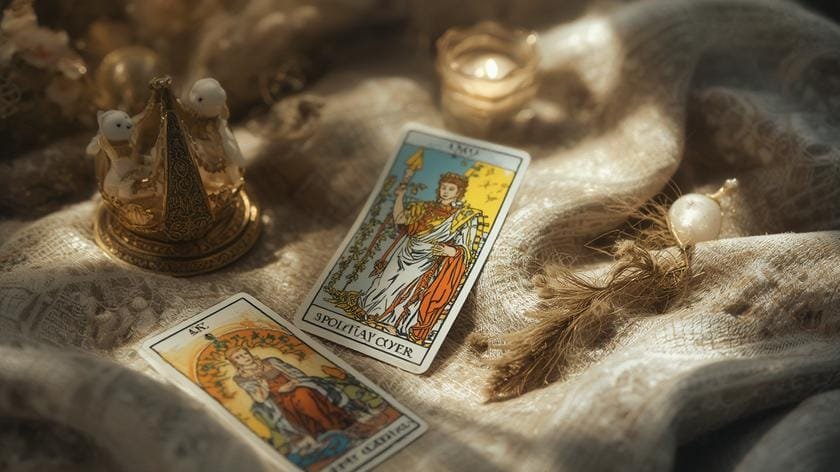
- Set a Sacred Space – Light a candle, lay out a cloth, and state an intention for spiritual clarity.
- Pick a Card Mindfully – Use a shuffled deck, allow the first card that slides out to be the guide.
- Observe Without Judgment – Note the imagery, colors, and emotions that arise.
- Ask the Spirit‑Focused Question – Phrase the query to invite inner wisdom, e.g., “What does my soul need to know now?”
- Journal the Insight – Write the felt meaning, linking it to current life circumstances.
- Revisit Periodically – Review past entries to trace patterns and confirm growth.
This methodology reinforces the habit of listening to inner guidance rather than seeking external validation. Over months, practitioners often report heightened intuition, clearer decision‑making, and a sense of alignment with their life purpose.
For further guidance, you might explore the core concepts in depth or read more about this approach later in the article.
Comparison Table
The table below contrasts three common reading styles, highlighting how each incorporates spiritual tarot card meanings into the interpretive process.
| Reading Style | Focus | Spiritual Integration | Ideal for |
|---|---|---|---|
| Traditional | Predictive outcomes | Limited, mostly symbolic | Beginners seeking clear answers |
| Psychic | Energetic impressions | Moderate, uses intuition | Those comfortable with instinctual guidance |
| Spiritual Insight | Soul growth & purpose | Deep, aligns with archetypal lessons | Seekers of long‑term personal evolution |
Choosing the right style depends on the querent’s goals and the reader’s level of experience. A spiritual practitioner may blend elements from each, creating a hybrid that honors both practical concerns and higher‑level lessons.
FAQ
- Can anyone learn to read spiritual meanings? Yes, with consistent practice and open heart.
- Do the meanings change over time? They evolve as the seeker’s consciousness expands.
- Is a journal necessary? It deepens reflection and tracks growth.
- How often should I perform a reading? Regularly, but avoid over‑analysis.
- Can the cards replace therapy? They complement, not substitute professional help.
Conclusion and Final Takeaways
Exploring spiritual tarot card meanings invites a dialogue between the conscious mind and the subtle currents that shape our inner world. By honoring the archetypal wisdom of the Major and Minor Arcana, and by adopting a disciplined practice, readers can transform each card into a stepping stone toward deeper self‑knowledge.
The journey is ongoing; every shuffle offers a fresh invitation to listen, learn, and align with the spirit’s quiet counsel. Embrace the process, trust the insights that surface, and let the cards guide you toward a more authentic, purpose‑filled life.
For additional resources on this topic, consider a quick search on Google to discover related articles and community discussions.