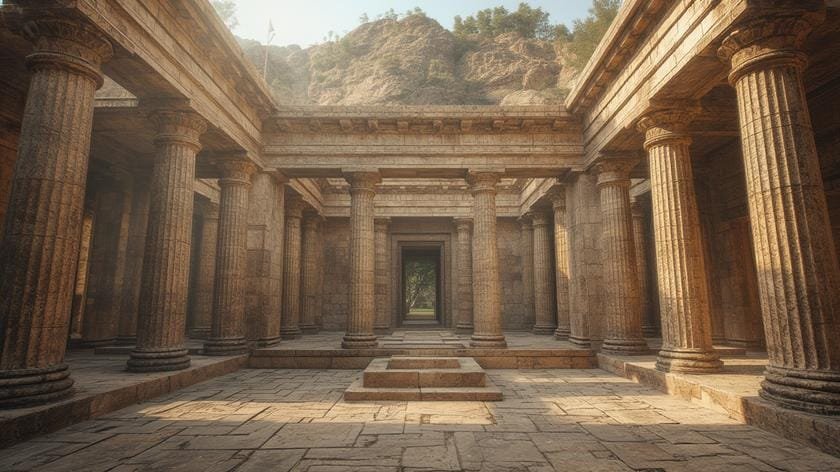
Ancient Legends From Around the World Revealed
Across continents and centuries, human societies have woven stories that explain the mysteries of existence, celebrate heroic deeds, and preserve cultural identity. By exploring ancient legends from around the world, we gain insight into the collective imagination that shaped early civilizations and continues to echo in modern narratives. These timeless tales serve as windows into the values, fears, and aspirations of peoples long gone, yet their resonance remains unmistakable.
Thank you for reading this post, don't forget to subscribe!While each culture possesses its own unique repertoire, common threads—creation myths, flood narratives, and heroic quests—reveal a shared human curiosity about origins and destiny. Delving into this global tapestry of ancient legends from around the world offers a richer appreciation of the complex web of belief systems that underpin the study of Mythology. The following sections journey through emblematic stories that have endured the test of time.
Table of Contents
- Mesopotamian Foundations
- Greek Heroic Tradition
- Nordic Sagas and the Frozen North
- African Tribal Narratives
- Asian Epic Tales
- Comparison of Core Themes
- FAQ
- Conclusion and Final Takeaways
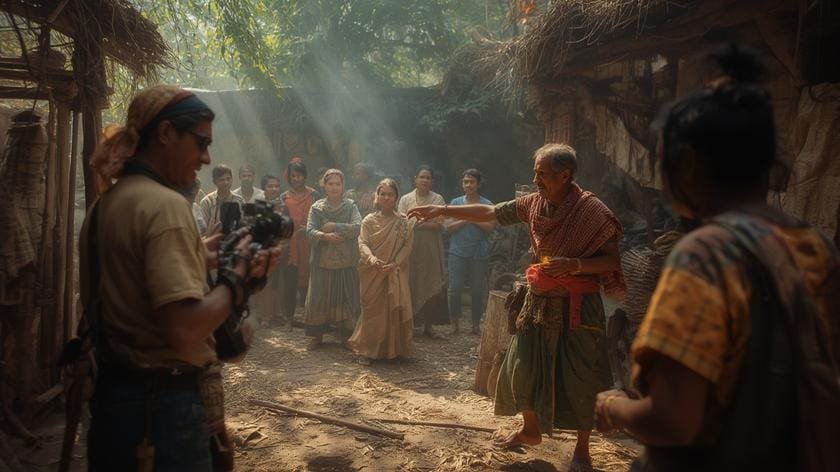
Mesopotamian Foundations
The fertile crescent gave birth to some of the earliest recorded narratives, inscribed on clay tablets that survive to this day. Central among them is the Epic of Gilgamesh, a tale of a semi‑divine king confronting mortality, forging friendships, and seeking immortality. The story’s flood episode parallels later accounts, suggesting a diffusion of motifs throughout the ancient Near East. These narratives were not merely entertainment; they reinforced the divine right of kingship, legitimized temple authority, and provided moral instruction. For deeper scholarly analysis, explore the narrative structures that link these myths to later traditions across the Mediterranean basin.
Greek Heroic Tradition
Greek literature immortalized heroes such as Perseus, Theseus, and Odysseus, whose adventures encapsulated ideals of courage, cleverness, and the tragic flaw known as hubris. The Iliad and the Odyssey, attributed to Homer, remain foundational texts, shaping Western concepts of honor and fate. Moreover, the Greeks codified a pantheon where gods intervened directly in mortal affairs, a feature that would echo in later European folklore. The richness of this Mythology lies in its layered symbolism, allowing each generation to reinterpret the tales to reflect contemporary concerns.
Nordic Sagas and the Frozen North
From the icy fjords of Scandinavia emerged sagas that chronicled the deeds of gods, giants, and heroic warriors. The Prose Edda and Poetic Edda compile myths surrounding Odin, Thor, and Loki, weaving themes of fate, sacrifice, and the eventual Ragnarok—a cataclysmic end of the world. These stories were preserved orally before being transcribed in the medieval period, embedding a strong sense of communal identity among the Norse peoples. Their emphasis on honor and the inexorable passage of time resonates with the harsh realities of life in the far north, offering a stark contrast to the more anthropocentric tales of the Mediterranean.
African Tribal Narratives
Across the vast expanse of Africa, oral traditions have sustained vibrant mythic cycles. In West Africa, the Epic of Sundiata recounts the rise of the Mali Empire’s founder, blending historical fact with supernatural guidance from ancestral spirits. In the Khoisan peoples of Southern Africa, creation stories attribute the emergence of humanity to the trickster figure /Kaggen, whose antics explain natural phenomena. These legends function as educational tools, preserving ecological knowledge, ethical norms, and communal histories. Their fluid nature—adapting to shifting social landscapes—exemplifies the dynamic vitality of indigenous narrative forms.
Asian Epic Tales
The Asian continent offers an unparalleled diversity of legends, from the Hindu Ramayana and Mahabharata to the Chinese Journey to the West. The Ramayana chronicles Prince Rama’s quest to rescue his wife Sita, underscoring dharma (righteousness) and the virtues of loyalty and sacrifice. Journey to the West follows the monk Xuanzang and his magical companion Sun Wukong, whose rebellious spirit and supernatural abilities symbolize the struggle for enlightenment. These monumental works have been retold through countless media, reinforcing cultural cohesion across vast linguistic and geographic boundaries. Their universality is evident when modern scholars reference ancient legends from around the world to illustrate archetypal hero journeys.
Comparison of Core Themes
| Region | Creation Motif | Hero Archetype | Cosmic Endings |
|---|---|---|---|
| Mesopotamia | Primordial flood | Kingly quest for immortality | Renewal after catastrophe |
| Greece | Birth from divine union | Tragic hero with hubris | Divine retribution |
| Nordic | World tree Yggdrasil | Warrior with destiny | Ragnarok – final destruction |
| Africa | Ancestral spirit emergence | Founding leader guided by spirits | Cyclical renewal through lineage |
| Asia | Cosmic egg/unchanging lotus | Divine avatar or enlightened monk | Cycle of samsara and liberation |
The table highlights recurring motifs—creation through water or sacred entities, heroes confronting moral dilemmas, and cosmological resolutions that reflect each culture’s worldview. Recognizing these patterns enables scholars to trace the diffusion of ideas and the independent evolution of similar narrative structures.
FAQ
- What are the oldest recorded legends? The Epic of Gilgamesh, dating to c. 2100 BCE, is among the earliest.
- Do all cultures share flood myths? Yes, many independent traditions feature great floods.
- How do these legends influence modern media? They inspire movies, books, and video games worldwide.
- Can oral traditions be considered historical sources? Absolutely; they preserve cultural memory and values.
- Why study legends from distant societies? They reveal universal human concerns and diverse worldviews.
Conclusion and Final Takeaways
Examining ancient legends from around the world uncovers a shared human impulse to explain the unknown, celebrate bravery, and transmit moral codes across generations. Although the settings and deities differ, the underlying structures—creation, conflict, and resolution—form a cohesive tapestry that binds humanity’s storytelling heritage. By appreciating these narratives, readers not only enrich their knowledge of global cultures but also gain perspective on the timeless themes that continue to shape contemporary thought. For those eager to delve deeper, additional research avenues abound, from comparative literary analysis to interdisciplinary studies linking archaeology and folklore.
Further exploration can begin with a simple web search: Google or Bing.
Engage with the material, reflect on the common threads, and consider how these age‑old narratives might inform your own worldview today.