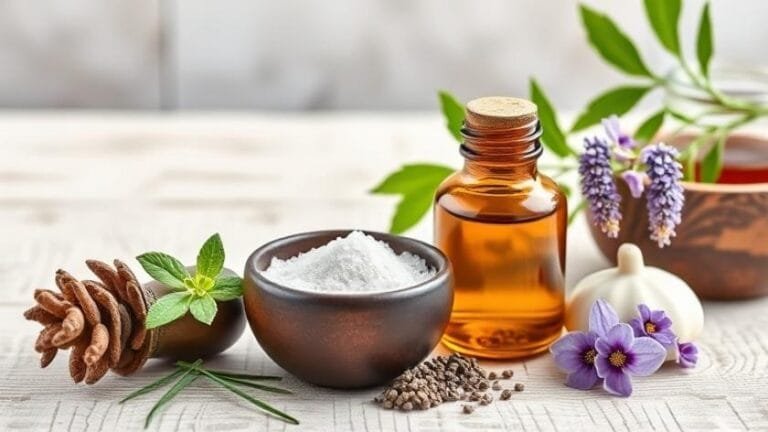
Natural Remedies for Cough Relief
When a persistent cough disrupts daily life, many turn to the pharmacy aisle for quick fixes. However, mounting evidence suggests that time‑tested, plant‑based and lifestyle‑focused strategies often provide gentler, equally effective relief without the side‑effects of synthetic drugs. Understanding how the body’s reflexes work and why certain natural agents soothe irritated airways lays the groundwork for lasting comfort.
Thank you for reading this post, don't forget to subscribe!By exploring a range of natural remedies for cough relief, readers can build a personalized toolkit that aligns with their health philosophy and the specific characteristics of their cough—whether it’s dry, barky, or mucus‑laden. The following guide delves into scientifically backed options, practical preparation steps, and safety considerations, empowering you to make informed choices.
Table of Contents
- Understanding Cough: Causes and Types
- Herbal Options for Relief
- Honey, Warm Liquids, and Simple Kitchen Remedies
- Essential Oils & Aromatherapy
- Dietary Adjustments & Lifestyle
- Homeopathic Considerations
- Comparison of Key Natural Options
- Frequently Asked Questions
- Conclusion and Final Takeaways
Understanding Cough: Causes and Types
Coughing is a protective reflex that clears the respiratory tract of irritants, mucus, and pathogens. Acute coughs usually stem from viral infections, allergies, or environmental pollutants, while chronic coughs—lasting over eight weeks—may indicate asthma, gastroesophageal reflux disease (GERD), or post‑nasal drip. Distinguishing between a dry, non‑productive cough and a wet, expectorative one is essential because the therapeutic approach differs: dry coughs often benefit from soothing agents that coat the throat, whereas wet coughs may require expectorants that loosen mucus.
Age, underlying health conditions, and medication use also shape cough characteristics. For instance, ACE inhibitors prescribed for hypertension frequently cause a dry, ticklish cough. Recognizing these nuances helps in selecting the most appropriate natural remedies for cough relief while avoiding measures that could exacerbate the underlying cause.
Herbal Options for Relief
Herbal medicine offers a rich palette of plants whose active compounds target inflammation, irritation, and mucus production. Below are some of the most studied botanicals:
- Licorice Root (Glycyrrhiza glabra): Contains glycyrrhizin, which exhibits anti‑inflammatory and demulcent properties. A mild tea made from ½ teaspoon of dried root, steeped for 10 minutes, can soothe a raw throat without elevating blood pressure—provided it’s used in moderation.
- Marshmallow (Althaea officinalis): The mucilage in marshmallow leaves forms a protective film over mucous membranes, reducing cough frequency. Infuse 1‑2 teaspoons of dried leaf in hot water and sip slowly.
- Thyme (Thymus vulgaris): Its essential oil, rich in thymol, possesses antiseptic and expectorant qualities. A thyme‑infused steam inhalation (2‑3 drops of essential oil in a bowl of hot water) helps loosen secretions.
- Elderflower (Sambucus nigra): Traditionally used for respiratory infections, elderflower decoctions may shorten the duration of a cough by supporting immune function.
When preparing herbal teas or tinctures, use filtered water and avoid boiling the herbs for extended periods, as excessive heat can degrade heat‑sensitive constituents. For a comprehensive overview of herbal blends, explore our detailed herb guide later in this article.
Honey, Warm Liquids, and Simple Kitchen Remedies
Kitchen staples often double as effective cough modifiers. Honey, especially raw or manuka varieties, contains hydrogen peroxide and flavonoids that calm irritation and possess mild antimicrobial activity. The classic 1‑to‑2‑teaspoon dose mixed with warm water, lemon juice, or ginger makes for a soothing syrup that can be taken every 2‑3 hours.
Ginger root, when grated and simmered with water for 15 minutes, produces a warming broth that eases throat tightness and may act as a natural bronchodilator. Adding a pinch of cayenne pepper can further stimulate mucociliary clearance, provided the consumer tolerates spice. Likewise, warm oat milk seasoned with cinnamon offers a comforting bedtime beverage that mitigates nighttime coughing episodes.
These preparations are safe for most adults and children over one year old; however, infants under one year should avoid honey due to the risk of botulism.
Essential Oils & Aromatherapy
Inhalation therapy leverages volatile compounds to reach the respiratory epithelium directly. Two essential oils stand out for cough management:
- Eucalyptus (Eucalyptus globulus): Rich in 1,8‑cineole, it acts as a decongestant and expectorant. Add 3 drops to a diffuser or a bowl of hot water for steam inhalation.
- Peppermint (Mentha × piperita): Menthol provides a cooling sensation that reduces the cough reflex sensitivity. Dilute 2 drops in a carrier oil and apply to the chest, or use a vaporizer.
Safety is paramount: essential oils must be diluted (typically 1%–2% in a carrier oil) before skin application, and children under six should avoid direct inhalation of strong oils. For a balanced aromatherapy routine, consider rotating oils every few days to prevent sensory fatigue.
Dietary Adjustments & Lifestyle
Diet can either aggravate or alleviate cough symptoms. Acidic foods, caffeine, and alcohol may increase reflux, worsening a dry cough linked to GERD. Conversely, incorporating anti‑inflammatory foods such as fatty fish (rich in omega‑3s), leafy greens, and turmeric can reduce airway inflammation.
Hydration remains a cornerstone of cough management. Warm, clear broths keep the mucosal lining moist, facilitating mucus clearance. Additionally, maintaining indoor humidity around 40%–60% with a humidifier can prevent airway dryness, especially during winter months.
Regular, moderate aerobic exercise—like brisk walking or cycling—enhances lung capacity and promotes efficient mucus transport. However, intense workouts that trigger heavy breathing should be avoided during acute cough episodes to prevent irritation.
Homeopathic Considerations
For those who prefer a homeopathic framework, several low‑potency remedies are traditionally employed to address specific cough patterns. Homeopathic cough remedies such as Drosera (for dry, barking coughs) and Spongia tosta (for rattling, mucus‑laden coughs) are selected based on the principle of “like cures like.”
While scientific consensus on homeopathy remains contentious, many patients report subjective relief, especially when the chosen remedy matches the cough’s characteristic triggers—cold air, lying down, or exposure to dust. If you decide to explore this avenue, consult a qualified practitioner to ensure appropriate dilution and remedy selection.
Integrating Homeopathic cough remedies with other natural strategies can create a comprehensive, multimodal approach, but it should not replace conventional medical evaluation for persistent or severe coughs.
Comparison of Key Natural Options
| Remedy Type | Primary Action | Best Suited For | Typical Dosage/Use | Safety Notes |
|---|---|---|---|---|
| Licorice Root Tea | Demulcent & anti‑inflammatory | Dry, ticklish cough | ½ tsp dried root, 10 min steep, 2–3 × daily | Avoid excessive use in hypertensive patients |
| Honey‑Lemon Drink | Soothing, mild antimicrobial | Night‑time cough, sore throat | 1–2 tsp honey + warm water, PRN | Not for children < 1 yr |
| Eucalyptus Steam | Expectorant, decongestant | Wet cough with congestion | 3 drops in hot water, inhale 5 min, 2 × daily | Do not use undiluted on skin |
| Marshmallow Herb Infusion | Demulcent coating | Persistent dry cough | 1–2 tsp dried herb, 10 min steep, 2–3 × daily | Generally safe; monitor for allergies |
| Drosera (Homeopathic) | Symptom‑based stimulation | Dry barky cough aggravated by cold air | 30 C potency, 3 pellets, 3 × daily | Consult practitioner; not a substitute for medical care |
For a deeper dive into each option’s evidence base, read the full research synthesis later in this guide.

Frequently Asked Questions
- Can I combine several natural remedies at once? Yes, as long as they don’t duplicate active ingredients.
- How long should I try a natural remedy before seeing results? Most show improvement within 3‑5 days.
- Are there any interactions with prescription cough syrups? Some herbs (e.g., licorice) can affect blood pressure; consult your physician.
- Is honey safe for adults with diabetes? Use sparingly; consider sugar‑free alternatives.
- Do essential oils work for children? Only in very low dilutions and under adult supervision.

Conclusion and Final Takeaways
Employing natural remedies for cough relief empowers individuals to address the root causes of irritation while minimizing reliance on over‑the‑counter medications that may carry unwanted side effects. By assessing cough type, integrating herb‑based teas, honey‑enhanced drinks, targeted aromatherapy, and mindful dietary habits, most acute and mild chronic coughs can be managed effectively.
Remember that natural strategies complement—not replace—professional medical assessment, especially when symptoms persist beyond two weeks, are accompanied by fever, weight loss, or blood‑tinged sputum. For those interested in a holistic approach, pairing evidence‑based botanicals with carefully selected Homeopathic cough remedies may add an extra layer of personalized care.
Explore further resources, stay attentive to your body’s signals, and consider sharing your successful combinations with a trusted health community. Your journey toward clearer breathing starts with informed, thoughtful choices.
For additional reading, you can search Google for Natural Remedies for Cough Relief or search Bing for Natural Remedies for Cough Relief.