Alpine Travel Destinations to Explore
Exploring the rugged charm of high‑altitude landscapes offers a blend of adventure, culture, and serenity that few other experiences can match. For travelers seeking a mix of pristine nature, historic villages, and world‑class outdoor recreation, the mountains of Europe present an unrivaled playground. Whether you’re tracing ancient pilgrimage routes or carving fresh tracks in powder‑filled valleys, the allure of lofty horizons is timeless. The Alpine travel destinations provide a canvas for both daring exploits and quiet contemplation.
Thank you for reading this post, don't forget to subscribe!Beyond the postcard scenery, these regions support sustainable tourism and preserve centuries‑old traditions, making each visit a meaningful exchange between visitor and host. From the soaring peaks that dominate the skyline to the tranquil alpine lakes that mirror them, the experience is as diverse as the terrain itself. Understanding how to navigate these spaces responsibly ensures that future generations can also enjoy the wonder of the Alpine travel destinations.
Table of Contents
- Why the Alps Captivate Travelers
- Top Alpine Regions to Visit
- Seasonal Highlights
- Practical Planning Tips
- Comparison of Popular Alpine Spots
- Frequently Asked Questions
- Conclusion and Final Takeaways
Why the Alps Captivate Travelers
The Swiss Mountains have long stood as a symbol of natural grandeur, drawing artists, poets, and explorers alike. Their dramatic relief creates microclimates that support a striking variety of flora and fauna, from alpine roses to ibex. This biodiversity, combined with centuries‑old mountain passes that once facilitated trade, grants the region a depth of character that modern resorts alone cannot replicate.
Equally compelling is the cultural mosaic woven through the valleys. Languages shift from German to French to Italian within a few kilometres, and each community maintains its own culinary specialties, architectural styles, and festivals. Such richness gives visitors a sense of discovery at every turn, encouraging longer stays and deeper engagement.
Top Alpine Regions to Visit
When mapping out a journey through the high country, several corridors stand out for their blend of accessibility and authenticity. The western fringe offers dramatic cliffs and glacier‑carved valleys, ideal for seasoned mountaineers. Central zones boast iconic lakes and historic towns, providing a gentle entry point for families. To the east, rugged ridgelines challenge even the most experienced alpinists.
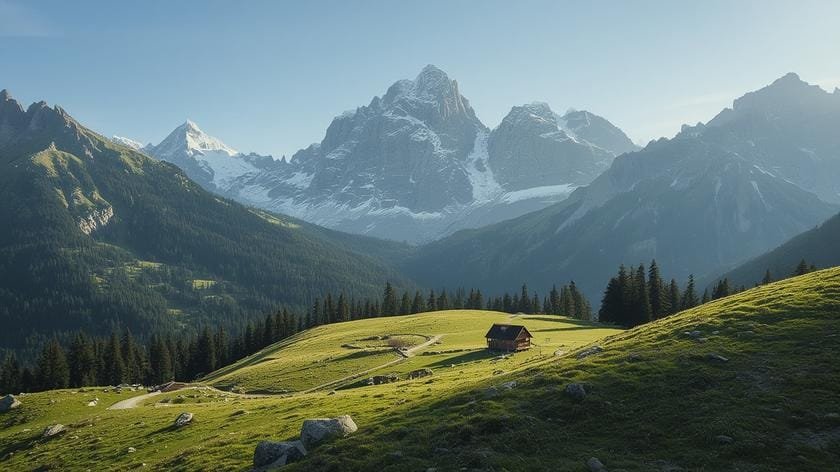
Among these, the Alpine travel destinations of the Dolomites tempt with their jagged limestone silhouettes, while the Austrian Tyrol presents an emerald tapestry of meadows dotted with traditional chalets. Each area supports a network of well‑marked trails, mountain huts, and public transport that respects the environment while delivering convenience.
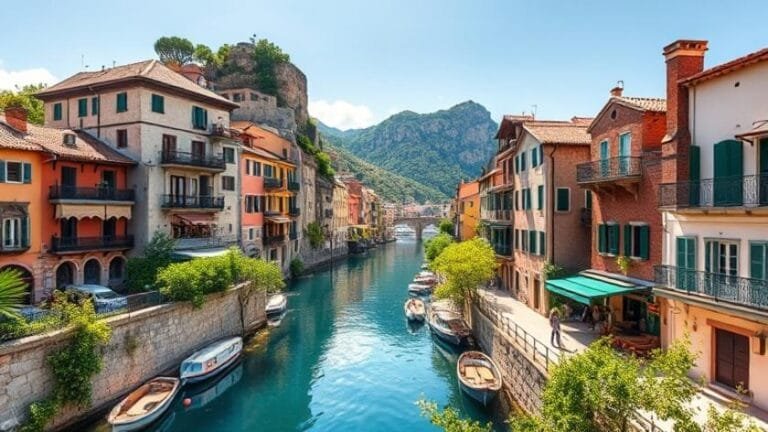
For those seeking a blend of culture and scenery, the border region between Italy and Switzerland offers quaint villages where wooden balconies overlook turquoise waters, and centuries‑old churches ring out bells at noon. This seamless integration of nature and heritage makes the region a favored choice for itineraries that value depth over breadth.
Read more about planning a multi‑region Alpine itinerary to see how these spots can be linked without excessive travel time.
Seasonal Highlights
Each season paints the mountains with a distinct palette, influencing the activities available. In winter, powder‑deep slopes attract skiers from around the globe, while frozen lakes become natural rinks for skaters. Spring awakens the alpine meadows, unveiling a carpet of wildflowers that hikers can follow along gentle paths.
Summer opens a window for climbing, mountain biking, and open‑air concerts that echo through corridors of stone. Autumn, often overlooked, brings a symphony of gold and crimson tones, perfect for photographers and those seeking solitude. Understanding these rhythms helps travelers select the month that aligns with their preferred pursuits while respecting local ecosystems.
The Swiss Mountains host a series of seasonal festivals—from cheese‑making celebrations in June to torchlit night hikes in September—providing authentic cultural immersion alongside outdoor adventure.
Practical Planning Tips
Success in high‑altitude travel hinges on preparation. Acclimatization is essential; schedule at least one rest day after ascending beyond 2,500 meters to mitigate altitude sickness. Pack layers of moisture‑wicking fabric, a windproof outer shell, and sturdy boots with ankle support.
Transportation networks across the Alps are renowned for punctuality and coverage. Regional rail passes often include mountain‑specific routes, allowing seamless travel between valleys without the stress of driving on narrow passes. For remote trailheads, consider reserving a spot at a mountain hut well in advance, especially during peak season.
Environmental responsibility is paramount. Stick to marked trails, carry out all litter, and follow local guidelines on wildlife interaction. Many communities now offer digital permits for certain protected areas, simplifying compliance and supporting conservation funding.
To deepen your research, explore this Google search for up‑to‑date travel advisories and user‑generated itineraries.
Comparison of Popular Alpine Spots
| Feature | Dolomites (Italy) | Tyrol (Austria) | Bernese Oberland (Switzerland) |
|---|---|---|---|
| Highest Peak | Mount Marmolada – 3,343 m | Großglockner – 3,798 m | Eiger – 3,967 m |
| Signature Activity | Via ferrata routes | Year‑round ski touring | Scenic train journeys |
| Typical Visitor Profile | Adventure photographers | Family winter holidays | Luxury travelers |
| Average Nightly Accommodation Cost (USD) | $120–$190 | $100–$170 | $150–$250 |
| Accessibility from Major Airport | 2‑hour drive from Venice | 1.5‑hour train from Innsbruck | 1‑hour train from Zurich |
This side‑by‑side view helps travelers weigh the trade‑offs between rugged adventure, family‑friendly facilities, and premium experiences. Whatever the priority, the Alpine travel destinations collectively cater to a spectrum of tastes.
Frequently Asked Questions
- When is the best time for hiking? Late June through early September offers stable weather and open trails.
- Do I need a special visa? Schengen rules apply; check the specific country’s entry requirements.
- Are mountain huts safe? Yes, most are staffed, have basic amenities, and require reservations.
- Can I use public transport for a full circuit? Absolutely; the Alpine rail network connects major valleys.
- What language will I hear most? It varies by region—German, French, Italian, and Romansh are common.
Conclusion and Final Takeaways
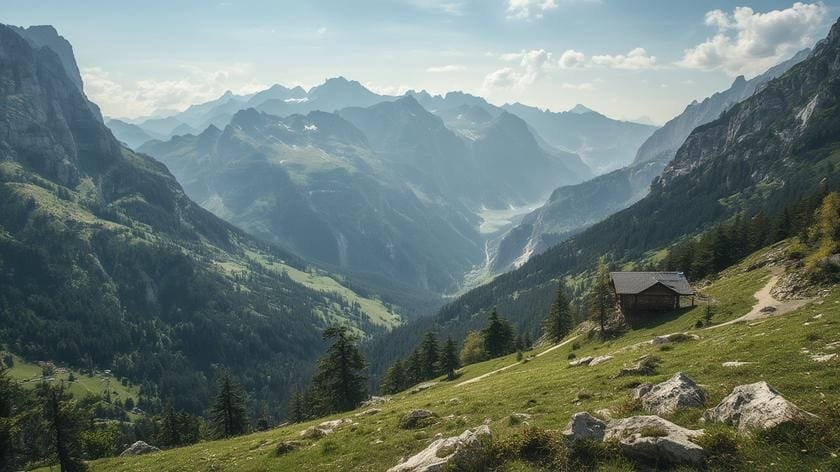
The allure of the high mountains rests not only in their breathtaking vistas but also in the stories they inspire and the connections they foster. By choosing routes that respect local cultures, planning for altitude and seasonality, and embracing sustainable practices, travelers can unlock the full potential of the Alpine travel destinations. Each summit reached, each valley crossed, adds a chapter to a personal narrative that resonates long after the journey ends.
For those ready to turn inspiration into action, the next step is simple: map your interests to a region, align your dates with the seasonal highlights, and begin assembling the gear and logistics that will turn a dream into a memorable expedition.
Explore further by reading more about responsible alpine tourism and let the mountains guide your next adventure.