African Home Cooking Recipes for Delicious Meals
Across the continent, meals are more than sustenance; they are a vibrant expression of culture, history, and community. Embracing the rich tapestry of flavors, textures, and aromas that define the continent’s kitchens can transform everyday cooking into a rewarding exploration of heritage. For anyone eager to dive into this culinary world, African home cooking recipes offer an accessible gateway that celebrates tradition while fitting modern schedules.
Thank you for reading this post, don't forget to subscribe!Whether you are a seasoned cook looking to expand your repertoire or a curious beginner seeking comfort food from a different continent, the diversity of regional dishes provides endless inspiration. By mastering core techniques and staple ingredients, home chefs can recreate authentic meals that honor their origins, and the journey begins with a handful of thoughtfully curated African home cooking recipes that balance flavor, nutrition, and ease.
Table of Contents
- Understanding African Home Cooking
- Essential Ingredients and Tools
- Classic Recipes to Try
- Regional Variations in West African cuisine
- Cooking Techniques and Tips
- Comparison of Popular Dishes
- FAQ
- Conclusion and Final Takeaways
Understanding African Home Cooking
The first step toward confidence in the kitchen is grasping the philosophical underpinnings of African culinary practices. Traditionally, meals are built around shared resources, seasonal produce, and a respect for the alchemy of fire and flavor. While each region offers its own palette, common threads run through the continent’s kitchens: a reliance on hearty grains, legumes, and spices that create depth without excess.
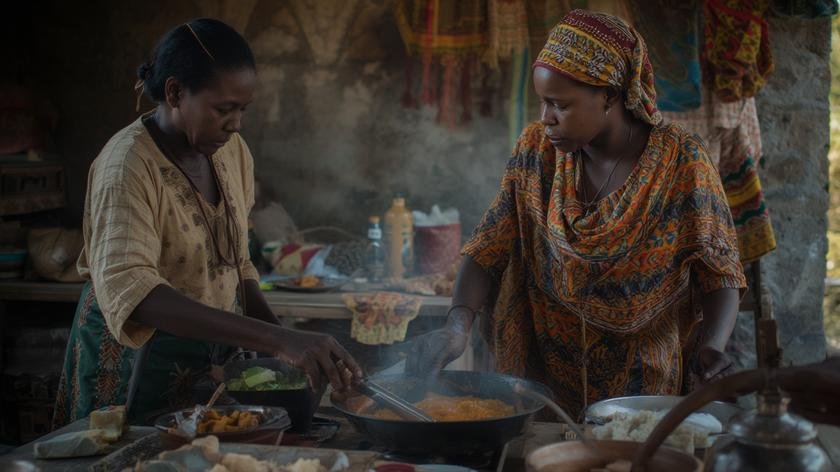
In many communities, the preparation of a dish is a communal activity, reinforcing social bonds and passing knowledge from one generation to the next. This collaborative spirit is reflected in the way ingredients are sourced—often from local markets, family gardens, or even roadside stalls—and how cooking spaces are organized for efficiency and shared participation. Understanding these cultural dimensions is essential for anyone wishing to adapt African home cooking recipes with authenticity.
Essential Ingredients and Tools
Before you begin, ensure your pantry reflects the staples that form the backbone of many dishes. Key grains include millet, sorghum, and rice; legumes such as black-eyed peas, lentils, and cowpeas provide protein and texture. A well‑stocked spice rack should feature cumin, coriander, smoked paprika, berbere, and the iconic piri‑piri blend for heat. Fresh aromatics—onions, garlic, ginger, and Scotch bonnet or habanero chilies—add layers of flavor that define the continent’s palate.
Equally important are the tools that enable traditional techniques. A sturdy cast‑iron pot or heavy‑bottomed Dutch oven mimics the earth‑clay vessels used in many households, preserving heat and allowing slow, even cooking. A wooden spoon, a mortar and pestle for grinding spices, and a sturdy cutting board round out the essentials. Investing in these items will make the transition to authentic cooking smoother and more rewarding.
For a deeper dive into ingredient selection, explore our comprehensive guide that outlines seasonal availability across major regions.
Classic Recipes to Try
Below are three cornerstone dishes that encapsulate the spirit of the continent and serve as perfect entry points for home cooks.
1. Jollof Rice
A one‑pot wonder celebrated across Central and West Africa, Jollof rice balances tomatoes, bell peppers, and a fragrant blend of spices. Begin by sautéing onions, garlic, and ginger in oil, then stir in pureed tomatoes, tomato paste, and your chosen spice mix. Add rinsed rice, broth, and a generous splash of oil to achieve that coveted caramelized crust on the bottom. Simmer until the rice is tender and the liquid absorbed, then finish with peas and carrots for color and nutrition.
2. Groundnut Soup (Peanut Stew)
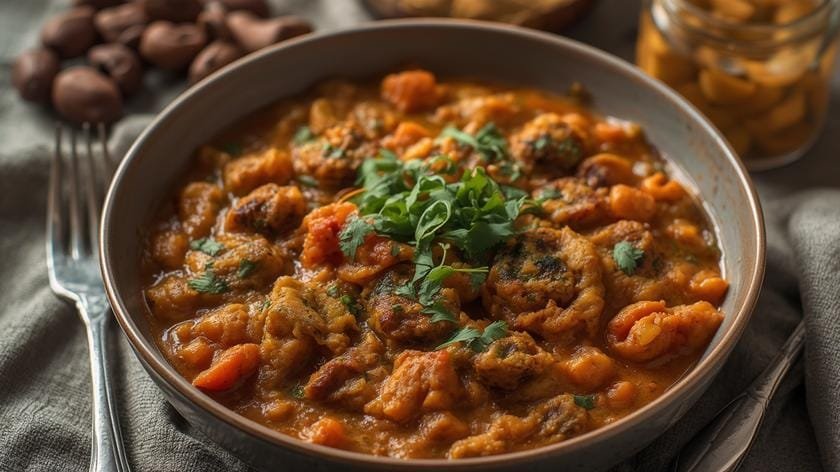
This velvety stew is a staple in many East and West African households. Roast peanuts lightly, then blend them into a smooth paste. In a pot, melt palm oil, sweat onions, and add diced sweet potatoes or yams. Stir in the peanut paste, tomato puree, and broth, allowing the flavors to meld over low heat. Finish with leafy greens such as spinach or bitterleaf, and season with salt and chili to taste.
3. Injera with Doro Wat
In Ethiopia, injera— a spongy sourdough flatbread made from teff flour—serves as both plate and utensil. Pair it with doro wat, a slow‑cooked chicken stew simmered in berbere, onions, and hard‑boiled eggs. The combination offers a harmonious balance of tang, heat, and protein, perfect for sharing around a communal table.
These dishes demonstrate the versatility of African home cooking recipes, inviting experimentation with local ingredients while preserving core flavor profiles.
Regional Variations in West African cuisine
West African cuisine showcases a dynamic interplay of coastal and inland influences. Along the Atlantic shoreline, seafood dominates, with dishes such as grilled tilapia seasoned with citrus and pepper. Inland, tubers like cassava and plantains become central, featured in staples like fufu—a doughy accompaniment for rich soups and stews.
Spice palettes also shift: Ghanaian cooks favor aromatic blends like suya spice, while Nigerian kitchens lean toward intense heat from habanero chilies and the deep umami of fermented locust bean (iru). Understanding these regional nuances helps home chefs tailor African home cooking recipes to reflect personal taste or the specific culinary heritage they wish to honor.
For additional insights on regional flavor profiles, consult the regional flavor guide that maps spice usage across the continent.
Cooking Techniques and Tips
Mastering a few foundational techniques elevates everyday meals into authentic experiences. Sautéing aromatics at the start of most dishes creates a flavor base; use medium heat to avoid burning, which can impart bitterness. Stewing allows tougher cuts of meat to become tender while infusing the broth with gelatin, resulting in a luxurious mouthfeel.
Another hallmark method is slow roasting in a covered pot, which mimics the earth‑oven style cooking of many African villages. This technique is essential for achieving the characteristic caramelization in dishes like Jollof rice. Finally, don’t overlook the power of fermentation—ingredients such as ogi (fermented millet) and gari (fermented cassava) add depth and probiotic benefits to meals.
To explore more practical tips, visit our cook’s toolkit page.
Comparison of Popular Dishes
| Dish | Primary Grain/Staple | Typical Protein | Key Flavor Profile | Cooking Time |
|---|---|---|---|---|
| Jollof Rice | Long‑grain rice | Chicken or shrimp | Tomato‑rich, mildly spicy | 45 minutes |
| Groundnut Soup | Cassava or yam | Beef or goat | Nutty, creamy, warm | 30 minutes |
| Injera with Doro Wat | Teff (injera) | Chicken | Sour, deeply spiced (berbere) | 1 hour |
| Egusi Soup | Melon seed paste | Fish or meat | Earthy, slightly bitter | 40 minutes |
This table highlights the diversity of flavor, staple, and preparation time across widely enjoyed meals. By comparing these variables, home cooks can select dishes that align with available ingredients, desired cooking effort, and personal palate preferences—making it easier to integrate African home cooking recipes into weekly meal planning.
FAQ
- Can I substitute chicken with tofu in Jollof? Yes, tofu absorbs the spice mix well.
- What grain works for fufu? Cassava, plantain, or yam are traditional choices.
- Is berbere always hot? It can be mild; adjust chili content to taste.
- How long can groundnut soup be stored? Up to four days refrigerated.
- Do I need a mortar and pestle? A blender works for most spice pastes.
Conclusion and Final Takeaways
Exploring the continent’s culinary landscape through thoughtfully curated African home cooking recipes opens a world of taste, tradition, and community. By grounding yourself in core ingredients, mastering essential techniques, and appreciating regional nuances—especially those found in West African cuisine—you can recreate authentic meals that honor their origins while fitting modern lifestyles.
Begin with the staple dishes outlined above, experiment with spice levels, and let the shared experience of cooking become a bridge to new cultures. For ongoing inspiration, keep exploring trusted sources, try the recommended tools, and remember that every successful plate is a step toward lasting culinary confidence.
Ready to expand your repertoire? Dive deeper into the flavors and stories that shape these dishes by consulting the resources linked throughout this guide, and enjoy the journey of cooking with purpose and pleasure.