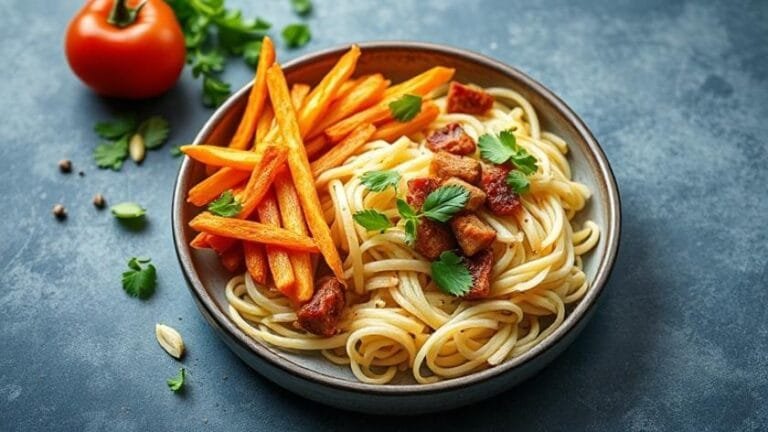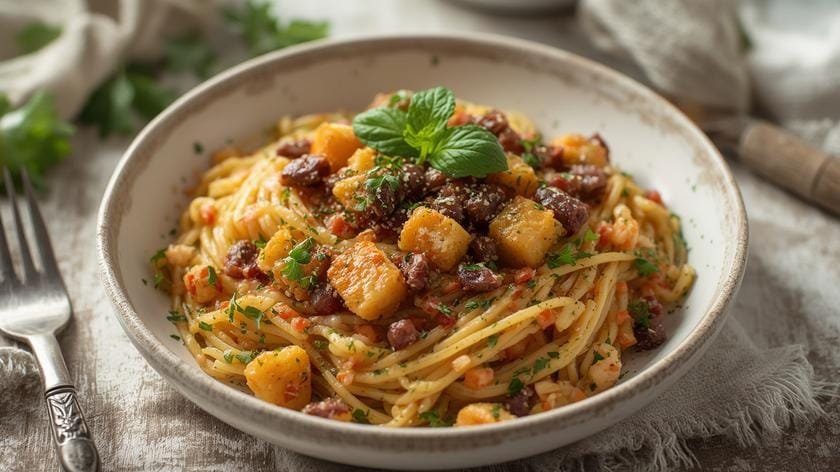
5 Ingredient Recipes for Busy Home Cooks
The modern home cook often faces a paradox: the desire for flavorful, nutritious meals clashes with the reality of limited time and countless pantry items. When the clock is ticking, simplifying the ingredient list can transform dinner from a stressful chore into an enjoyable ritual. By concentrating on 5 ingredient recipes, busy families can maintain variety without the overwhelm of endless grocery lists, while still delivering meals that satisfy both palate and nutrition goals.
Thank you for reading this post, don't forget to subscribe!Beyond the convenience factor, focusing on a concise set of components encourages smarter shopping, reduces food waste, and highlights the natural qualities of each element. This approach aligns perfectly with the growing demand for Quick Meals that don’t sacrifice taste or health. In the sections below, you’ll discover why a five‑ingredient framework works, how to stock a streamlined pantry, essential cooking techniques, and a curated collection of dishes that prove simplicity can be spectacular.
## Table of Contents
- Why 5 Ingredients Matter
- Minimalist Pantry Essentials
- Speed‑Focused Cooking Techniques
- 5 Ingredient Recipe Collection
- Decision Table: Choosing Your Next Dish
- Frequently Asked Questions
- Conclusion and Final Takeaways
A five‑ingredient framework strips away the noise and forces you to focus on flavor fundamentals: a protein, a vegetable, a starch or grain, a fat, and a seasoning or sauce. This limited palette encourages deeper understanding of how each component contributes to texture, aroma, and taste. The result is a dish where every bite feels intentional rather than haphazard.
Psychologically, a shorter list reduces decision fatigue. When you know exactly what you need, the mental energy spent on planning drops dramatically, freeing up space for creativity in plating, timing, or pairing. Studies in culinary psychology indicate that perceived simplicity increases enjoyment, especially after a long workday. Consequently, meals built on 5 ingredient recipes become a reliable tool for stress‑free dining.
## Minimalist Pantry Essentials
Creating a pantry that supports quick, low‑ingredient cooking begins with strategic staples. The goal is to have versatile items that can pair with a multitude of proteins and vegetables.
| Category | Recommended Items | Shelf Life | Typical Uses |
|—————|—————————————-|————|————–|
| Protein Base | Canned beans, lentils, canned tuna | 2–3 years | Salads, stews, stir‑fries |
| Grain Staple | Quick‑cook rice, couscous, quinoa | 1–2 years | Side dishes, base for bowls |
| Flavor Boost | Soy sauce, canned tomatoes, pesto | 1 year | Sauces, marinades |
| Fat Source | Olive oil, coconut oil, butter | Indefinite | Sautéing, finishing |
| Seasoning Set | Salt, pepper, dried herbs (oregano, thyme) | Indefinite | General seasoning |
By maintaining these core ingredients, you can assemble a complete meal with just a few fresh additions, such as a seasonal vegetable or a piece of chicken. For a deeper dive into pantry planning, explore the full guide that maps out weekly restocking schedules.
## Speed‑Focused Cooking Techniques
Even with a limited ingredient list, the method you employ can dramatically affect preparation time. Below are three techniques that maximize efficiency while preserving flavor.
1. **One‑Pan Roasting** – Toss protein, vegetables, and a drizzle of oil on a sheet pan; roast at high heat (425°F) for 20‑25 minutes. This method eliminates multiple pots and ensures even caramelization.
2. **Rapid Sauté** – Cut ingredients into uniform bite‑size pieces; heat a hot pan with a tablespoon of fat and stir continuously. The high surface area speeds up Maillard reactions, delivering deep flavor in under ten minutes.
3. **Pressure‑Cooked Softening** – Use a small electric pressure cooker to pre‑soften dense vegetables (e.g., carrots, sweet potatoes) in three minutes, cutting down final cooking time for soups or stews.
Integrating these methods into your routine reduces cleanup and keeps dinner on the table fast. For a practical example of technique application, see the step‑by‑step overview later in the recipe collection.
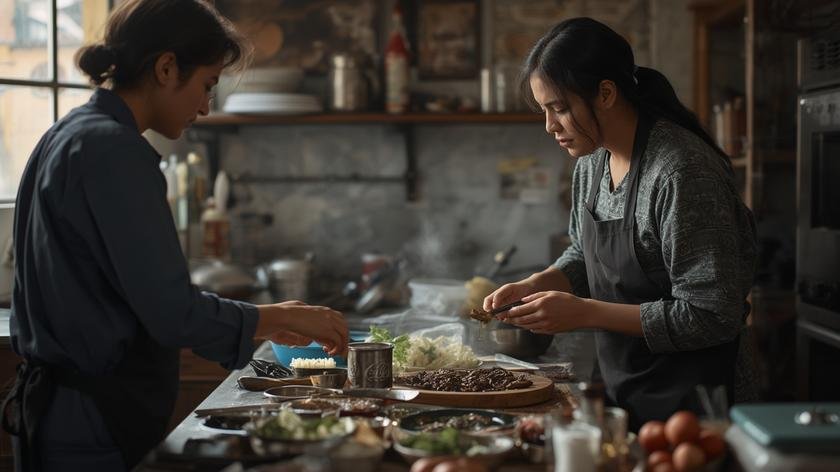
## 5 Ingredient Recipe Collection
Below is a curated selection of dishes that embody the philosophy of simplicity, each capable of serving a family of four. Feel free to swap vegetables or proteins based on seasonal availability.
### 1. Lemon‑Garlic Tilapia with Couscous
– **Ingredients**: Tilapia fillets, couscous, lemon juice, garlic, olive oil.
– **Method**: Cook couscous per package instructions. Meanwhile, whisk lemon, minced garlic, and olive oil; drizzle over tilapia and bake 12 minutes at 400°F. Serve over couscous.
### 2. Spicy Chickpea Stir‑Fry
– **Ingredients**: Canned chickpeas, frozen mixed vegetables, sriracha, soy sauce, coconut oil.
– **Method**: Heat coconut oil in a wok; add vegetables, stir‑fry 5 minutes. Add chickpeas, sriracha, and soy sauce; cook another 3 minutes.
### 3. Creamy Tomato Basil Pasta
– **Ingredients**: Penne pasta, canned diced tomatoes, fresh basil, heavy cream, butter.
– **Method**: Cook pasta al dente. Simultaneously melt butter, add tomatoes, simmer 5 minutes; stir in cream and torn basil. Toss with pasta.
### 4. Honey‑Glazed Pork Chops
– **Ingredients**: Pork chops, honey, Dijon mustard, rosemary, olive oil.
– **Method**: Mix honey, mustard, and chopped rosemary; brush onto chops. Sear in olive oil 4 minutes per side, then finish in oven 10 minutes.
### 5. Veggie‑Packed Quinoa Bowl
– **Ingredients**: Quinoa, roasted broccoli, feta cheese, olive oil, balsamic glaze.
– **Method**: Cook quinoa; toss roasted broccoli with olive oil and a pinch of salt. Assemble bowl with quinoa, broccoli, crumbled feta, and drizzle balsamic glaze.
Each recipe adheres to the 5 ingredient recipes rule while delivering distinct flavor profiles. They also qualify as Quick Meals, ready in 30 minutes or less.
## Decision Table: Choosing Your Next Dish
When selecting a recipe for a particular night, consider protein preference, cooking equipment, and desired prep time. The table below helps you match criteria to a suitable dish from the collection.
| Priority | Preferred Protein | Equipment Available | Prep & Cook Time | Suggested Recipe |
|---|---|---|---|---|
| Speed | Fish | Baking sheet | ≤ 25 min | Lemon‑Garlic Tilapia with Couscous |
| Vegetarian | Legumes | Wok or skillet | ≈ 20 min | Spicy Chickpea Stir‑Fry |
| Comfort | Chicken/Pork | Oven + skillet | ≈ 35 min | Honey‑Glazed Pork Chops |
| Meal‑Prep | Grains | Pot + baking tray | ≤ 30 min | Veggie‑Packed Quinoa Bowl |
Use this matrix to streamline decision‑making during hectic evenings, ensuring you never sacrifice quality for speed.
**Can I substitute fresh herbs for dried ones?**
Yes, use three times the amount of fresh herbs.
**Is it okay to double the recipe for leftovers?**
Absolutely; most dishes scale without texture loss.
**What if I have dietary restrictions?**
Swap proteins and grains to fit gluten‑free, dairy‑free, or vegan needs.
**Do these recipes stay tasty after reheating?**
Most retain flavor; reheat gently to avoid over‑cooking.
**How can I keep the pantry stocked without waste?**
Rotate staples every month and use inventory lists.
## Conclusion and Final Takeaways
Embracing a five‑ingredient structure transforms the cooking experience from a logistical hurdle into a creative outlet. By curating a minimalist pantry, mastering a few speed‑focused techniques, and leveraging the decision table, home cooks can reliably produce nourishing, flavorful dishes even on the busiest of nights. The collection presented here demonstrates that constraints can inspire variety, and that simplicity does not equate to blandness.
For readers seeking additional inspiration, a quick search for the article title yields a wealth of community‑tested variations: search results. Continue experimenting, and let the confidence gained from 5 ingredient recipes empower you to make dinner an enjoyable, stress‑free part of every day.