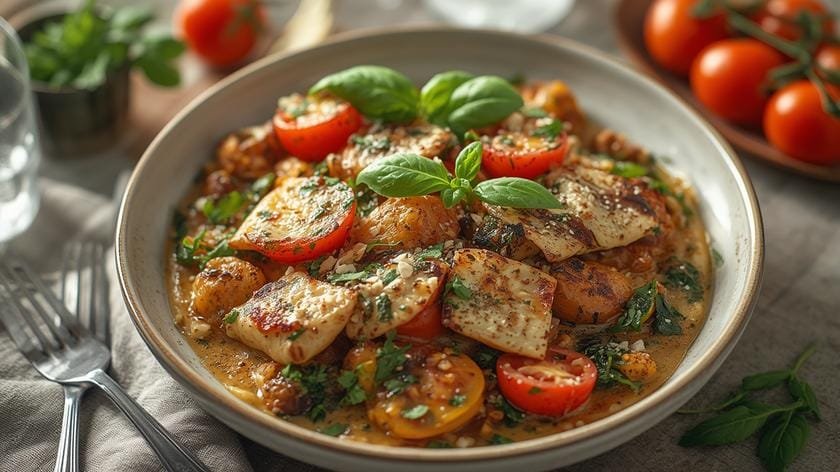
Healthy Mediterranean Diet Recipes for a Delicious and Nutritious Lifestyle
The allure of a diet that blends vibrant flavors, heart‑healthy fats, and a bounty of fresh produce is hard to resist. Embracing healthy Mediterranean diet recipes offers not only a culinary adventure but also a scientifically backed pathway to improved longevity, reduced inflammation, and balanced blood sugar. By focusing on whole grains, oily fish, legumes, nuts, and a generous drizzle of extra‑virgin olive oil, this eating pattern supports cardiovascular health while keeping meals satisfying and varied.
Thank you for reading this post, don't forget to subscribe!Beyond the health benefits, the Mediterranean way of eating celebrates communal dining and seasonal ingredients, making it a sustainable lifestyle choice. Whether you are a seasoned home chef or just beginning to explore new cuisines, integrating healthy Mediterranean diet recipes into your weekly menu can transform ordinary meals into nourishing experiences that the whole family will love.
Table of Contents
- Benefits of the Mediterranean Diet
- Key Ingredients and Pantry Staples
- Breakfast Ideas
- Lunch Options
- Dinner Recipes
- Snacks and Desserts
- Meal Planning Tips
- Recipe Comparison Table
- FAQ
- Conclusion and Final Takeaways
Benefits of the Mediterranean Diet
The Mediterranean diet has been consistently ranked among the world’s healthiest eating patterns. Large‑scale epidemiological studies link it to lower rates of heart disease, certain cancers, and neurodegenerative disorders. The emphasis on monounsaturated fats from olive oil and omega‑3 fatty acids from fatty fish helps lower LDL cholesterol while raising HDL levels, creating a protective cardiovascular profile.
Furthermore, the diet’s high fiber content—from legumes, whole grains, and vegetables—supports gut health, aids in weight management, and stabilizes blood glucose. The moderate consumption of red wine, rich in polyphenols, adds an antioxidant boost when enjoyed responsibly.
Key Ingredients and Pantry Staples
Building a Mediterranean kitchen starts with a well‑stocked pantry:
- Extra‑virgin olive oil – the cornerstone fat source.
- Whole grains such as farro, bulgur, whole‑wheat couscous, and quinoa.
- Legumes – chickpeas, lentils, and cannellini beans for protein and fiber.
- Fresh herbs – oregano, basil, thyme, and rosemary add depth without sodium.
- Seasonal vegetables – tomatoes, eggplant, zucchini, peppers, and leafy greens.
- Fruits – citrus, figs, grapes, and berries for natural sweetness.
- Seafood – sardines, mackerel, salmon, and shrimp provide omega‑3s.
- Nuts & seeds – almonds, walnuts, and sesame for crunch and healthy fats.
By keeping these items on hand, you can effortlessly craft dishes that stay true to the diet’s philosophy while allowing for creative twists.
Breakfast Ideas
Starting the day with a nutrient‑dense meal sets the tone for balanced eating. Below are three quick breakfast options that showcase Mediterranean staples.
1. Greek Yogurt Parfait with Honey and Walnuts
Layer plain Greek yogurt with a drizzle of honey, a handful of toasted walnuts, and fresh berries. This combo delivers protein, probiotics, and antioxidant‑rich fruit.
2. Whole‑Grain Toast with Avocado, Tomato, and Feta
Spread mashed avocado on toasted whole‑grain bread, top with sliced ripe tomatoes, crumbled feta, and a sprinkle of oregano. Finish with a splash of extra‑virgin olive oil and a pinch of sea salt.
3. Chickpea Flour Omelette with Spinach and Herbs
Whisk chickpea flour with water, add chopped spinach, minced garlic, and fresh dill. Cook like a traditional omelette for a plant‑based protein boost.
These breakfasts are not only quick to prepare but also keep you feeling satisfied until lunch.
Lunch Options
Midday meals should be light yet nourishing, combining lean proteins with fiber‑rich vegetables.
1. Mediterranean Quinoa Salad
Combine cooked quinoa with chopped cucumber, cherry tomatoes, Kalamata olives, red onion, and parsley. Toss with lemon juice, olive oil, and a dash of sumac for brightness.
2. Lentil Soup with Spinach and Lemon
Sauté onions, carrots, and celery; add brown lentils, vegetable broth, and bay leaves. Simmer until lentils are tender, stir in fresh spinach, and finish with a squeeze of lemon.
3. Grilled Sardine Wraps
Grill whole sardines with a splash of lemon, then place them in whole‑wheat flatbreads with arugula, sliced cucumber, and a tzatziki spread.
These lunches can be pre‑made and stored for up to three days, making them ideal for busy weeks.
Dinner Recipes
Evening meals are an opportunity to explore richer flavors while staying within the Mediterranean framework.
1. Baked Sea Bass with Tomatoes, Olives, and Capers
Lay sea bass fillets on a bed of sliced tomatoes, Kalamata olives, capers, and fresh herbs. Drizzle with olive oil, bake at 375°F (190°C) for 20 minutes, and serve with a side of roasted asparagus.
2. Eggplant Parmigiana (Light Version)
Slice eggplant thinly, brush with olive oil, and grill until tender. Layer the eggplant slices with a homemade tomato‑basil sauce, a modest amount of mozzarella, and sprinkle with Parmesan. Bake until the cheese bubbles.
3. Chickpea and Spinach Stew with Smoked Paprika
Sauté garlic and onion, add canned chickpeas, fresh spinach, smoked paprika, and vegetable broth. Simmer until flavors meld, then serve over whole‑grain couscous.
Each of these dishes aligns with the principles of healthy Mediterranean diet recipes while offering a satisfying end to the day.

Snacks and Desserts
When cravings strike, opt for nutrient‑dense snacks that complement the overall dietary pattern.
- Roasted Chickpeas – toss canned chickpeas in olive oil, sea salt, and smoked paprika, then roast until crispy.
- Olive & Cheese Plate – combine a handful of mixed olives with a few slices of aged cheese and whole‑grain crackers.
- Fruit and Nut Yogurt Bowl – mix Greek yogurt with sliced figs, a sprinkle of toasted almonds, and a drizzle of honey.
- Dark Chocolate‑Dipped Strawberries – dip fresh strawberries into 70% dark chocolate for a heart‑healthy treat.
For those with a sweet tooth, consider incorporating Greek food recipes such as honey‑yogurt parfaits or orange‑scented olive oil cake, which use natural sweeteners and wholesome fats.
Meal Planning Tips
Consistent success with the Mediterranean diet hinges on intentional planning. Here are five practical strategies:
- Batch‑cook staples – Prepare large portions of quinoa, lentils, and roasted vegetables on Sundays to use throughout the week.
- Use a color‑coded grocery list – Group items by category (greens, proteins, pantry) to streamline shopping trips.
- Prep portion‑size containers – Store pre‑measured servings of nuts, seeds, and dried fruit for quick snacks.
- Schedule “theme nights” – Alternate between fish‑focused meals, vegetarian plates, and occasional lean poultry dishes.
- Leverage seasonal produce guides for inspiration – Align recipes with what’s freshest to maximize flavor and nutrition.
By integrating these habits, you reduce decision fatigue and keep your diet both enjoyable and sustainable.
Recipe Comparison Table
| Recipe | Primary Protein | Prep Time | Cooking Time | Key Health Benefits |
|---|---|---|---|---|
| Greek Yogurt Parfait | Greek Yogurt | 5 min | 0 min | Probiotic‑rich, calcium, antioxidants |
| Mediterranean Quinoa Salad | Quinoa (plant‑based) | 10 min | 0 min | Complete protein, fiber, omega‑3s from olive oil |
| Baked Sea Bass | Sea Bass | 15 min | 20 min | Omega‑3 fatty acids, lean protein, vitamin D |
| Eggplant Parmigiana (Light) | Eggplant (vegetarian) | 20 min | 30 min | Low‑fat, antioxidants (nasunin), calcium from cheese |
| Chickpea & Spinach Stew | Chickpeas | 10 min | 25 min | Fiber, iron, plant protein, anti‑inflammatory compounds |
FAQ
- What defines a Mediterranean‑style breakfast? Light, protein‑rich foods with whole grains, fruit, and healthy fats.
- Can I use other oils besides olive oil? Olive oil is preferred, but avocado oil is an acceptable occasional substitute.
- Is red wine mandatory? No, it’s optional and should be limited to one glass per day for those who drink.
- How often should I eat fish? Aim for two servings of fatty fish per week.
- Are legumes a protein source? Yes, they provide plant‑based protein and fiber.
- Can I adapt the diet for vegetarian needs? Absolutely; focus on legumes, nuts, dairy, and eggs.
Conclusion and Final Takeaways
The Mediterranean diet’s strength lies in its simplicity, flavor, and evidence‑backed health advantages. By incorporating the healthy Mediterranean diet recipes outlined above—ranging from energizing breakfasts to satisfying dinners—you can build a culinary routine that nurtures heart health, supports weight management, and honors cultural traditions.
Start today by selecting a few recipes that appeal to your palate, stock your pantry with the essential ingredients, and apply the meal‑planning strategies to stay consistent. Over time, these small, intentional choices will compound into lasting wellness benefits.
For readers seeking further inspiration, explore additional resources such as seasonal produce guides or browse the search results for deeper insights into this vibrant way of eating.