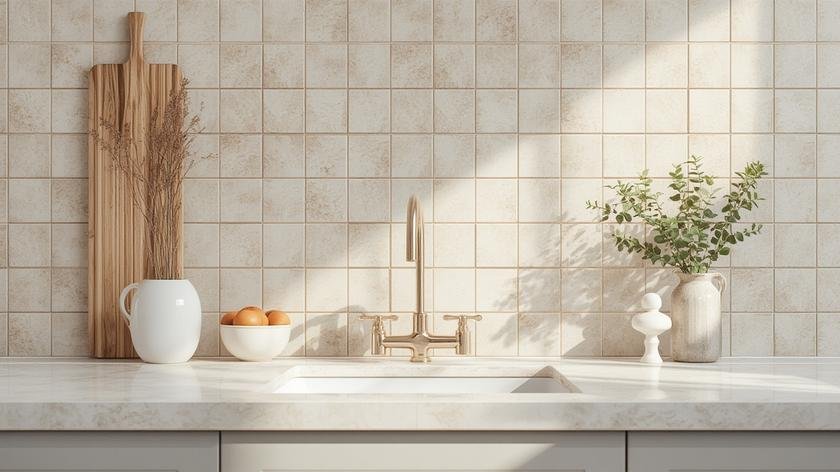
Best Way to Clean Kitchen Tiles
Keeping a kitchen looking fresh starts with the floors, and tiles are the most common surface in many homes. Over time, everyday cooking splatters, foot traffic, and lingering moisture can dull the shine and invite stubborn stains. Understanding the best way to clean kitchen tiles means choosing techniques that protect the material while delivering a sparkling finish.
Thank you for reading this post, don't forget to subscribe!In this guide we explore evidence‑based strategies, from quick daily touch‑ups to deep‑cleaning protocols that respect grout integrity. By mastering the recommended approaches, homeowners can maintain hygienic surfaces, extend tile lifespan, and avoid costly repairs.
Table of Contents
- Understanding Tile Materials
- Daily Maintenance Routine
- Deep Cleaning Techniques
- Homeded Cleaning Solutions
- Commercial Cleaning Products
- Preventive Care and Stain Management
- Method Comparison Table
- Frequently Asked Questions
- Conclusion and Final Takeaways
Understanding Tile Materials
Kitchen tiles come in several families, each with distinct porosity, hardness, and chemical resistance. Ceramic tiles, for example, are fired clay coated with a glazed surface that resists stains but can chip if abrasive tools are used. Porcelain tiles are denser, offering superior moisture resistance, yet their polished finishes can become dull when harsh scrubbers are applied. Natural stone options such as travertine, marble, or slate bring unique aesthetics but demand pH‑neutral cleaners to avoid etching.
Knowing the substrate informs the choice of cleaning agents. A grout type—whether sanded, unsanded, epoxy, or urethane—also dictates how aggressive a method can be. Misidentifying the tile composition often leads to discoloration or surface damage, undermining long‑term durability. By first identifying whether you’re dealing with a glazed ceramic, a polished porcelain, or a natural stone, you lay the groundwork for the best way to clean kitchen tiles without compromising the material.
Daily Maintenance Routine
A consistent, low‑effort routine dramatically reduces the need for intensive cleaning later. Begin each day by sweeping or vacuuming with a soft brush attachment to remove loose crumbs and dust. Follow with a damp mop using warm water; for glazed surfaces, a few drops of mild dish soap are sufficient. Avoid excessive water on unglazed stone, as it can seep into pores and cause staining.
Spot‑treat spills immediately. Oil, vinegar, and acidic sauces are particularly aggressive on grout. A quick blot with a paper towel, followed by a light spritz of a neutral pH cleaner, prevents seepage. Incorporating a quick‑wipe checklist into your kitchen routine helps maintain visual appeal while preserving grout health.
Deep Cleaning Techniques
When daily maintenance no longer restores brilliance, a deeper approach is required. Start by loosening grime with a steam cleaner set to 212°F (100°C). Steam penetrates grout without chemical residue, killing bacteria and lifting stubborn residue. For tiles that tolerate moisture, allow the steam to sit for 30 seconds before wiping with a microfiber cloth.
If steam is unavailable, mix a solution of one part white vinegar to three parts warm water for glazed ceramics and porcelain. Apply with a spray bottle, let it work for five minutes, then scrub using a non‑abrasive nylon brush, targeting grout lines. Rinse thoroughly with clean water to avoid lingering acidity. This systematic process aligns with the best way to clean kitchen tiles for most glazed surfaces.
Homemade Cleaning Solutions
Many homeowners prefer DIY formulas for their cost‑effectiveness and environmental profile. A classic blend of baking soda and water creates a gentle abrasive paste that lifts stains without scratching glazed finishes. Apply the paste to a grout line, let it fizz for a few minutes, then scrub lightly.
For tougher residues on natural stone, a mixture of liquid Castile soap and warm water provides a mild, pH‑balanced cleanser. Add a few drops of essential oil for fragrance, if desired. This approach embodies kitchen tile cleaning methods that respect the delicate nature of stone while delivering a clean surface.
Commercial Cleaning Products
When time is limited, select products formulated specifically for tile and grout. Look for labels indicating “pH‑neutral” or “safe for stone” to avoid etching. Enzyme‑based cleaners break down organic stains such as grease and food particles, making them ideal for high‑traffic kitchens.
Some advanced formulations contain polymer‑based sealants that leave a protective film on the tile surface, reducing future adhesion of dirt. Always test a small, inconspicuous area first to confirm compatibility. These specialized kitchen tile cleaning methods can accelerate results while maintaining material integrity.
Preventive Care and Stain Management
Beyond cleaning, prevention plays a pivotal role in long‑term tile health. Apply a high‑quality, breathable sealant to grout annually; this creates a barrier against oil and moisture while allowing vapor diffusion. For stone tiles, a stone‑specific impregnating sealer offers protection without altering the natural appearance.
Use floor mats or runners in high‑traffic zones and behind appliances to catch spills before they reach the tile. Adopt a “no‑shoes” policy in the kitchen to reduce grit abrasion. These habits, combined with periodic resealing, ensure the best way to clean kitchen tiles remains effective year after year.

Method Comparison Table
| Method | Suitable Tile Types | Time Required | Cost | Effectiveness |
|---|---|---|---|---|
| Steam Cleaning | Glazed Ceramic, Porcelain | 15 min | Medium (equipment purchase) | High – deep grout penetration |
| Vinegar‑Water Solution | Glazed Ceramic, Porcelain | 10 min | Low | Medium – may affect stone |
| Baking‑Soda Paste | All tile types (non‑abrasive) | 20 min | Low | Medium – good for light stains |
| Commercial Enzyme Cleaner | All tile types (check label) | 5 min | Medium‑High | High – rapid stain breakdown |
| Sealant Application | Grout (all), Stone tiles | 30 min + curing | Medium‑High | Prevention – extends life |
Frequently Asked Questions
- Can I use bleach on grout? Only on sealed, non‑porous grout; it may discolor natural stone.
- How often should I reseal grout? Every 12‑18 months for high‑traffic kitchens.
- Is a steam mop safe for marble? No, steam can cause etching on marble surfaces.
- Will vinegar damage porcelain? Rarely; use a diluted solution and rinse promptly.
- What’s the quickest way to remove a dried sauce stain? Soak with warm water, then scrub with a mild detergent.
- Do anti‑slip additives affect cleaning? They can trap grime; spot‑clean with a soft brush.
Conclusion and Final Takeaways
Achieving the best way to clean kitchen tiles hinges on matching the cleaning method to the tile’s composition, the severity of the grime, and the frequency of maintenance. Daily sweeps combined with prompt spot‑treatment keep surfaces bright, while periodic deep‑cleaning—whether via steam, a vinegar blend, or a specialized commercial product—restores the original luster. Complement these actions with preventive sealing and smart kitchen habits to safeguard grout and prolong tile life.
For further reading, explore the complete guide on tile preservation or run a quick Google search to discover additional resources and community tips.