City Mystery Stories That Will Leave You Baffled
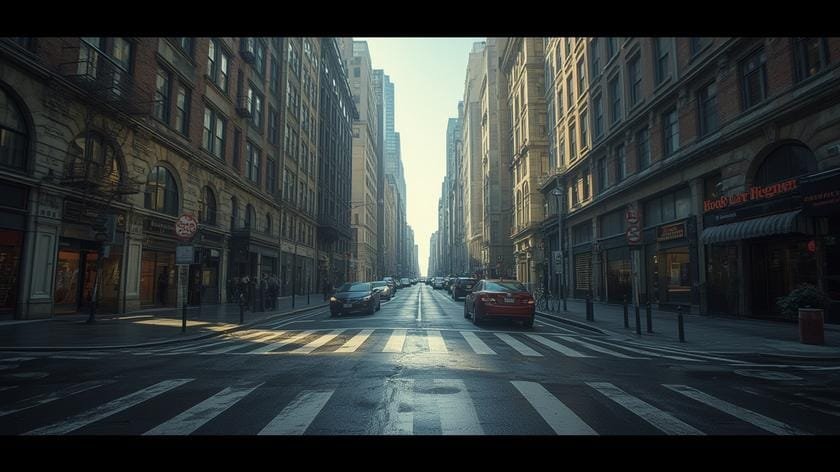
Strolling down a rain‑slick boulevard, the flicker of neon signs can feel like a silent invitation to uncover secrets lurking behind every alley. That palpable sense of intrigue is the engine that drives city mystery stories, where the urban landscape itself becomes both a maze and a clue‑giver, compelling readers to piece together fragmented truths.
Thank you for reading this post, don't forget to subscribe!From the fog‑filled docks of early 20th‑century ports to the pulsating digital districts of today’s megacities, these narratives thrive on the tension between the familiar and the unknown. As the genre evolves, city mystery stories continue to fascinate, offering fresh twists that keep even seasoned sleuths guessing.
Table of Contents
- Classic City Mystery Stories
- Modern Urban Whodunits
- Psychology Behind the Thrill
- Key Elements of a Compelling City Mystery
- Comparison Table
- FAQ
- Conclusion and Final Takeaways
Classic City Mystery Stories
The roots of the genre can be traced to the gritty detective novels of the 1920s and 1930s, where smoky jazz clubs and fog‑shrouded streets set the tone for the first great urban investigations. Authors such as Dashiell Hammett and Raymond Chandler pioneered a template that blended hard‑boiled protagonists with labyrinthine cityscapes, making the environment an active conspirator. In these early works, the city is less a backdrop and more a relentless pressure cooker, shaping motives and masking alibis.
One hallmark of classic tales is the use of “the city as a character.” The relentless rain on a downtown avenue, the echoing footfalls in a deserted subway station, and the whispered gossip from aging newspapers all serve to tighten the narrative coil. Readers learn to read the city’s signs—an unopened door, a missing streetlight—as vital evidence. This approach laid the groundwork for later iterations, ensuring that any modern reinterpretation must honor the city’s role in driving suspense.
Modern Urban Whodunits
The contemporary landscape pushes the genre into high‑tech territory, integrating surveillance cameras, data mining, and social media footprints into the investigative toolkit. While the core premise—solving a crime amidst an urban sprawl—remains unchanged, modern authors amplify the stakes by weaving digital anonymity and hyper‑connected networks into the plot. This shift has birthed the term urban whodunits, a subgenre that couples traditional sleuthing with the bewildering complexity of modern city life.
In recent best‑sellers, a protagonist might track a suspect through a cascade of biometric logs, decode encrypted messages hidden in city Wi‑Fi hotspots, or decipher the subconscious narratives embedded in billboard art. The city’s architecture transforms into a data‑rich terrain: skyscrapers double as signal towers, underground tunnels serve as clandestine data pipelines, and public transit maps become cryptic ciphers. These stories compel readers to consider how technology reshapes both the hiding places for villains and the tools available to heroes.
read more about narrative pacing in modern settings, and you’ll see how the tempo accelerates alongside the city’s pulse, delivering a relentless chase that mirrors the instantaneous flow of information in today’s metropolises.
Psychology Behind the Thrill
Why do city‑centric mysteries capture our imagination more potently than rural tales? Psychologists suggest that dense urban environments trigger a heightened sense of vulnerability—crowded streets and concealed corners amplify our innate fear of the unknown. When a story places danger within a familiar, everyday setting, it taps into a primal anxiety while also offering a satisfying resolution.
Moreover, the city’s constant flux provides endless variables for the mind to juggle. Readers engage in a mental simulation, predicting outcomes based on subtle cues like traffic patterns or the timing of streetlights. This cognitive workout releases dopamine, rewarding the brain with a sense of mastery once the mystery unravels. In essence, the urban zone acts as a mental sandbox, allowing readers to experiment with deductive reasoning in a safe, fictional space.
explore character archetypes that thrive in this milieu, from the jaded detective who knows every back‑alley shortcut to the tech‑savvy analyst decoding city‑wide data streams, and you’ll appreciate how these roles embody the psychological tug‑of‑war between order and chaos.
Key Elements of a Compelling City Mystery
| Element | Classic Approach | Modern Twist | Impact on Reader |
|———|——————|————–|——————|
| Setting | Foggy alleys, dimly lit offices | Smart‑city sensors, QR‑coded graffiti | Enhances immersion by making the environment an active participant |
| Protagonist | Hard‑boiled gumshoe | Data‑analyst detective | Broadens appeal across generations |
| Plot Structure | Linear chase with red herrings | Non‑linear, multi‑threaded narratives | Keeps suspense fresh and unpredictable |
| Clues | Physical objects (letters, footprints) | Digital footprints (IP logs, metadata) | Reflects evolving investigative methods |
| Resolution | Confrontation in a city landmark | Public reveal through viral video | Satisfies desire for both justice and spectacle |
These components work together to create a layered experience where the city’s pulse mirrors the narrative’s rhythm. By calibrating each element, authors ensure that the mystery feels both grounded in reality and heightened by imagination.
understand setting as a character and you’ll see that, whether it’s a cracked sidewalk or a sprawling data hub, the urban environment never merely observes—it actively shapes the story’s outcome.
Comparison or Evaluation Table
| Aspect | Classic city mystery stories | Contemporary urban whodunits | Reader Preference |
|---|---|---|---|
| Atmosphere | Moody, noir‑tinted streets | Neon‑lit, tech‑saturated avenues | Varies by nostalgia vs. modern intrigue |
| Investigation Tools | Physical evidence, intuition | Surveillance, data analytics | Blend of tactile and digital appeals |
| Pacing | Steady, methodical | Fast‑paced, multi‑track | Hybrid pacing keeps engagement high |
| Character Depth | Archetypal, morally ambiguous | Complex, tech‑savvy backgrounds | Depth enhances empathy across eras |
| Resolution Style | Climactic showdown | Public reveal via media | Both satisfy closure needs |
FAQ
- What defines a city mystery story? A narrative where the urban setting drives plot and clues.
- Are urban whodunits only modern? They blend classic tropes with contemporary tech.
- Do I need prior knowledge of a city? No, effective stories make the locale accessible.
- How important is atmosphere? It shapes tension and guides the reader’s senses.
- Can I write my own? Yes, focus on setting, character, and layered clues.
Conclusion and Final Takeaways
City‑centric mysteries endure because they tap into our love of puzzle‑solving while confronting us with the familiar chaos of urban life. Whether you gravitate toward the smoky back‑streets of early noir or the illuminated data highways of modern tech, the allure lies in the city’s ability to conceal and reveal in equal measure. By mastering the balance of atmosphere, character, and evolving investigative tools, creators can craft city mystery stories that linger long after the final page turns.
If you’re ready to dive deeper into the genre’s evolution, consider exploring additional resources such as this Google search. Continued curiosity and thoughtful analysis will ensure you stay at the forefront of both classic and cutting‑edge narratives.