Fast Homemade Meals for Busy Lives
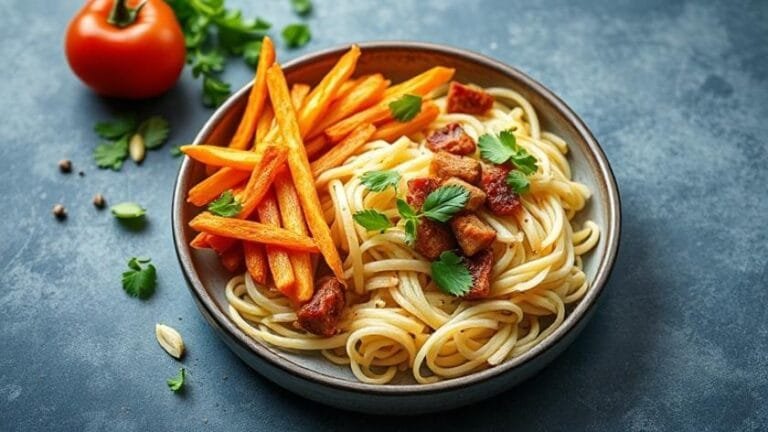
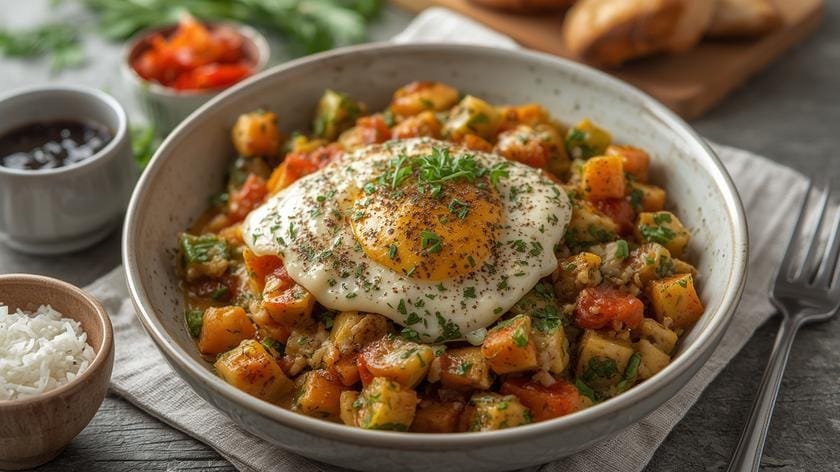
Fast homemade meals have become essential for anyone juggling a demanding schedule with the desire to eat well. When the kitchen feels like a race track, the challenge is not just cooking quickly, but doing so without compromising flavor, nutrition, or the joy of a home‑cooked dish. By integrating strategic planning, versatile ingredients, and a handful of time‑saving techniques, it’s possible to assemble nutritious plates that satisfy both palate and calendar.
Thank you for reading this post, don't forget to subscribe!For professionals, parents, and students alike, the prospect of preparing fast homemade meals can feel overwhelming, yet the reality is far simpler than a frantic dash for takeout. This guide unpacks proven methods, from pantry organization to equipment shortcuts, that turn the daily dinner dilemma into a streamlined, rewarding process, while also surfacing Quick Dinner Ideas that keep variety alive at the table.
## Table of Contents
- Why Speed Matters in Home Cooking
- Mastering Multi‑Tasking Techniques
- Pantry Prep and Smart Ingredients
- 30‑Minute Recipe Structures
- Batch Cooking for Quick Reuse
- Equipment That Accelerates
- Sample Weekly Menu
- Comparison of Popular Speed‑Cooking Approaches
- Frequently Asked Questions
- Conclusion and Final Takeaways
## Why Speed Matters in Home Cooking
Time pressure is the most common barrier to cooking at home. When meals take longer than a typical workday, the temptation to rely on pre‑packaged or delivery options rises, often at the expense of health and budget. Understanding the economics of speed—how a few well‑chosen shortcuts can save minutes and money—helps shift the mindset from “I don’t have time” to “I have the right tools and plan.”
Research from nutrition journals shows that households that consistently prepare fast homemade meals report higher vegetable intake and lower overall calorie consumption. Rapid preparation also reduces stress; the kitchen transforms from a battlefield into a space for creativity.
## Mastering Multi‑Tasking Techniques
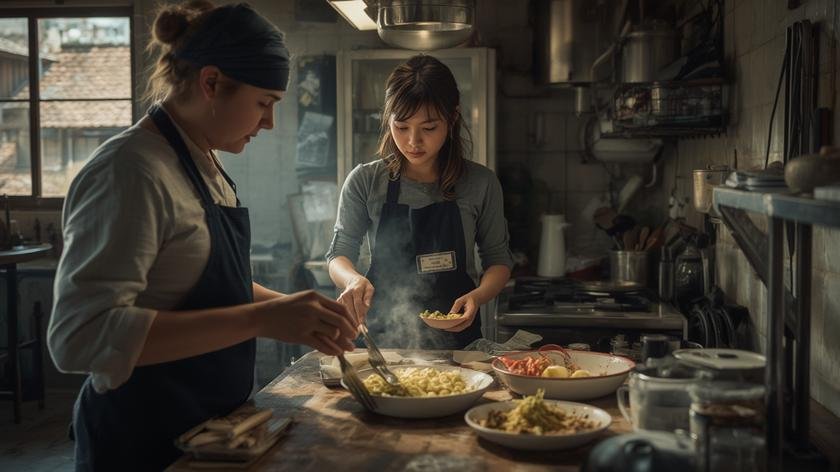
Effective multi‑tasking isn’t about doing everything at once; it’s about sequencing actions so idle time becomes productive. The “prep‑cook‑assemble” workflow accomplishes this:
1. **Prep** – While water boils, wash and chop vegetables.
2. **Cook** – Simultaneously sauté aromatics and start a protein.
3. **Assemble** – Combine cooked components, add sauce, and finish with a quick garnish.
Practice this loop with simple dishes such as stir‑fry quinoa or sheet‑pan salmon. The key is to keep one pot or pan active while another ingredient finishes, eliminating downtime.
Internal link example: learn more about effective meal planning that synchronizes prep and cooking phases.
## Pantry Prep and Smart Ingredients
A well‑stocked pantry is the backbone of rapid cooking. Prioritize versatile staples:
| Category | Core Items | Shelf Life | Typical Uses |
|———-|————|————|————–|
| Grains | Brown rice, quinoa, couscous | 12‑18 months | Bases, side dishes |
| Proteins | Canned beans, lentils, frozen shrimp | 12‑24 months (canned) / 6‑12 months (frozen) | Main proteins |
| Sauces | Soy sauce, canned tomatoes, pesto | 2‑3 years | Flavor foundations |
| Spices | Smoked paprika, cumin, dried oregano | Indefinite | Quick seasoning |
Rotate older items forward and keep a “ready‑to‑use” basket of pre‑washed greens, pre‑cut onions, and pre‑portion‑sized nuts. This reduces the “I need to find the garlic” friction that slows down cooking.
## 30‑Minute Recipe Structures
Designing recipes around a 30‑minute window forces simplicity and efficiency. The following template works for most cuisines:
1. **Base (5 min)** – Cook a grain or pasta in boiling salted water.
2. **Protein (10 min)** – Pan‑sear, grill, or pressure‑cook a protein source.
3. **Veggie Mix (10 min)** – Stir‑fry or steam vegetables while the protein rests.
4. **Sauce Finish (5 min)** – Whisk together broth, mustard, or citrus; toss everything together.
Example: **Mediterranean Chicken & Couscous**
– Couscous (5 min) rehydrates in hot broth.
– Chicken breast (8 min) seared with lemon zest.
– Spinach & cherry tomatoes (5 min) sautéed.
– Finish with a drizzle of olive oil, feta crumbs, and fresh herbs.
Each step overlaps with the next, making the entire dish ready in under half an hour.
## Batch Cooking for Quick Reuse
Batch cooking doesn’t mean cooking an entire week’s menu in one go; it means creating interchangeable components that recombine into multiple meals. On Sundays, prepare:
– **Protein blocks**: Roast a tray of mixed chicken thighs, tofu cubes, and chickpeas.
– **Grain reservoirs**: Cook a large pot of brown rice and a separate batch of barley.
– **Sauce jars**: Blend a roasted red pepper sauce, a quick garlic‑yogurt dip, and a spicy sriracha‑honey glaze.
During the workweek, pull a protein, a grain, and a sauce, then add a fresh side (like a quick salad). This approach yields dozens of distinct plates while keeping daily prep under ten minutes.
Internal link example: discover how to streamline prep and keep your fridge organized for fast assembly.
## Equipment That Accelerates
Investing in a handful of time‑saving tools yields outsized returns:
| Tool | Why It Saves Time | Ideal Use Cases |
|——|——————-|—————–|
| Instant Pot / Pressure Cooker | Cooks beans, grains, and tough proteins in a fraction of the time | Chili, braised meats, soups |
| High‑Speed Blender | Purees sauces, smoothies, and soups in seconds | Pesto, creamy soups |
| Sheet‑Pan | One‑pan cooking eliminates stovetop juggling | Roasted vegetables, fish |
| Multi‑Tier Steamer | Simultaneously cooks rice and vegetables | Asian‑style meals |
| Kitchen Shears | Quick trimming of herbs and proteins | Cutting chicken strips, snipping greens |
When these appliances are paired with the workflow described earlier, the overall cooking timeline shrinks dramatically.
## Sample Weekly Menu
A concrete illustration helps solidify the concepts. Below is a seven‑day plan that respects the 30‑minute ceiling for dinner while delivering variety.
| Day | Main | Base | Veggies | Sauce |
|—–|——|——|———|——-|
| Monday | Lemon‑Garlic Shrimp | Couscous | Zucchini & Peas | Light Lemon Butter |
| Tuesday | Turkey Chili (Instant Pot) | Brown Rice | Corn & Bell Peppers | Tomato‑Based |
| Wednesday | Teriyaki Tofu | Quinoa | Broccoli & Carrots | Teriyaki Glaze |
| Thursday | Sheet‑Pan Salmon | Wild Rice Blend | Asparagus | Dill Yogurt |
| Friday | Beef & Veggie Stir‑Fry | Rice Noodles | Snow Peas & Mushrooms | Soy‑Ginger |
| Saturday | Veggie‑Loaded Omelette | Mixed Greens | Spinach, Tomato, Onion | Salsa Verde |
| Sunday | Roast Chicken (Batch) | Barley | Roasted Root Veg | Herb Gravy |
Each meal relies on pre‑prepared components or rapid‑cook methods, ensuring dinner stays under thirty minutes without sacrificing taste.
## Comparison of Popular Speed‑Cooking Approaches
Below is an evaluation table that contrasts three common strategies for delivering fast homemade meals: **Batch‑Prep**, **One‑Pot Meals**, and **High‑Tech Appliances**. The criteria reflect both practical kitchen realities and health considerations.
| Criteria | Batch‑Prep | One‑Pot Meals | High‑Tech Appliances |
|---|---|---|---|
| Prep Time (Initial) | 45‑60 min (weekend) | 5‑10 min per meal | 3‑5 min (set‑and‑go) |
| Cooking Time (Per Meal) | 5‑10 min (reheat) | 20‑30 min | 15‑25 min |
| Flavor Depth | High (marinated, slow‑roasted) | Medium (single‑pot integration) | Variable (depends on appliance) |
| Equipment Needed | Basic (pots, pans) | One large pot or pan | Specialized (Instant Pot, blender) |
| Cost Efficiency | Very high (bulk buying) | High (minimal waste) | Moderate (initial investment) |
| Suitability for Families | Excellent (large batches) | Good (scales easily) | Fair (individual portions) |
The table helps readers decide which method aligns with their lifestyle, budget, and kitchen setup.
- Can I prepare a full week’s dinner in under an hour? Yes, using batch‑prep and versatile sauces.
- Are Quick Dinner Ideas healthier than takeout? Generally, because you control ingredients and portions.
- Do high‑tech appliances replace traditional cooking skills? They complement skills, not replace them.
- How much time does a 30‑minute recipe actually take? About 25‑30 minutes, including prep.
- Is it possible to stay vegetarian while cooking fast? Absolutely; beans, tofu, and pre‑cut veg are key.
## Conclusion and Final Takeaways
Creating fast homemade meals is less about magic and more about systematic planning, smart ingredients, and leveraging tools that cut idle time. By mastering multi‑tasking, maintaining a well‑stocked pantry, employing a repeatable 30‑minute recipe framework, and selecting equipment that aligns with your cooking rhythm, you can turn dinner into a predictable, low‑stress part of the day.
The strategies outlined here not only free up valuable minutes but also nurture healthier eating habits, lower food costs, and sustain culinary confidence. Implement one or two tactics this week, observe the impact on your schedule, and gradually build a repertoire that supports a busy lifestyle without compromising on taste or nutrition.
For readers who wish to explore additional resources, a quick search can surface complementary tips: Google search for Fast Homemade Meals for Busy Lives.
Start with a single batch‑prep session, test the one‑pot approach on a weekday, and watch your kitchen transform into a hub of efficiency and flavor.