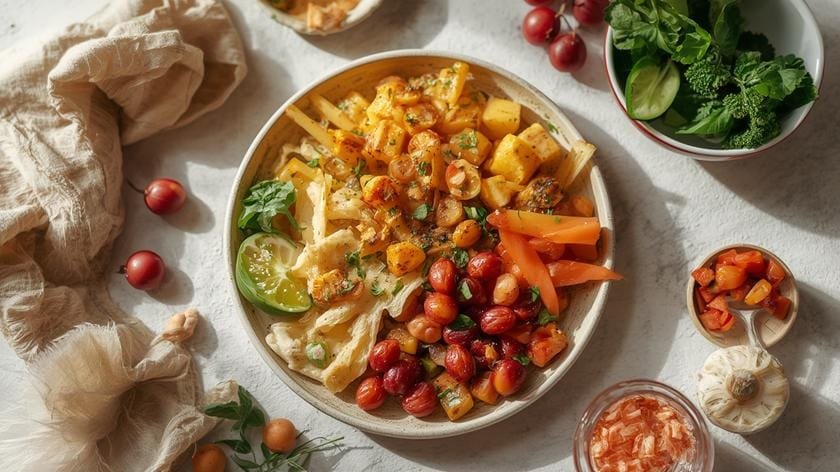
Minimally Processed Foods for Optimal Nutrition
In the evolving landscape of nutrition, consumers are increasingly seeking foods that retain their natural integrity while delivering maximum health benefits. minimally processed foods have emerged as a cornerstone of this movement, offering a practical compromise between raw, unprocessed produce and heavily refined alternatives.
Thank you for reading this post, don't forget to subscribe!Beyond simple label reading, understanding how these foods fit into a balanced diet requires a deeper look at processing methods, nutrient preservation, and sourcing strategies. By aligning meal planning with minimally processed foods, individuals can enhance micronutrient intake, support gut health, and maintain sustainable eating patterns.
Table of Contents
- What Are Minimally Processed Foods?
- Nutritional Benefits
- Identifying Quality Selections
- Meal Integration Strategies
- Shopping at Whole Foods
- Comparison Table
- FAQ
- Conclusion and Final Takeaways
What Are Minimally Processed Foods?
The term “minimally processed” refers to foods that have undergone only those procedures necessary to make them safe, convenient, or edible while preserving most of their natural composition. Typical operations include washing, cutting, freezing, pasteurizing, or vacuum‑sealing. Unlike ultra‑processed items, these foods retain the bulk of their fiber, vitamins, and phytonutrients, making them a reliable source of essential nutrients.
For example, frozen berries that are quickly flash‑frozen at peak ripeness retain antioxidant levels comparable to fresh berries. Similarly, pre‑sliced carrots or grain‑washed rice are considered minimally processed because the steps involved do not fundamentally alter the food’s molecular structure. When building a diet around these products, the focus shifts from merely “eating less junk” to “eating more of what nature intended.”
Nutritional Benefits
Because the processing steps are gentle, the nutritional profile stays largely intact. Research consistently shows that minimally processed foods deliver the following advantages:
- Preserved Micronutrients: Vitamins such as C, K, and many B‑complex vitamins survive short‑term heat treatment and rapid cooling.
- Enhanced Bioavailability: Certain nutrients, like lycopene in canned tomatoes, become more absorbable after mild cooking.
- Fiber Retention: Whole‑grain flours and pre‑cooked legumes keep the bran and germ, supporting digestive health.
- Reduced Additive Load: These foods typically lack artificial flavors, colors, and excessive sodium found in highly processed alternatives.
Integrating minimally processed foods into daily meals can therefore improve satiety, stabilize blood sugar, and support long‑term metabolic health without sacrificing convenience.
Identifying Quality Selections
Knowing how to spot truly minimally processed items on a grocery shelf is a skill that pays dividends. Consider the following checklist:
- Ingredient Simplicity: The ingredient list should contain one or two items, such as “carrots” or “frozen strawberries.”
- Processing Description: Look for terms like “flash‑frozen,” “pasteurized,” or “vacuum‑sealed.”
- Absence of Additives: Avoid products listing emulsifiers, stabilizers, or artificial sweeteners.
- Transparent Sourcing: Brands that disclose origin, farming practices, or certification (e.g., Organic, Non‑GMO) are more likely to maintain minimal processing.
When in doubt, learn more about processing levels through reputable food‑science resources or manufacturer FAQs. Consistently applying these criteria empowers shoppers to create a pantry built on nutritional integrity.
Meal Integration Strategies
Transitioning from a conventional diet to one centered on minimally processed foods does not require a complete overhaul. Small, strategic swaps can have big impacts:
- Breakfast: Replace sugary cereals with rolled oats that are simply steamed and rolled. Top with frozen berries and a splash of milk.
- Lunch: Opt for pre‑washed mixed greens, add canned beans (rinsed), and drizzle with olive oil and lemon juice.
- Dinner: Use frozen, flash‑frozen vegetables as a base for stir‑fries, pairing them with whole‑grain rice that has only been washed and par‑boiled.
- Snacks: Keep pre‑cut fruit, nut mixes without added salt, or yogurt that has only been cultured and strained.
These approaches retain the time‑saving benefits of processed foods while maximizing nutrient density. For inspiration, discover practical meal ideas that blend convenience with wholesome ingredients.
Shopping at Whole Foods
Specialty retailers often curate a broader selection of genuinely minimally processed items, making them valuable allies for health‑focused shoppers. Whole Foods stores typically feature dedicated freezer sections for flash‑frozen produce, bulk bins of whole grains, and a robust prepared‑foods aisle that emphasizes natural cooking methods.
When navigating these aisles, prioritize products that display clear processing descriptors and avoid those with long ingredient lists or unnecessary additives. Many stores also provide in‑store nutrition workshops, enabling consumers to deepen their understanding of food classifications and make evidence‑based selections.
Comparison Table
| Attribute | Minimally Processed | Highly Processed |
|---|---|---|
| Ingredient List | 1–3 simple ingredients | 5+ ingredients, often additives |
| Nutrient Retention | 90–99% of original | 30–70% depending on processing |
| Fiber Content | Preserved whole‑grain or vegetable fiber | Often stripped or reduced |
| Additive Presence | Rare or none | Common (preservatives, flavor enhancers) |
| Typical Shelf Life | Few days to several months (frozen) | Months to years |

FAQ
- Are frozen vegetables considered minimally processed? Yes, if they are flash‑frozen without additives.
- Do minimally processed foods need refrigeration? Only perishable items; many can be stored at room temperature.
- Can I find these foods in regular supermarkets? Yes, but specialty stores often have a wider range.
- Is there a nutritional difference between fresh and frozen? Minimal; frozen at peak ripeness can match fresh nutrient levels.
- Do minimally processed foods contain hidden sugars? Typically not, unless clearly labeled.

Conclusion and Final Takeaways
Embracing minimally processed foods offers a realistic pathway to better nutrition without sacrificing modern convenience. By recognizing the subtle differences between gentle preservation methods and intensive industrial processing, consumers can make informed choices that preserve micronutrients, fiber, and overall food quality.
Strategic shopping—whether at mainstream grocers or specialty outlets like Whole Foods—combined with simple meal‑planning tactics, empowers individuals to build a diet grounded in nutrient density. Over time, these habits translate into measurable health outcomes, ranging from improved digestive comfort to more stable energy levels.
As you refine your pantry and cooking routines, remember that the goal is consistency, not perfection. Small, evidence‑based swaps accumulated over weeks and months form the foundation of lasting nutritional resilience.
For further reading, you may search for this topic and explore peer‑reviewed studies, dietitian guides, and practical cooking resources.