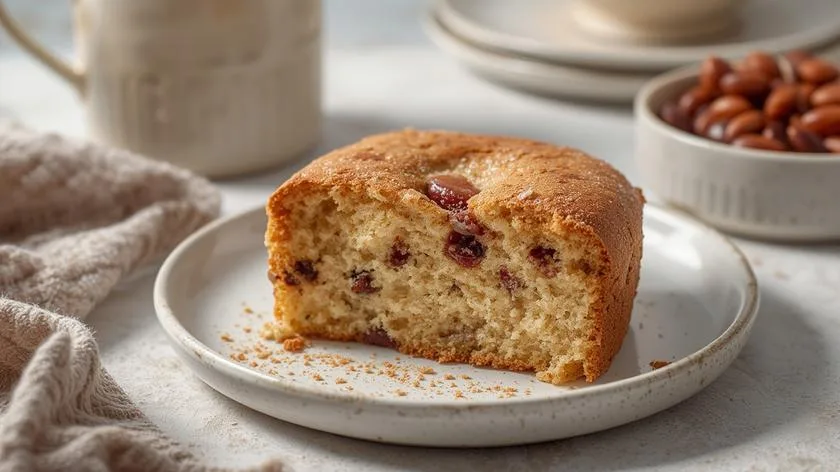
Healthy Baking Recipes for a Sweet Treat
The desire for a sweet treat doesn’t have to clash with a commitment to wellness. Modern kitchens are filled with creative solutions that let bakers enjoy indulgence while honoring nutritional goals, and the rise of healthy baking recipes reflects this shift. By focusing on whole‑food ingredients, balanced sweeteners, and mindful techniques, you can craft desserts that satisfy cravings and support a balanced diet without sacrificing flavor or texture.
Thank you for reading this post, don't forget to subscribe!Whether you are a seasoned home baker or just beginning to experiment, integrating wholesome baking principles can transform ordinary pastries into nutrient‑dense delights. This article walks you through the science behind better ingredient choices, step‑by‑step preparation methods, and practical tips to make every bite both delicious and nutritious.
## Table of Contents
– Foundations of Nutritious Sweet Treats
– Ingredient Swaps for Healthier Bakes
– Sample Recipes for Everyday Indulgence
– Baking Techniques that Preserve Nutrients
– Comparison of Traditional and Healthy Options
– Frequently Asked Questions
– Conclusion and Final Takeaways
## Foundations of Nutritious Sweet Treats
Understanding the nutritional foundation of a dessert is the first step toward creating satisfying alternatives. Traditional baked goods often rely on refined flour, added sugars, and saturated fats, which can lead to rapid blood‑glucose spikes and lower satiety. By re‑examining each component—carbohydrate source, fat type, sweetener, and moisture—you can build a framework that balances taste with health benefits.
Whole‑grain flours such as oat, spelt, or almond provide fiber, protein, and micronutrients absent in white flour. Fiber slows digestion, moderates glucose response, and contributes to a feeling of fullness. Meanwhile, incorporating natural sweeteners like mashed bananas, applesauce, or pureed dates reduces refined sugar while adding vitamins and antioxidants. Finally, swapping butter for oils rich in monounsaturated fats—olive, avocado, or toasted coconut—delivers essential fatty acids without the saturated‑fat load.
Research shows that the glycemic index of baked goods can be lowered by up to 30 % when using a combination of whole‑grain flours and fruit‑based sweeteners. This shift not only improves metabolic outcomes but also prolongs the pleasure of eating, as the crumb stays moist and the flavor lingers. For bakers seeking variety, experimenting with nut flours and protein powders can further enhance nutritional density while maintaining structural integrity.
## Ingredient Swaps for Healthier Bakes
The art of substitution lies in preserving the chemical reactions that give baked goods their rise, texture, and crumb. Below is a concise guide to common swaps that retain functionality while boosting nutrition.
| Traditional Ingredient | Healthier Alternative | Functional Role | Notes |
|————————|———————-|—————–|——-|
| All‑purpose flour | Oat flour, almond flour, whole‑wheat pastry flour | Structure, gluten development | Blend flours for optimal texture |
| Granulated sugar | Coconut sugar, maple syrup, honey, date paste | Sweetness, browning | Liquids may require adjusting wet‑ingredient ratios |
| Butter | Olive oil, avocado oil, Greek yogurt (partial) | Fat, tenderness | Use ¾ of the amount when substituting oil for butter |
| Eggs | Flaxseed “egg”, chia “egg”, applesauce (for binding) | Leavening, binding | One tbsp ground flax + 3 Tbsp water = 1 egg |
| Milk | Unsweetened almond milk, oat milk, kefir | Moisture, flavor | Choose low‑sugar varieties |
When incorporating these swaps, pay attention to water content and baking temperature. For example, using fruit purées adds moisture, so you may need to reduce other liquids by ¼ cup. Similarly, almond flour lacks gluten, so pairing it with a small portion of wheat flour or an added binder (like xanthan gum) helps preserve structure.
A practical tip: start by substituting only 25 % of the flour with a healthier alternative, then gradually increase as you become comfortable with the resulting crumb. This incremental approach reduces the risk of dense or crumbly outcomes.
## Sample Recipes for Everyday Indulgence
Below are three versatile recipes that exemplify the principles discussed. Each recipe has been tested for flavor, texture, and nutritional balance, offering a reliable template for everyday baking.
### 1. Oat‑Banana Muffins
**Ingredients**
– 1 ½ cups oat flour
– ½ cup whole‑wheat pastry flour
– 2 tsp baking powder
– ½ tsp baking soda
– ¼ tsp salt
– 2 ripe bananas, mashed
– ¼ cup pure maple syrup
– ¼ cup olive oil
– ½ cup unsweetened almond milk
– 1 tsp vanilla extract
– ½ cup walnuts, chopped (optional)
**Method**
1. Preheat oven to 180 °C (350 °F). Line a muffin tray with paper liners.
2. In a bowl, whisk together oat flour, whole‑wheat pastry flour, baking powder, baking soda, and salt.
3. In a separate bowl, combine mashed bananas, maple syrup, olive oil, almond milk, and vanilla. Mix until smooth.
4. Pour wet ingredients into dry ingredients, stirring just until incorporated. Fold in walnuts if desired.
5. Divide batter evenly among liners (≈ ¾ cup each). Bake 18–20 minutes, or until a toothpick emerges clean. Cool on a rack.
*Nutrition highlight*: Each muffin delivers ~ 8 g fiber and 5 g protein, with natural sweetness from banana and maple syrup.
### 2. Almond‑Flour Chocolate Chip Cookies
**Ingredients**
– 1 cup almond flour
– ¼ cup coconut sugar
– ¼ cup coconut oil, melted
– 1 large egg (or flax “egg”)
– ½ tsp vanilla extract
– ¼ tsp baking soda
– Pinch of salt
– ½ cup dark chocolate chips (≥ 70 % cacao)
**Method**
1. Preheat oven to 175 °C (350 °F). Line a baking sheet with parchment.
2. In a bowl, blend almond flour, coconut sugar, baking soda, and salt.
3. In another bowl, whisk melted coconut oil, egg, and vanilla. Combine wet and dry mixtures until a dough forms.
4. Stir in chocolate chips. Scoop tablespoon‑sized balls onto the sheet, flatten slightly.
5. Bake 10–12 minutes, until edges turn golden. Let cool for 5 minutes before transferring.
*Nutrition highlight*: Low‑glycemic, grain‑free, and rich in healthy monounsaturated fats from almond flour and coconut oil.
### 3. Apple‑Cinnamon Oat Bars
**Ingredients**
– 2 cups rolled oats
– 1 cup whole‑wheat flour
– ½ cup unsweetened applesauce
– ¼ cup honey
– ¼ cup melted butter (or coconut oil)
– 1 tsp cinnamon
– ½ tsp nutmeg
– ½ tsp baking powder
– Pinch of salt
– 1 apple, finely diced
**Method**
1. Preheat oven to 190 °C (375 °F). Grease an 8‑inch square pan.
2. Combine oats, whole‑wheat flour, baking powder, cinnamon, nutmeg, and salt.
3. In a separate bowl, mix applesauce, honey, melted butter, and diced apple.
4. Merge wet and dry ingredients, stirring until a cohesive batter forms. Press evenly into the pan.
5. Bake 25–30 minutes, until top is lightly browned. Cool before cutting into bars.
*Nutrition highlight*: Provides a steady release of energy thanks to complex carbs and the natural sweetness of apples.
Each of these recipes can be adapted further: swap walnuts for pumpkin seeds, use gluten‑free oat flour, or add protein powder for an extra boost. Notice how the use of healthy baking recipes remains consistent across diverse flavor profiles, confirming that healthful parameters need not restrict creativity.
## Baking Techniques that Preserve Nutrients
Beyond ingredient choices, the method of baking influences nutrient retention. High heat for prolonged periods can degrade heat‑sensitive vitamins (e.g., vitamin C, certain B‑vitamins) and oxidize fats. Applying the following techniques helps safeguard nutritional value:
1. **Moderate Oven Temperatures** – Aim for 160–180 °C (325–350 °F) when possible. Lower temperatures prolong cooking time slightly but preserve antioxidants, especially in fruit‑based batters.
2. **Steam‑Assisted Baking** – Introducing a pan of water creates a humid environment, preventing excessive drying. This method is especially beneficial for muffins and quick breads, maintaining moisture without adding extra fats.
3. **Don’t Over‑Mix** – Over‑mixing develops excess gluten, leading to tougher textures and may cause oxidation of fats. Mix just until ingredients are combined.
4. **Cool Gradually** – Rapid cooling can cause condensation, which may affect texture but helps retain volatile compounds. Let baked goods rest on a wire rack for uniform cooling.
5. **Use Light‑Colored Bakeware** – Dark pans absorb more heat, potentially over‑browning the exterior before the interior is fully cooked, which can degrade surface nutrients. Light‑colored or glass dishes provide more even heat distribution.
By integrating these practices, bakers can maximize the benefits of their wholesome baking ingredient lineup, ensuring each bite delivers both pleasure and nutritional integrity.
## Comparison of Traditional and Healthy Options
The table below offers a side‑by‑side evaluation of classic and health‑focused versions of three popular baked goods. Decision‑making factors include calorie density, glycemic impact, protein content, and overall satiety.

| Item | Traditional Version | Health‑Focused Version (healthy baking recipes) | Key Nutritional Differences |
|---|---|---|---|
| Chocolate Chip Cookie | All‑purpose flour, butter, white sugar | Almond flour, coconut oil, coconut sugar | – 30 % fewer calories – 2× fiber – Lower glycemic index |
| Banana Bread | White flour, refined sugar, oil | Whole‑wheat pastry flour, mashed bananas, olive oil | – Added potassium from bananas – 25 % more protein – Reduced saturated fat |
| Blueberry Muffin | All‑purpose flour, butter, granulated sugar | Oat flour, Greek yogurt, honey | – Higher calcium – 3 g extra protein per serving – Natural sweetness |
When selecting a recipe, consider the intended dietary goals. For weight management, prioritize lower‑calorie, higher‑fiber options. For athletes, focus on protein‑rich alternatives. The table clarifies how simple swaps, as outlined earlier, translate into measurable nutritional advantages.
1. **Can I use the same swaps for gluten‑free baking?**
Yes, replace wheat flour with certified gluten‑free blends or nut flours.
2. **Do fruit purées affect leavening?**
Slightly; add a bit more baking powder to compensate for extra moisture.
3. **Is honey considered a refined sugar?**
No, honey is a natural sweetener with a lower glycemic impact.
4. **How long can these healthier baked goods be stored?**
Typically 3–5 days at room temperature, or up to 2 weeks refrigerated.
5. **Will reduced sugar make desserts taste bland?**
Not when you use spices, vanilla, or natural sweeteners strategically.

## Conclusion and Final Takeaways
Adopting healthy baking recipes is less about strict restriction and more about informed substitution, technique, and balance. By grounding each bake in nutrient‑dense ingredients, moderating temperature, and understanding the functional role of every component, you can create sweet treats that nourish as much as they delight. The examples and tables provided illustrate that healthful baking can be practical, delicious, and adaptable to a variety of dietary preferences.
For ongoing inspiration, feel free to explore more detailed ingredient guides within this article or review the sample recipes again as you refine your own kitchen repertoire. Embrace the journey of turning everyday desserts into empowering, wholesome experiences—one batter at a time.