Best Way to Clean Oven Racks
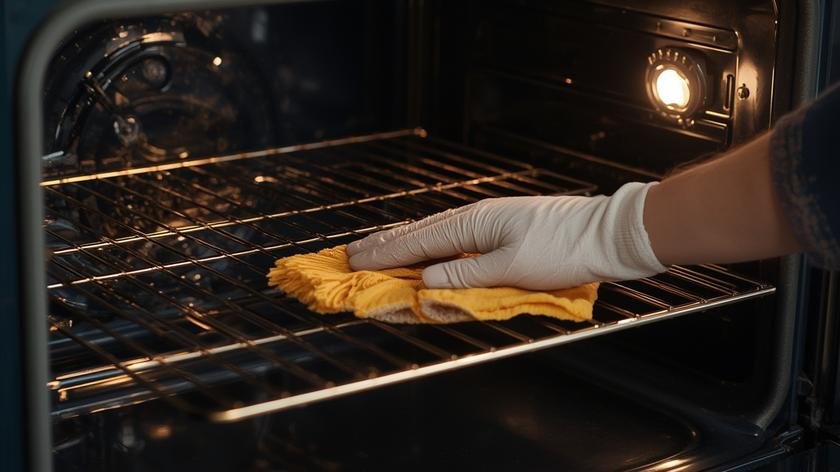
Keeping an oven in top condition means more than just wiping down the interior after each use. Over time, food splatters and grease build up on the metal racks, creating stubborn residues that can affect heat distribution and even transfer unwanted flavors to freshly baked dishes. Understanding the best way to clean oven racks not only preserves the lifespan of your equipment but also ensures a healthier cooking environment.
Thank you for reading this post, don't forget to subscribe!Many homeowners resort to generic cleaning sprays or endless scrubbing, only to find that the grime returns faster than it disappears. By adopting a systematic approach that combines the right materials, timing, and technique, you can achieve a sparkling finish with minimal effort. The following guide walks you through each step, highlighting the most efficient practices for best way to clean oven racks while keeping safety and convenience in mind.
Table of Contents
- Why Clean Oven Racks
- Materials You’ll Need
- Step‑by‑Step Cleaning Process
- Alternative Cleaning Methods
- Maintenance Tips
- Comparison of Common Cleaning Methods
- FAQ
- Conclusion and Final Takeaways
Why Clean Oven Racks
Regular oven rack cleaning prevents the accumulation of carbonized food particles that can become a breeding ground for bacteria. Moreover, clean racks contribute to even heat circulation, which is essential for consistent cooking results. Ignoring this maintenance can lead to rust, reduced efficiency, and an undesirable smoky aroma that permeates every dish.
Materials You’ll Need
Having the right supplies on hand streamlines the process and reduces the need for harsh chemicals. Gather the following items before you begin:
- Large trash bag or sturdy trash can (to soak the racks)
- Hot water (as hot as safely manageable)
- Dish soap (preferably a grease‑cutting formula)
- Baking soda
- White vinegar
- Non‑abrasive scrubbing pad or soft brush
- Rubber gloves
- Old towels for drying
These ingredients are safe for the metal surface and work synergistically to dissolve stubborn grime without compromising the rack’s finish.
Step‑by‑Step Cleaning Process
The best way to clean oven racks follows a logical sequence that maximizes heat and chemical action while minimizing manual effort. Follow these steps:
- Pre‑soak: Place the racks inside a large trash bag, fill it with enough hot water to submerge the racks completely, and add a squirt of dish soap. Seal the bag and let it sit for at least 30 minutes. The hot, soapy water loosens baked‑on residues.
- Apply a baking soda paste: After draining the soak, sprinkle a generous amount of baking soda over each rack. Lightly mist with white vinegar; the fizzing reaction lifts grease further.
- Wait and observe: Allow the paste to sit for another 15‑20 minutes. This dwell time enables the mild abrasive action of the baking soda to work without scratching the metal.
- Scrub gently: Using a non‑abrasive pad, scrub each rack in a circular motion. Focus on corners and crevices where food particles tend to hide.
- Rinse thoroughly: Rinse the racks under running hot water until all soap and baking soda residues are gone. A final rinse with cold water helps close the metal pores.
- Dry completely: Pat the racks dry with a clean towel or let them air‑dry on a rack. Ensure they are fully dry before placing them back in the oven to prevent rust.
Completing these steps yields a pristine finish, ready for the next cooking session.
Alternative Cleaning Methods
If time or resources are limited, several alternative techniques can still produce satisfactory results:
- Self‑cleaning oven cycle: Many modern ovens feature a high‑temperature self‑clean mode that incinerates residues on both the interior walls and racks. Remove the racks first to prevent heat damage.
- Steam cleaning: Place racks in a large pot of boiling water with a splash of lemon juice. After 20 minutes, the steam softens grime for easy wiping.
- Commercial oven cleaners: Use as directed, but be aware that some formulations contain strong chemicals that may corrode metal over time.
While these methods can be convenient, the systematic approach described earlier remains the most thorough and eco‑friendly option.
Maintenance Tips
Preventive care reduces the frequency of deep cleaning sessions. Incorporate these habits into your routine:
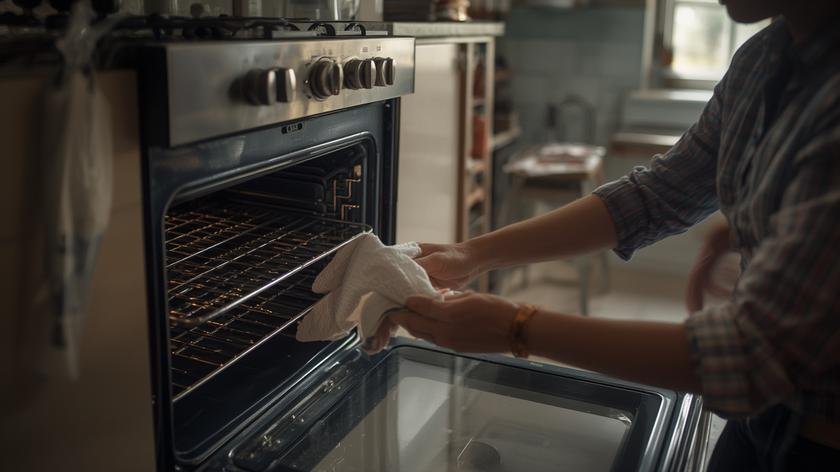
- Wipe racks with a damp cloth after each use to remove excess grease.
- Place aluminum foil or a silicone mat beneath food trays to catch drips.
- Schedule a light oven rack cleaning every month to stay ahead of buildup.
- Inspect racks for signs of rust; treat early with a thin coat of cooking oil.
Consistent maintenance not only extends the life of your racks but also ensures optimal cooking performance.
Comparison of Common Cleaning Methods
| Method | Time Required | Cost | Effectiveness | Pros | Cons |
|---|---|---|---|---|---|
| Traditional Soak & Scrub (above) | 45‑60 min | Low (household items) | High | Eco‑friendly, gentle on metal | Requires manual effort |
| Self‑Cleaning Cycle | 2‑4 hrs | Medium (energy use) | Medium‑High | Hands‑free, deep heat | Can discolor racks, high energy |
| Steam Pot Method | 30 min | Low (water & lemon) | Medium | Quick, minimal chemicals | Limited for heavy buildup |
| Commercial Oven Cleaner | 15‑30 min | Medium‑High (product cost) | High | Fast results | Potential chemical residue, metal wear |
For a deeper dive into each method’s pros and cons, read our detailed comparison section. If you prefer a quick overview, you can also explore the summarized table for fast reference.
External research on this topic can be found via a simple search: Google search or Bing search.
FAQ
- Can I use aluminum foil to clean racks?
- Aluminum foil can scratch the surface; not recommended.
- How often should I deep clean my oven racks?
- Every 1‑2 months, depending on usage.
- Is it safe to use bleach on oven racks?
- Bleach may corrode metal; avoid it.
- Will the baking soda paste damage the rack coating?
- No, it’s gentle and non‑abrasive.
- Can I place dirty racks in the dishwasher?
- Dishwashers don’t reach the high temperatures needed for grease.
Conclusion and Final Takeaways
Achieving the best way to clean oven racks hinges on a blend of proper preparation, effective cleaning agents, and regular maintenance. By following the step‑by‑step process outlined above, you minimize labor while maximizing results, ensuring that every rack returns to its original shine without compromising the oven’s performance.
Incorporate the preventive habits highlighted in the maintenance section, and you’ll extend the lifespan of your oven components while consistently delivering high‑quality cooking outcomes. For ongoing guidance and updates, stay connected with our resource hub.