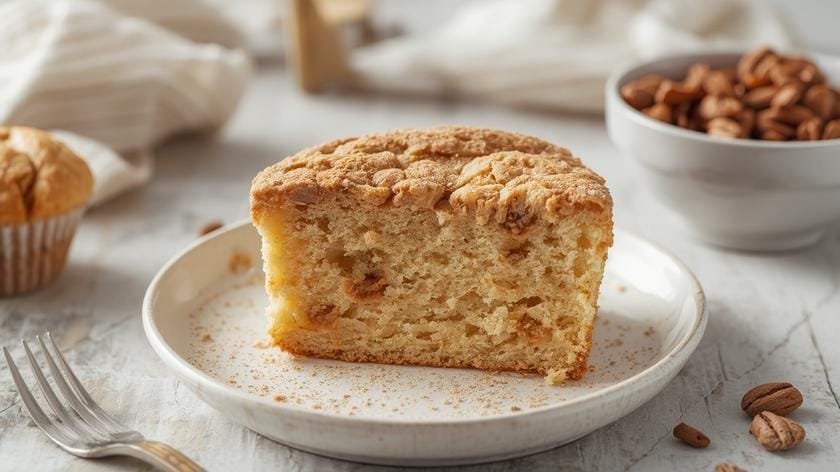
Healthy Baking Substitutes for a Guilt-Free Treat
The modern palate craves indulgence, yet the rising awareness of nutrition has turned many home bakers toward smarter ingredient swaps. By understanding how each component functions in a recipe, you can recreate classic treats with a fraction of the guilt. That’s where healthy baking substitutes become essential—they let you preserve texture and flavor while aligning with wellness goals.
Thank you for reading this post, don't forget to subscribe!Beyond cutting calories, the substitution process opens doors to cleaner, more nutrient‑dense desserts. Swapping refined sugars for natural sweeteners and refined flours for fiber‑rich alternatives can dramatically improve blood‑sugar response and gut health. As you explore these options, you’ll discover that “healthy” doesn’t mean compromising pleasure, but rather enhancing it with thoughtful choices.
## Table of Contents
– Understanding the Need for Smarter Baking
– Replacing Sugar with natural sweeteners
– Flour Alternatives for Better Nutrition
– Fat Substitutes that Keep Moisture
– Egg Replacements for Structure
– Liquid Adjustments and Binding Agents
– Comparison of Common Substitutes
– Frequently Asked Questions
– Conclusion and Final Takeaways
## Understanding the Need for Smarter Baking {#understanding-need}
Baking is fundamentally a science of chemistry; each ingredient contributes a specific physical or flavor property. When we aim for healthier outcomes, the challenge lies in replicating those properties without the usual culprits—excess sugar, refined starches, and saturated fats. By dissecting the role of each component—sweetness, structure, leavening, moisture—you can select alternatives that mimic the original function while delivering added nutrients.
Many consumers also confront dietary restrictions such as gluten intolerance, dairy sensitivity, or low‑glycemic diets. In these cases, the conventional pantry staples become obstacles. Tailoring recipes with deliberate swaps not only accommodates these restrictions but often results in a more satisfying mouthfeel because the replacements are chosen for their functional compatibility, not just for being “low‑calorie.”
## Replacing Sugar with natural sweeteners {#sugar-alternatives}
### Why Swap Sugar?
Refined cane sugar spikes blood glucose and offers little beyond sweetness. Moreover, the high glycemic load can fuel cravings, leading to a vicious cycle of over‑indulgence. Natural sweeteners provide similar or superior sweetness levels with added micronutrients, lower caloric density, or a reduced impact on insulin.
### Popular Natural Sweeteners
| Sweetener | Sweetness (relative to sugar) | Calories per tsp | Notable Benefits |
|———–|——————————|——————|——————|
| **Stevia** | 200‑300× | 0 | Zero‑calorie, plant‑derived, suitable for diabetics |
| **Monk Fruit** | 150‑250× | 0 | Antioxidant‑rich, heat‑stable |
| **Erythritol** | 0.7× | 0.24 | Low‑calorie, minimal digestive upset |
| **Yacon Syrup** | 1.5× | 20 | Prebiotic fibers support gut health |
| **Date Paste** | 1× | 66 | Fiber, potassium, iron |
When incorporating these sweeteners, consider their moisture contribution. For example, syrups like yacon or date paste add liquid, so you may need to reduce other liquids by 10‑15 %. Powdered options such as stevia blends integrate seamlessly but require careful measurement because a small amount can dominate flavor.
### Practical Tips
1. **Start Small** – Replace ¼ of the sugar first, taste, then increase gradually.
2. **Balance Flavors** – Some natural sweeteners carry after‑tastes; pair with a pinch of salt or vanilla to mask bitterness.
3. **Mind Heat Sensitivity** – Stevia degrades at extreme temperatures; use it in low‑heat applications or combine with heat‑stable monk fruit for baked goods.
## Flour Alternatives for Better Nutrition {#flour-alternatives}
Traditional wheat flour supplies gluten, which provides elasticity and lift. When health is the priority, you can opt for flours that contribute fiber, protein, and micronutrients.
| Alternative | Protein (g/100 g) | Fiber (g/100 g) | Gluten | Ideal Uses |
|————-|——————-|—————-|——–|————|
| **Almond Flour** | 21 | 12 | No | Cookies, muffins, crusts |
| **Oat Flour** | 13 | 10 | No | Pancakes, quick breads |
| **Spelt Flour** | 15 | 10 | Yes (weaker) | Whole‑grain breads |
| **Chickpea Flour** | 22 | 11 | No | Savory pancakes, fritters |
| **Sorghum Flour** | 9 | 6 | No | Gluten‑free cakes |
| **Whole‑Wheat Pastry Flour** | 13 | 12 | Yes | Light cakes, pastries |
### Blending Strategies
Purely gluten‑free flours often produce crumbly textures. A common approach is to blend 60 % gluten‑free flour with 40 % a higher‑protein flour (e.g., almond + oat) and add a tablespoon of xanthan gum per cup of flour to mimic the binding power of gluten. This technique yields a tender crumb while preserving structure.
### Adjusting Liquids
Higher‑fiber flours absorb more moisture. Increase liquid by roughly ¼ cup for every cup of alternative flour added, or let the batter sit for 5‑10 minutes to allow full hydration before baking.
## Fat Substitutes that Keep Moisture {#fat-alternatives}
Fat contributes richness, tenderness, and aeration. Replacing saturated fats like butter with healthier options can lower caloric density without sacrificing mouthfeel.
| Substitute | Saturated Fat (g/100 g) | Calories (kcal) | Flavor Profile |
|————|————————|—————–|—————-|
| **Applesauce (unsweetened)** | 0.1 | 48 | Light, fruity |
| **Greek Yogurt (plain, low‑fat)** | 0.5 | 59 | Creamy, tangy |
| **Avocado Puree** | 2.1 | 160 | Rich, buttery |
| **Coconut Oil** | 86 | 862 | Coconut aroma |
| **Pureed Silken Tofu** | 0.3 | 55 | Neutral, protein boost |
Applesauce works well in quick breads and muffins, providing moisture and a subtle sweetness. Greek yogurt adds protein and a slight tang, ideal for cakes where a tender crumb is desired. Avocado offers a buttery mouthfeel; its green tint is masked in chocolate or cocoa‑based recipes.
When substituting, aim for a 1:1 volume ratio for most purees, but reduce the total fat by 25 % if you also cut added sugars, as sweetness often compensates for perceived richness.
## Egg Replacements for Structure {#egg-replacements}
Eggs serve three core purposes: leavening, binding, and moisture. Several plant‑based alternatives can fulfill these roles.
| Replacement | Binding Strength | Leavening Ability | Best For |
|————-|——————|——————-|———-|
| **Flaxseed Meal (1 tbsp + 3 tbsp water)** | Moderate | Low | Muffins, pancakes |
| **Chia Seeds (same ratio)** | Moderate | Low | Brownies, bars |
| **Aquafaba (3 tbsp)** | High | High (whipped) | Meringues, macarons |
| **Silken Tofu (¼ cup)** | High | Low | Dense cakes, brownies |
| **Commercial Egg Replacer (powder)** | High | Low | All‑purpose baking |
To make a flax “egg,” combine 1 tablespoon of ground flaxseed with 3 tablespoons of water, let sit 5 minutes until gelatinous. For recipes that rely on egg foam (e.g., angel food cake), aquafaba is unrivaled; it whips to stiff peaks and adds negligible calories.
## Liquid Adjustments and Binding Agents {#liquid-adjustments}
Beyond eggs and fats, the overall liquid balance dictates crumb texture. When you increase fiber or use pureed fruits, you may need to tweak the overall fluid ratio.
– **Vegetable Purees** (e.g., pumpkin, beet) add moisture and color; reduce other liquids by ¼ cup per cup of puree.
– **Milk Alternatives** (almond, oat, soy) can replace dairy; choose unsweetened versions to keep sugar content low.
– **Binding Gums** (xanthan, guar) require only ½ teaspoon per cup of flour; they improve elasticity in gluten‑free doughs.
A practical rule: after mixing, the batter should flow slowly off a spoon but hold its shape briefly. If it spreads too quickly, add a tablespoon of flour; if it’s stiff, add a teaspoon of liquid.
## Comparison of Common Substitutes {#comparison-table}
Below is a concise decision‑making table that aligns typical baking goals with the most appropriate healthy baking substitutes.
| Goal | Best Sweetener | Best Flour | Best Fat | Best Egg Replacement |
|---|---|---|---|---|
| Low‑Calorie, Diabetic‑Friendly | Stevia or Monk Fruit | Almond Flour (70 % of total) | Applesauce | Flaxseed “Egg” |
| Gluten‑Free, High‑Fiber | Erythritol | Oat + Chickpea Blend | Avocado Puree | Aquafaba |
| Protein‑Boosted Treat | Yacon Syrup | Soy or Pea Protein‑Enriched Flour | Greek Yogurt | Silken Tofu |
| Rich, Decadent Texture | Date Paste | Spelt + Whole‑Wheat | Coconut Oil (moderate amount) | Commercial Egg Replacer |
## Frequently Asked Questions {#faqs}
**Can I use the same substitute in every recipe?**
Not always; match the substitute to the recipe’s function.
**Do natural sweeteners affect browning?**
Some, like erythritol, caramelize less; monitor oven time.
**Is almond flour suitable for yeast breads?**
It lacks gluten; combine with a high‑protein flour and add xanthan gum.
**Will aquafaba replace eggs in cakes?**
Only for leavening‑heavy cakes; for dense cakes use tofu or commercial replacer.
**Are these swaps safe for kids?**
Yes, when introduced gradually and allergies are considered.
## Conclusion and Final Takeaways {#conclusion}
Embracing healthy baking substitutes empowers you to craft desserts that satisfy cravings while supporting long‑term well‑being. By understanding each ingredient’s role, selecting the right alternative, and fine‑tuning moisture and binding, you can achieve texture, flavor, and visual appeal comparable to traditional recipes. The real advantage lies in the flexibility the swaps provide—whether you’re targeting reduced sugar, eliminating gluten, or boosting protein, the toolbox is ready.
Start with a single change, such as swapping refined sugar for a natural sweeteners blend, and expand from there. Over time, you’ll develop a nuanced palate for how each alternative behaves, turning healthier baking from a novelty into a habit. For a deeper dive into substitution ratios and troubleshooting tips, feel free to explore the full guide within this article.
Read the comprehensive guide to keep your baking experiments on track, and consider checking the latest research on ingredient functionality.
If you’re ready to experiment, the next step is simply to pick a favorite treat and apply one of the swaps discussed today. Happy baking!