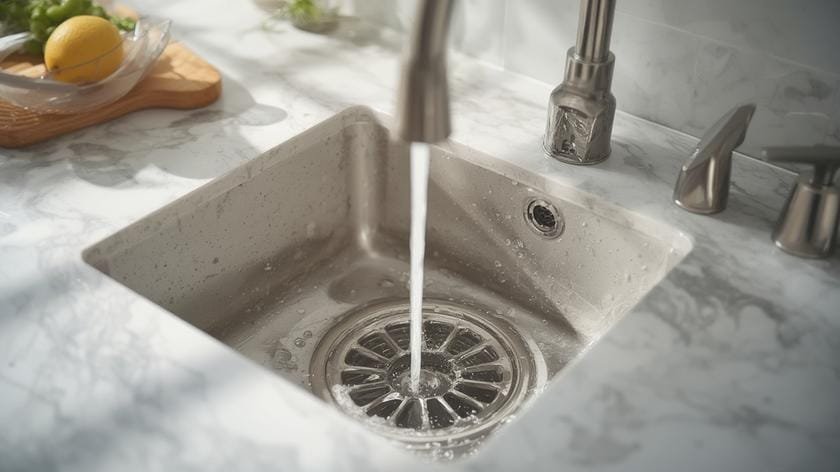
Best Ways to Clean Kitchen Drains
The health of a kitchen’s plumbing often goes unnoticed until a foul odor, slow‑draining water, or an unsettling backup forces a homeowner to investigate. Understanding why drains become sluggish and learning the most effective maintenance routines can save both time and money. By adopting the best ways to clean kitchen drains early, you create a resilient system that resists clogs and extends the life of your fixtures.
Thank you for reading this post, don't forget to subscribe!Even with regular care, occasional blockages are inevitable, especially in busy households where food particles, grease, and debris constantly flow through the pipes. Knowing How to Unclog Kitchen Drains equips you with practical tactics to address problems before they escalate into expensive repairs, keeping the heart of your home running smoothly.
## Table of Contents
– Understanding Kitchen Drain Problems
– Preventative Maintenance Techniques
– Homemade Cleaning Solutions
– Mechanical Tools and Devices
– Professional Services: When to Call an Expert
– Comparison of Cleaning Methods
– Frequently Asked Questions
– Conclusion and Final Takeaways
## Understanding Kitchen Drain Problems {#understanding-kitchen-drain-problems}
Kitchen sinks handle a diverse mix of waste: food scraps, oil, soap, and even small objects that slip down the drain unnoticed. Over time, these materials adhere to pipe walls, creating a sticky film that attracts more debris. The resulting buildup narrows the conduit, slowing water flow and fostering bacterial growth that emits unpleasant odors.
Two primary culprits dominate the clogging landscape:
1. **Grease and Fat** – When hot oil cools, it solidifies and clings to pipe interiors. Unlike solid objects, grease forms a semi‑permanent coating that is difficult for water alone to dislodge.
2. **Food Particles** – Even small bits of vegetable matter can accumulate, especially when combined with grease, producing a dense, rope‑like obstruction.
Understanding these mechanisms helps you choose cleaning methods that target the root cause rather than merely pushing the problem downstream.
## Preventative Maintenance Techniques {#preventative-maintenance-techniques}
Prevention is far more efficient than remediation. Incorporating a few disciplined habits into daily kitchen routines can drastically reduce the frequency of clogs.
– **Hot Water Flush** – After each use, run a steady stream of hot (not scalding) water for 30–60 seconds. The heat helps melt residual grease, while the flow carries loose particles away.
– **Strainer Use** – Install a fine mesh strainer over the drain to catch food bits. Empty it into the trash rather than rinsing it down the pipe.
– **Baking Soda & Vinegar Routine** – Once a week, pour half a cup of baking soda followed by half a cup of white vinegar into the drain. Allow the mixture to fizz for 10‑15 minutes, then flush with hot water. This natural reaction breaks down mild buildup without harming pipes.
These steps create a thin protective layer that discourages adhesion, keeping the drainage system clear longer. For those seeking a succinct recap, see the quick overview later in the article.
## Homemade Cleaning Solutions {#homemade-cleaning-solutions}
When a drain begins to slow, a properly formulated homemade solution can restore flow without the harsh chemicals that damage plumbing or the environment.
### 1. Baking Soda, Salt, and Vinegar
– **Ingredients**: ½ cup baking soda, ½ cup coarse salt, ½ cup white vinegar.
– **Procedure**: Pour the dry mixture into the drain, follow with vinegar, and let it foam for 15 minutes. Rinse with boiling water. The abrasive action of salt scrubs the pipe walls, while vinegar dissolves mineral deposits.
### 2. Enzyme-Based Cleaners
– **Ingredients**: Commercial enzyme cleaner (often sold as “drain healthy”).
– **Procedure**: Apply according to label instructions, typically overnight. Enzymes digest organic material, turning clogs into a slurry that washes away easily.
While these solutions are effective for routine buildup, they may fall short against severe grease globs. In those cases, turning to the best ways to clean kitchen drains that involve mechanical intervention can be decisive.
## Mechanical Tools and Devices {#mechanical-tools-and-devices}
Physical removal of stubborn obstructions often yields the fastest results. Below are the most reliable tools for the average homeowner.
| Tool | Ideal Use | Pros | Cons |
|——|———–|——|——|
| **Plunger** | Minor slow‑downs, shallow blockages | Inexpensive, easy to use | Limited efficacy for deep clogs |
| **Hand‑held Snake (auger)** | Medium‑depth clogs, hair‑like strands | Direct contact with blockage | Requires some force; can scratch pipe |
| **Drain Jet (high‑pressure water)** | Heavy grease buildup, extensive blockages | Powerful, cleans pipe interior | Costlier, may need professional handling |
| **Basin Wrench** | Disassembling P‑traps for manual cleaning | Full access to trap interior | Time‑consuming; not needed for routine maintenance |
When employing a snake, feed it gently until resistance is met, then rotate to break up the clog. After removal, run hot water to flush residual debris. For extensive grease layers, a drain jet can spray water at 1,500–2,000 psi, effectively emulsifying fat. Remember that mechanical methods complement, rather than replace, the best ways to clean kitchen drains strategy.
## Professional Services: When to Call an Expert {#professional-services-when-to-call-an-expert}
Even the most diligent homeowner can encounter blockages that surpass DIY capabilities. Recognizing these signs early minimizes damage.
– **Persistent Slow Drain** – If water continues to pool despite multiple cleaning attempts.
– **Unusual Noises** – Gurgling or bubbling sounds often indicate a partial blockage that is trapping air.
– **Foul Odors** – Persistent sewage smell suggests organic decay deep within the pipe.
In such scenarios, licensed plumbers bring specialized equipment—camera inspections, motorized augers, and hydro‑jetting systems—that safely eliminate the obstruction while preserving pipe integrity. Additionally, professional services can assess whether aging pipes need replacement, a proactive step that prevents future emergencies.
If you’re uncertain whether a problem warrants a professional, consult the expert guide for a quick decision matrix.
## Comparison of Cleaning Methods {#comparison-of-cleaning-methods}
The following table evaluates each approach based on cost, effectiveness, safety, and time investment, helping you decide the most suitable method for your situation.
| Method | Cost | Effectiveness | Safety (Pipe & Health) | Time Required |
|---|---|---|---|---|
| Hot Water Flush | Low (energy) | Low‑to‑Moderate | Very Safe | 1‑2 minutes |
| Baking Soda & Vinegar | Low (pantry items) | Moderate | Safe (non‑corrosive) | 15‑20 minutes |
| Enzyme Cleaner | Medium (store‑bought) | Moderate‑High | Safe (biodegradable) | Overnight |
| Plunger | Low (single purchase) | Low‑to‑Moderate | Safe | 5‑10 minutes |
| Hand‑held Snake | Low‑Medium | High | Generally Safe | 10‑15 minutes |
| Drain Jet (hydro‑jetting) | High (professional service) | Very High | Safe if performed correctly | 30‑60 minutes |
| Professional Plumbing | High | Very High | Safe (expert handling) | Variable |
The table illustrates why the best ways to clean kitchen drains often involve a layered strategy—starting with low‑cost preventive actions and escalating to mechanical or professional solutions as needed.
## Frequently Asked Questions {#frequently-asked-questions}
**Q1: How often should I perform a baking‑soda‑vinegar flush?**
A1: Once a week is ideal for most kitchens.
**Q2: Can chemical drain cleaners replace mechanical tools?**
A2: Not reliably; they may damage pipes over time.
**Q3: Is hot water safe for PVC pipes?**
A3: Yes, as long as it’s not boiling.
**Q4: Will a snake damage my drain?**
A4: Proper use rarely harms modern plumbing.
**Q5: How can I prevent grease buildup?**
A5: Collect and dispose of oil in a container instead of pouring it down.
**Q6: When is hydro‑jetting necessary?**
A6: For severe, recurring grease clogs.
## Conclusion and Final Takeaways {#conclusion-and-final-takeaways}
Maintaining a clear, odor‑free kitchen drain is a blend of consistent preventive habits, strategic use of household cleaners, and timely mechanical intervention. By integrating the best ways to clean kitchen drains—regular hot‑water flushes, periodic baking‑soda‑vinegar cycles, and the judicious application of snakes or hydro‑jetting—you build a resilient system that resists blockage and minimizes costly repairs.
When DIY methods fail, recognizing the signs that call for a professional plumber ensures the problem is resolved safely and efficiently. Embracing this comprehensive approach not only protects your plumbing but also preserves the hygiene and comfort of your kitchen space.
For additional research, you may consult a broader set of resources through a web search: search results.
Implement these practices today, and enjoy a smoothly operating kitchen that stays clean, fresh, and ready for every culinary adventure.