The Psychology of Rewards
The way humans respond to incentives shapes everything from personal habits to large‑scale organizational performance. Researchers have long examined how tangible and intangible benefits can steer behavior, uncovering a complex interplay of biology, psychology, and cultural norms. Central to this inquiry is psychology of rewards, a field that reveals why certain stimuli ignite motivation while others fall flat.
Thank you for reading this post, don't forget to subscribe!Beyond the obvious lure of bonuses or praise, the deeper drivers of action often stem from internal sources. When people feel a genuine sense of achievement, autonomy, or purpose, their commitment intensifies, independent of external gratifications. Understanding how these internal drives intersect with the external stimulus offers a richer picture of lasting motivation, especially when Intrinsic Motivation is woven into reward structures.
## Table of Contents
– Understanding the Reward System
– Neuroscience Behind Rewards
– Types of Rewards and Their Effects
– Designing Effective Reward Programs
– Comparison of Reward Models
– FAQ
– Conclusion and Final Takeaways
## Understanding the Reward System {#understanding-the-reward-system}
Rewards work because they tap into the brain’s reinforcement circuitry, a system honed through evolution to promote survival‑enhancing behaviors. When an action leads to a positive outcome, dopamine spikes, reinforcing the neural pathways that produced the behavior. Over time, this creates a habit loop: cue, routine, reward. By mapping these loops, practitioners can predict which incentives will sustain desired actions and which will simply provide a fleeting boost.
A critical nuance is the distinction between *extrinsic* and *intrinsic* reinforcement. While monetary bonuses act as clear extrinsic signals, feelings of competence, autonomy, and relatedness fuel internal drives. Companies that blend both tend to achieve higher engagement levels because they respect the full spectrum of human motivation.
## Neuroscience Behind Rewards {#neuroscience-behind-rewards}
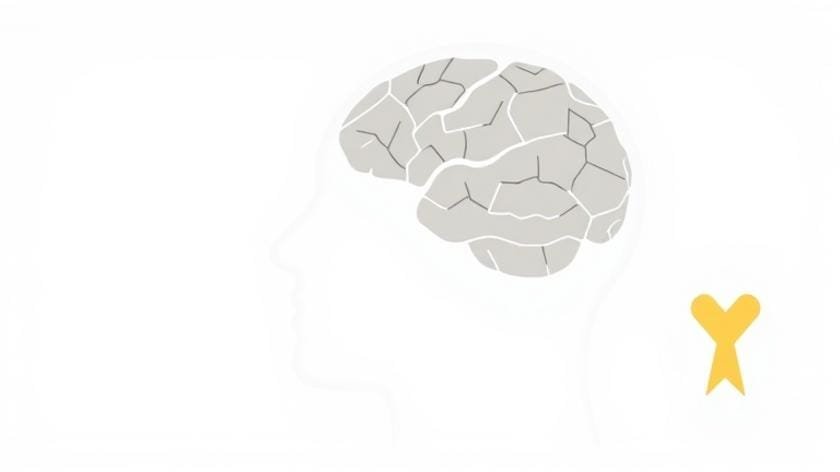
Modern imaging techniques reveal that reward processing is not isolated to a single brain region. The ventral tegmental area (VTA) projects dopamine to the nucleus accumbens, generating the “pleasure” sensation. Simultaneously, the prefrontal cortex evaluates the long‑term value of the reward, influencing decision‑making and self‑control.
When Intrinsic Motivation dominates, the medial prefrontal cortex lights up, indicating that the brain is rewarding the activity itself, not just its outcome. This explains why artists, scientists, and athletes often report “flow” states—situations where the activity is its own reward.
## Types of Rewards and Their Effects {#types-of-rewards-and-their-effects}
| Reward Type | Typical Use | Psychological Impact | Best Context |
|————-|————-|———————-|————–|
| Monetary Bonus | Sales targets, project completion | Immediate gratification; may undermine long‑term commitment if overused | Short‑term projects with clear metrics |
| Public Recognition | Employee of the month, shout‑outs | Boosts esteem; leverages social proof | Teams where collaboration is prized |
| Skill‑Based Growth | Training, mentorship | Enhances competence, feeds Intrinsic Motivation | Roles requiring continuous learning |
| Autonomy Grants | Flexible schedules, remote work | Increases ownership, reduces burnout | Knowledge‑work environments |
| Symbolic Tokens | Badges, points, gamified stickers | Triggers habit formation via variable reinforcement | Customer loyalty programs |
Choosing the right mix hinges on the audience’s values and the desired behavior. Overreliance on any single category can produce diminishing returns or even counterproductive outcomes.
## Designing Effective Reward Programs {#designing-effective-reward-programs}
1. **Align with Core Values** – Rewards should echo the organization’s mission; otherwise they feel disjointed.
2. **Balance Frequency and Magnitude** – Frequent small rewards maintain momentum, while occasional larger rewards create peaks of excitement.
3. **Incorporate Choice** – Allowing recipients to select their reward taps into autonomy, strengthening the link to Intrinsic Motivation.
4. **Measure and Iterate** – Use metrics such as participation rates, satisfaction scores, and performance trends to refine the program over time.
When these principles are applied thoughtfully, the result is a self‑reinforcing loop where individuals pursue goals because they genuinely value the process and the outcome. For a deeper dive into implementation tactics, see this detailed guide.

## Comparison of Reward Models {#comparison-of-reward-models}
| Model | Focus | Strengths | Weaknesses | Ideal Setting |
|---|---|---|---|---|
| Transactional | Extrinsic incentives | Clear ROI, easy to track | Risk of crowding‑out Intrinsic Motivation | Sales, short‑term campaigns |
| Transformational | Growth and purpose | Builds loyalty, fosters innovation | Longer lead time for results | R&D, creative industries |
| Hybrid | Balanced mix | Combines immediacy with depth | Complex design, needs constant monitoring | Large enterprises with diverse teams |
The hybrid approach often yields the most sustainable outcomes because it respects both the instant gratification that drives quick wins and the deeper, self‑sustaining drives illuminated by psychology of rewards research.
## FAQ {#faq}
**What brain chemical is most linked to reward?**
Dopamine drives the reward response.
**Can too many rewards backfire?**
Yes, it can diminish intrinsic drive.
**Are non‑monetary rewards effective?**
Absolutely, especially for creative tasks.
**How often should rewards be given?**
Balance frequency; avoid over‑saturation.
**Do cultural differences affect reward perception?**
They shape preferred reward types.
## Conclusion and Final Takeaways {#conclusion-and-final-takeaways}
The study of psychology of rewards reveals that motivation is not a one‑size‑fits‑all phenomenon. By recognizing the distinct roles of external incentives and internal drives, leaders can craft reward systems that not only spark immediate action but also nurture lasting engagement. Integrating neuroscience insights, thoughtful reward typologies, and flexible program design creates an environment where individuals feel both valued and intrinsically motivated.
For practitioners ready to elevate their incentive strategies, the next step is to audit current practices against the principles outlined above, experiment with balanced reward mixes, and monitor behavioral data for continuous improvement. This evidence‑based cycle ensures that reward systems remain dynamic, equitable, and aligned with both organizational goals and human nature.