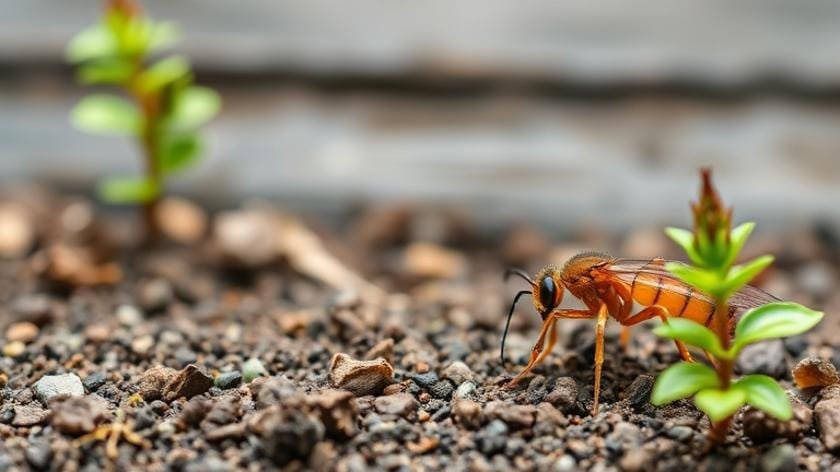
Natural Pest Control Ideas for a Healthier Home
Living in a home that feels safe from unwanted insects and rodents is a fundamental part of everyday comfort, yet many conventional solutions rely on harsh chemicals that can linger in the air, on surfaces, and even in the food we prepare. Embracing natural pest control ideas offers a way to protect health, preserve indoor air quality, and reduce environmental impact without sacrificing effectiveness.
Thank you for reading this post, don't forget to subscribe!In this guide we explore practical strategies that homeowners can adopt, ranging from simple kitchen tricks to broader landscape adjustments. By integrating proven techniques and a mindset of prevention, you can create a healthier living space while staying aligned with sustainable living principles.
Table of Contents
- Understanding the Need for Natural Pest Management
- Common Household Pests and Their Behaviors
- DIY Natural Pest Control Strategies
- Integrating Organic pest control methods
- Preventive Maintenance and Habitat Modification
- Safety and Environmental Considerations
- Comparison of Selected Natural Solutions
- FAQ
- Conclusion and Final Takeaways
Understanding the Need for Natural Pest Management
Modern households face a paradox: while we benefit from tighter food storage, increased indoor living, and global trade that brings exotic species, we also encounter a higher likelihood of pest incursions. Traditional pesticides can quickly eradicate an infestation, but they may also disrupt beneficial insects, contaminate water sources, and trigger pesticide resistance. Natural pest control ideas focus on disrupting the life cycle of pests, removing attractants, and enhancing the balance of micro‑ecosystems inside and around the home.
Research from university extension programs indicates that a multi‑layered approach—combining physical barriers, biological deterrents, and cultural practices—reduces pest pressure by up to 70 % compared with chemical‑only programs. This data underscores the value of treating pest management as an ecosystem service rather than a single‑point problem.
Common Household Pests and Their Behaviors
To apply any natural pest control ideas effectively, you first need to understand the culprits:
- Ants: Follow scent trails to food sources; moisture attracts carpenter ants.
- Spiders: Prefer undisturbed corners and outdoor lights that lure insects.
- Fruit flies: Thrive on fermenting fruit, dirty drains, and overripe vegetables.
- Rodents: Seek shelter in wall voids, attics, and cluttered basements.
- Stored‑product insects (e.g., pantry moths, beetles): Infest dry goods where they can lay eggs.
Each species exploits a specific niche. Recognizing those patterns directs you toward the most efficient natural interventions.
DIY Natural Pest Control Strategies
Below are proven, low‑cost tactics that can be implemented without specialized equipment:
1. Diatomaceous Earth (Food‑Grade)
A fine powder of fossilized algae that punctures the exoskeletons of insects, causing dehydration. Sprinkle a thin line along baseboards, behind appliances, or directly on infested pantry items. Reapply after cleaning.
2. Essential Oil Sprays
Many insects dislike compounds such as peppermint, lavender, and citronella. Mix 10‑15 drops of essential oil with a cup of water and a teaspoon of dish soap; spray on entry points, window sills, and cracks. This method addresses both ants and spiders.
3. Vinegar Traps for Fruit Flies
Combine equal parts apple cider vinegar and water in a shallow dish, add a drop of dish soap, and cover with plastic wrap pierced with tiny holes. The flies are lured in but cannot escape.
4. Boric Acid Baits for Cockroaches
Mix one part boric acid with three parts sugar and a bit of water to form a paste. Place small dabs in corners and under sinks. The sugar attracts, and the boric acid disrupts the roach’s digestive system.
5. Physical Barriers
Seal cracks with caulk, install door sweeps, and use mesh screens on vents. For rodents, add steel wool to small holes before sealing with expanding foam.
These strategies, when used together, embody the principle of integrated pest management (IPM) and demonstrate the efficacy of natural pest control ideas in everyday settings.
Integrating Organic pest control methods
Beyond DIY solutions, there are commercially available products certified as organic. These typically rely on botanical extracts (e.g., neem oil, pyrethrin from chrysanthemum flowers) that degrade quickly and pose minimal risk to humans and pets. When selecting such products, verify the following:
- Certification by a recognized organic standards body.
- Specific target spectrum — some botanicals affect beneficial insects.
- Application instructions that emphasize timing (e.g., early evening) to protect pollinators.
Combining these products with the home‑grown tactics above creates a layered defense that maximizes efficacy while maintaining a low chemical footprint.
Preventive Maintenance and Habitat Modification
Prevention is the cornerstone of lasting pest control. Regular housekeeping tasks that may seem trivial become powerful deterrents when performed consistently:
- Food Storage: Store dry goods in airtight glass containers; waste should be emptied daily.
- Moisture Control: Repair leaky pipes, use dehumidifiers in basements, and ensure gutters direct water away from the foundation.
- Landscape Management: Trim vegetation at least 18 inches from the house, remove standing water, and keep firewood stacked away from walls.
- Seasonal Inspections: Before spring, examine attic insulation, crawl spaces, and exterior walls for new entry points.
Each of these steps reduces the “attractiveness” of your home to pests, allowing natural pest control ideas to work with less effort.
Safety and Environmental Considerations
While natural solutions are generally safer than synthetic chemicals, they are not risk‑free. Essential oils can irritate skin or cause respiratory issues for sensitive individuals; diatomaceous earth may be dusty and harmful if inhaled in large quantities. Always wear gloves when handling powders, test a small area for allergic reactions, and keep all products out of reach of children and pets.
From an ecological perspective, favoring native plants in your garden supports predatory insects such as lady beetles and parasitic wasps that naturally curb pest populations. This approach aligns with broader sustainability goals and reinforces the effectiveness of the natural pest control ideas you are implementing indoors.
Comparison of Selected Natural Solutions
| Solution | Target Pests | Application Frequency | Cost (USD) | Environmental Impact |
|---|---|---|---|---|
| Diatomaceous Earth | Ants, Cockroaches, Bed Bugs | Every 2‑3 weeks | 5‑10 | Low (mineral, non‑toxic) |
| Peppermint Oil Spray | Spiders, Ants, Flies | Weekly | 8‑12 | Low (biodegradable) |
| Neem Oil (Organic) | Leaf‑eating insects, Mites | Bi‑weekly | 12‑18 | Moderate (botanical, breaks down quickly) |
| Steel Wool + Foam (Rodent Seal) | Rats, Mice | Once (after inspection) | 3‑7 | Low (physical barrier) |
| Vinyl Fruit‑Fly Traps | Fruit Flies | Replace monthly | 2‑5 | Low (non‑chemical) |
For further reading on how each method aligns with broader sustainable living, you may explore additional guidance within this article.
FAQ
- Can I use essential oils around pets? Choose pet‑safe oils like lavender; avoid tea tree and citrus around cats.
- How long does diatomaceous earth remain effective? It stays active as long as it stays dry; reapply after cleaning.
- Will neem oil harm indoor plants? Used at recommended dilution, it is safe for most houseplants.
- What is the best way to keep rodents out? Seal entry points and eliminate food sources.
- Are organic pest sprays as fast‑acting as chemicals? They work slightly slower but are safer for humans and the environment.
Conclusion and Final Takeaways
Implementing natural pest control ideas is not a single‑step fix; it is an ongoing commitment to observation, prevention, and selective intervention. By understanding pest biology, employing low‑impact DIY tactics, and supplementing with certified Organic pest control methods when necessary, homeowners can achieve lasting protection without compromising health or the environment.
Begin with a thorough inspection, prioritize sealing and sanitation, then layer targeted natural solutions as described. Over time, these practices will reduce reliance on chemicals, support beneficial organisms, and create a home environment that naturally resists unwanted intruders. For a deeper dive into specific product recommendations, feel free to return to this guide later and apply the strategies that suit your unique situation.
Take the first step today: assess your home, choose a few simple actions, and watch how a proactive, nature‑based approach transforms your living space into a healthier, more resilient sanctuary.