Famous Spirit Stories That Will Captivate Your Imagination
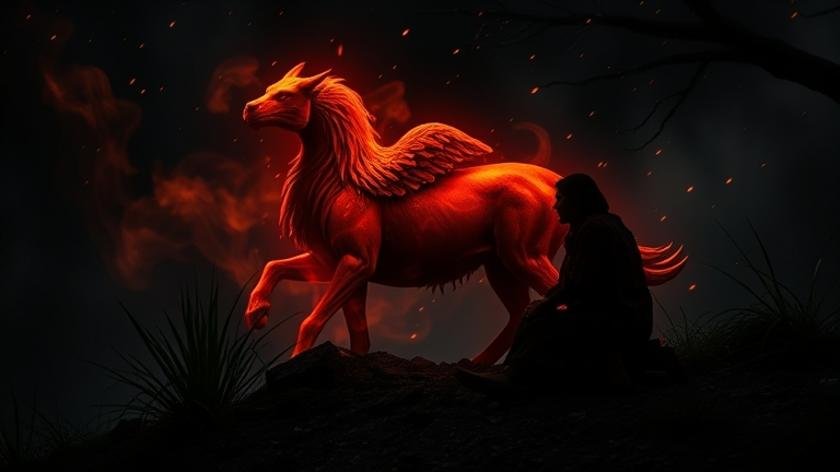
Across cultures and centuries, humans have turned to the unseen to explain mysteries, comfort the grieving, and ignite imagination. The allure of spirit stories famous storytelling lies in their ability to weave moral lessons with the uncanny, offering a mirror in which societies examine both collective fears and aspirations. From whispered campfire legends to printed folktales that survive modern reinterpretations, these narratives continue to shape how we perceive the invisible world.
Thank you for reading this post, don't forget to subscribe!When we explore the tapestry of spirit stories famous storytelling, we uncover patterns that reveal universal human concerns—mortality, justice, love, and the unknown. By tracing these threads through diverse traditions, we gain insight into the psychological power behind each tale and why they remain compelling long after the ink has dried.
Table of Contents
- The Origin of Spirit Narratives
- Iconic Western Spirit Tales
- Asian Spirit Legends
- African Spirit Stories
- Modern Interpretations and Media
- Comparative Overview
- Frequently Asked Questions
- Conclusion and Final Takeaways
The Origin of Spirit Narratives
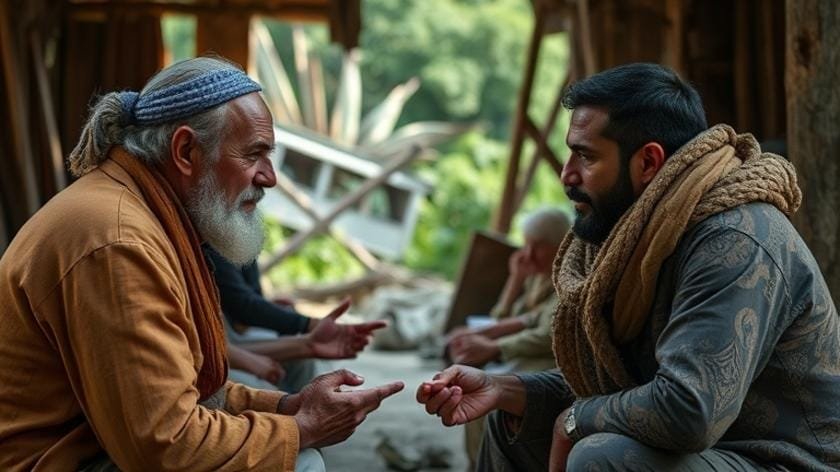
The earliest recorded accounts of spirits arise from oral traditions that predate written history. In primitive societies, Folklore served as a communal repository for events that could not be explained by observable means—stormy nights, sudden illnesses, or unexpected harvest failures. By personifying these forces as spirits, communities created a framework for negotiation: rituals to placate, stories to warn, and songs to honor.
Anthropologists note that the act of storytelling itself is a ritualized exchange, reinforcing group identity while transmitting cultural knowledge. The communal retelling of spirit encounters not only solidified belief systems but also ensured that each generation inherited a shared moral compass—an essential survival tool in uncertain environments.
Iconic Western Spirit Tales
Western canon boasts a gallery of spirits whose names echo across literature and popular culture. The *Will-o’-the-Wisp* of English marshlands tempts travelers into treacherous bogs, embodying the danger of false hope. Meanwhile, the *Headless Horseman* from Washington Irving’s *The Legend of Sleepy Hollow* epitomizes the lingering war trauma of post‑Revolutionary America, a spectral reminder that unfinished business can haunt a nation.
The American South offers the chilling legend of the *Bell Witch*, whose tormented cries are said to have driven a family to madness. In each case, the narrative functions as a cautionary tableau—warn travelers of dangerous terrain, caution about unchecked ambition, or illustrate the psychological scars of conflict. These stories continue to inspire novels, films, and even video games, proving the durability of well‑crafted spirit lore.
Asian Spirit Legends
Across East Asia, spirits often embody moral dualities, serving both as protectors and avengers. Japan’s *Yūrei*—ghostly figures bound by unresolved emotions—mirror the nation’s historical emphasis on honor and filial piety. The classic tale of *Okiku* from the *Banchō Sarayashiki* tragedy illustrates how a betrayed servant’s spirit seeks retribution, reinforcing societal expectations of loyalty.
In China, the *Hungry Ghost* festival (Ullambana) invites communities to offer alms to wandering souls, reflecting Buddhist compassion. Meanwhile, Korea’s *Gumiho*—a nine‑tailed fox spirit—oscillates between benevolent healer and predatory seductress, embodying the cultural tension between desire and discipline. These narratives reveal how spirit stories adapt to regional philosophies while retaining a core fascination with the unseen.
African Spirit Stories
African narratives often place spirits at the heart of communal well‑being. The *Mami Wata* water deity, venerated along the West African coast, is portrayed as a mermaid‑like figure who grants wealth and fertility, yet demands reverence. In West African *Anansi* tales, the trickster spider occasionally summons spirit allies to outwit larger predators, reinforcing the value of wit over brute strength.
Southern African *Mamlambo* legends warn of seductive river spirits that lure children into watery graves, serving as cautionary tales for parental vigilance. These stories are typically performed through dance, music, and visual art, cementing the spiritual connection in everyday life and ensuring that ethical teachings are experienced rather than merely heard.
Modern Interpretations and Media
The digital age has breathed new life into ancient spirit narratives. Television series such as *Supernatural* and *The Haunting of Hill House* repackage classic motifs with contemporary anxieties—technology, mental health, and identity. Video games like *Hellblade: Senua’s Labyrinth* integrate Celtic spirit beliefs to explore psychosis, offering players an immersive empathy‑building experience.
Authors now blend traditional motifs with genre‑bending storytelling. Neil Gaiman’s *American Gods* juxtaposes the omnipresent *Anansi* with modern corporate deities, illustrating how spirit stories famous storytelling can comment on present‑day social dynamics. These modern reimaginings prove that spirits remain a versatile vehicle for exploring the human condition.
For those interested in digging deeper, you can explore more details about how these narratives influence contemporary creative works.
Comparative Overview
| Region | Prominent Spirit | Core Theme | Typical Moral |
|---|---|---|---|
| Western Europe | Will‑o‑the‑Wisp | Deception & Survival | Beware false promises. |
| North America | Bell Witch | Retribution | Unresolved grievances linger. |
| East Asia | Yūrei | Unfinished Business | Honor your promises. |
| West Africa | Mami Wata | Wealth & Balance | Respect natural forces. |
| Southern Africa | Mamlambo | Temptation | Guard the vulnerable. |
To broaden your research, consult a broader web search: Famous Spirit Stories That Will Captivate Your Imagination.
Frequently Asked Questions
- What defines a spirit story? A tale featuring non‑physical entities that influence the mortal world.
- Are spirit stories rooted in history? Yes, many originate from real events interpreted supernaturally.
- Do all cultures share similar spirit motifs? Themes like retribution and protection appear worldwide.
- Can modern media preserve traditional spirit narratives? Absolutely; adaptations keep them relevant.
- How do spirit stories teach morals? Through consequences faced by characters interacting with spirits.
Conclusion and Final Takeaways
The endurance of spirit narratives demonstrates their unrivaled capacity to translate abstract anxieties into concrete, memorable tales. Whether whispered around a hearth in remote villages or streamed to millions through digital platforms, these stories continue to serve as cultural mirrors—reflecting values, warning against excess, and nurturing a sense of shared humanity. By studying and sharing spirit stories famous storytelling, we preserve not only the myths themselves but also the ethical frameworks they carry across generations.
The journey through the world’s most captivating spirit tales reminds us that the unseen is not merely a source of fear, but a fertile ground for empathy, creativity, and community cohesion. Embracing these narratives invites us to listen to the quiet voices that have guided humans for millennia, enriching our present and informing the stories we will tell tomorrow.
If you found this exploration insightful, consider explore more details within this article for further reflection.