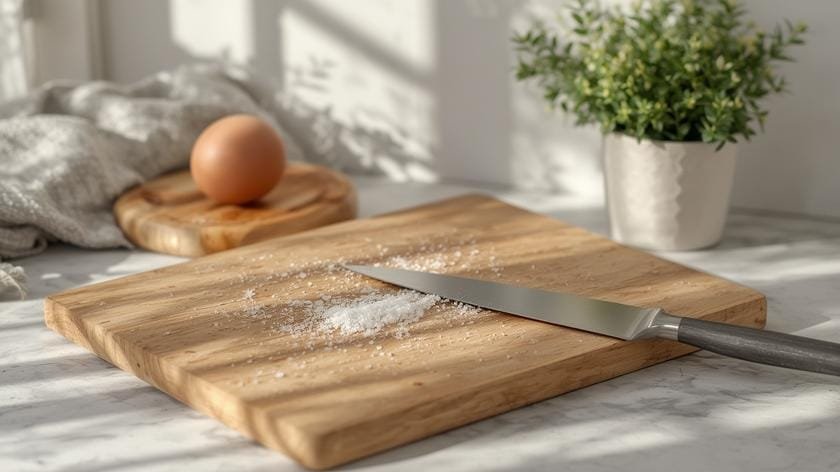
Best Cutting Board Maintenance Tips for Long-Lasting Use
The longevity of a kitchen work surface often hinges on how consistently it receives proper attention. Even the most premium boards can become breeding grounds for bacteria, develop unsightly stains, or warp under repeated use if they are not cared for correctly. Understanding the science behind moisture absorption, oil penetration, and surface abrasion empowers home cooks to protect their investment and maintain a hygienic prep area.
Thank you for reading this post, don't forget to subscribe!Applying best cutting board maintenance tips isn’t just about aesthetics; it directly influences food safety and flavor integrity. By integrating routine cleaning, periodic conditioning, and mindful storage, you create a resilient surface that supports everything from delicate herbs to heavy‑handed chopping without compromising performance.
Table of Contents
– Understanding Cutting Board Materials
– Daily Cleaning Routine
– Deep Conditioning & Oiling
– Stain and Odor Removal
– Preventing Warping and Cracks
– Choosing the Right Board for Your Kitchen
– Maintenance Schedule Checklist
– Comparison Table
– FAQ
– Conclusion and Final Takeaways
Understanding Cutting Board Materials
Cutting boards come in a variety of materials—hardwoods (such as maple, walnut, and cherry), bamboo, plastic, composite, and even glass. Each material reacts differently to moisture, temperature, and mechanical stress. Hardwoods are prized for their self‑healing properties; the wood fibers compress and expand, sealing minor cuts. Bamboo, while technically a grass, offers a harder surface but can be more prone to cracking if not properly oiled. Plastics are dishwasher‑safe but tend to develop deep grooves where bacteria can hide.
When selecting a board, consider the frequency of use, the types of foods you prepare, and the cleaning methods you prefer. For chefs who value knife longevity, a dense hardwood board paired with regular oiling provides the most forgiving surface. If you need a board that can survive a dishwasher cycle, a high‑density polyethylene (HDPE) board may be more appropriate, though it will require periodic replacement.
Daily Cleaning Routine
A consistent cleaning habit is the cornerstone of best cutting board maintenance tips. Immediately after use, scrape off food particles with a bench scraper or a stiff brush. Rinse with warm water and a mild dish soap, then dry thoroughly with a clean towel. Avoid soaking the board, as prolonged exposure to water can cause wood fibers to swell and eventually split.
For plastic boards, a quick cycle in the dishwasher on the top rack is acceptable, but always inspect for deep cuts that could harbor microbes. For wooden boards, never submerge them; instead, use a damp cloth followed by immediate drying. This daily ritual removes surface contaminants and prevents the buildup of odors.
Deep Conditioning & Oiling
Beyond daily cleaning, periodic deep conditioning restores the board’s natural oils and reinforces its structural integrity. Choose a food‑grade mineral oil, walnut oil, or a specialized board cream. Apply a generous amount to a clean, dry surface, allowing the oil to soak for at least 15 minutes. Wipe off excess with a lint‑free cloth, then let the board rest for several hours or overnight.
Repeating this process every 1–2 weeks for heavily used boards, and monthly for occasional use, aligns with the best cutting board maintenance tips framework. The oil penetrates the wood’s pores, creating a barrier that repels moisture and reduces the likelihood of cracking.
Stain and Odor Removal
Stubborn stains from beetroot, turmeric, or red wine, as well as lingering odors from garlic or onions, can be tackled without harsh chemicals. Sprinkle coarse sea salt over the board, then rub with a halved lemon, applying gentle pressure. The abrasive action lifts pigments while the citric acid neutralizes odors. For deeper stains, create a paste of baking soda and water, let it sit for 10 minutes, then scrub and rinse.
If the board has absorbed strong odors, a brief soak in a solution of one part white vinegar to four parts water can help. After soaking for a few minutes, rinse thoroughly and dry. These natural remedies preserve the board’s finish while adhering to the best cutting board maintenance tips philosophy of non‑toxic care.
Preventing Warping and Cracks
Warpage typically results from uneven drying or exposure to extreme temperature changes. To mitigate this, store the board flat on a stable surface, avoiding leaning it against a wall where one side may receive more heat. Rotate the board periodically so that both sides receive equal wear. When cleaning, use a spray bottle rather than a running faucet to control water exposure.
If a crack does appear, sand the area lightly with fine‑grit sandpaper, then re‑oil. Small fissures can be sealed with a mixture of wood glue and mineral oil, but larger cracks may necessitate replacing the board. Consistent adherence to the best cutting board maintenance tips regimen dramatically reduces the risk of irreversible damage.
Choosing the Right Board for Your Kitchen
Your cooking style dictates the optimal board type. For delicate tasks like slicing sashimi, a soft‑grained wood such as Japanese maple offers a gentle surface that preserves blade edge. For heavy chopping of root vegetables, a denser hardwood like walnut provides durability. If you frequently prepare raw meat, consider a separate color‑coded plastic board to avoid cross‑contamination.
Investing in a set of boards—one for meats, one for vegetables, and one for breads—allows you to rotate usage, extending each board’s lifespan. Pair this strategy with the principles of best cutting board maintenance tips to maintain a hygienic, efficient workspace.
Maintenance Schedule Checklist
Below is a practical checklist that integrates daily, weekly, and monthly actions. Use it as a reference to ensure no step is overlooked.
– After each use: Scrape, wash with mild soap, dry.
– Weekly: Apply mineral oil (or board cream) to the entire surface.
– Monthly: Perform deep cleaning with salt‑lemon or baking‑soda method.
– Quarterly: Inspect for cracks, sand if necessary, re‑oil.
– Bi‑annually: Rotate boards, store flat, and evaluate for warping.
maintenance schedule adherence transforms routine chores into a proactive preservation plan, reinforcing the longevity of your investment.
Comparison Table
| Feature | Hardwood (Maple) | Bamboo | Plastic (HDPE) | Composite |
|---|---|---|---|---|
| Knife friendliness | Excellent – self‑healing | Good – slightly harder | Fair – can dull blades | Good – engineered softness |
| Water resistance | Moderate – needs oil | Low – prone to swelling | High – dishwasher safe | High – dense surface |
| Durability | High – lasts years | Medium – may crack | Medium – scratches over time | High – resistant to cuts |
| Maintenance effort | Regular oiling | Frequent oiling | Minimal – occasional replacement | Low – occasional cleaning |
| Eco‑friendliness | Renewable wood | Fast‑growing grass | Petroleum‑based | Mixed materials |
FAQ
How often should I oil a wooden board?
Every 1–2 weeks for heavy use; monthly for light use.
Can I put my wooden board in the dishwasher?
No; water damage and warping will occur.
What’s the safest way to remove a salmonella smell?
Use a lemon‑salt scrub, then rinse and dry.
Is bamboo a good alternative to hardwood?
It’s harder but requires more frequent oiling.
Do plastic boards need to be replaced often?
Replace when deep grooves appear that cannot be cleaned.
Conclusion and Final Takeaways
Investing time in proper board care yields dividends in food safety, knife longevity, and overall kitchen efficiency. By integrating the outlined daily cleaning steps, regular oiling cycles, and targeted stain‑removal techniques, you align with the best cutting board maintenance tips methodology that seasoned professionals trust. Remember that each board type has unique needs; applying the appropriate wood cutting board care routine ensures that even the most heavily used surfaces remain reliable for years to come.
For a deeper dive into board selection and care strategies, explore additional resources such as the maintenance schedule guide or consult reputable culinary forums. Consistency is the key—make these practices a habit, and your cutting boards will reward you with durability and performance.
Ready to put these practices into action? Start today, and enjoy a cleaner, safer, and more efficient cooking environment.