Legendary Stories That Will Leave You Breathless
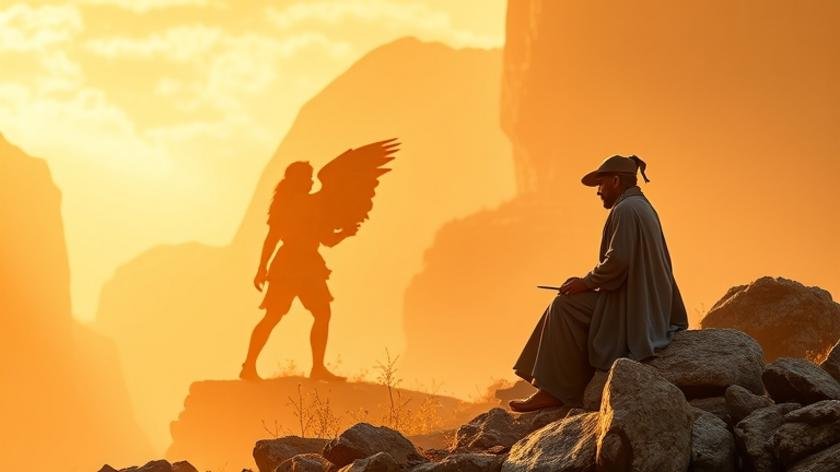
The allure of ancient narratives stretches far beyond mere entertainment; they are vessels of cultural memory, moral instruction, and the raw imagination of our ancestors. When we explore the depth of legend legendary stories, we uncover a tapestry woven with heroism, tragedy, and timeless wisdom that continues to shape modern storytelling. These narratives survive because they resonate on a human level, echoing universal desires for triumph, love, and understanding of the unknown.
Thank you for reading this post, don't forget to subscribe!In the following pages, we will journey through some of the most compelling tales that have survived centuries of oral tradition and written record. By examining their origins, themes, and lasting impact, readers will gain insight into why these legends remain breath‑taking, enduring fixtures in the collective imagination around the globe.
## Table of Contents
– Origins of Legendary Tales
– Mythic Heroes Across Cultures
– Supernatural Creatures That Captivate
– Moral Lessons Embedded in Legends
– Comparative Evaluation
– FAQ
– Conclusion and Final Takeaways
## Origins of Legendary Tales
Every culture possesses a cradle of myth, a point where mythic imagination first meets the spoken word. In Mesopotamia, the Epic of Gilgamesh emerged from clay tablets, chronicling a king’s quest for immortality and confronting the limits of human power. In the Indian subcontinent, the Vedic hymns sowed the seeds for the later epics of Mahabharata and Ramayana, where divine intervention intertwines with mortal dilemmas.
These formations are not random; they stem from the human need to codify experience, especially during times of social upheaval or natural disaster. By personifying storms, floods, and disease, ancient peoples could discuss the incomprehensible in a relatable format. The spread of trade routes and conquests further blended regional motifs, producing hybrid legends that traveled far beyond their birthplace.
Understanding the roots of narrative provides a framework for appreciating why later generations still revisit these ancient accounts. The continuous reinterpretation of stories also illustrates the fluid nature of tradition—each retelling adds new layers while preserving core archetypes.
## Mythic Heroes Across Cultures
Heroes embody the aspirations of their societies, and across continents a remarkable similarity appears in their stories. From the Norse thunder god Thor, who wields Mjölnir against giants, to the West African trickster Anansi, who uses wit to outsmart oppressors, the motif of the courageous individual confronting chaos is universal.
In East Asia, the tale of the Monkey King (Sun Wukong) blends rebellion, cleverness, and spiritual growth. His journey across heavens and earthly realms mirrors humanity’s own quest for self‑realization. Meanwhile, the Greek hero Theseus slays the Minotaur, symbolizing the triumph of rationality over monstrous intuition.
These legendary protagonists often undergo a three‑stage transformation: departure, initiation, and return. This pattern, famously outlined by Joseph Campbell’s monomyth, reinforces a shared cultural template for personal development. The repeated use of Folklore motifs within these narratives highlights how societies unconsciously recycle similar structural elements, even when the surface details differ dramatically.
## Supernatural Creatures That Captivate
Beyond human heroes, the world of legend legendary stories teems with beings that embody natural forces and societal fears. The Japanese kappa, an amphibious river spirit, warns children against reckless play near water, while the Celtic banshee’s mournful wail serves as a harbinger of death, reminding communities of life’s fragility.
In South American traditions, the Amazonian river monster known as the Yacumama is invoked to explain sudden drownings, embodying the unpredictable danger of the jungle waterways. The Australian Aboriginal Dreamtime features the Rainbow Serpent, a creator entity that governs water, fertility, and seasonal cycles, tying spiritual reverence directly to ecological stewardship.
These creatures serve dual purposes: they personify environmental hazards, and they provide narrative mechanisms for societies to discuss taboo subjects—such as mortality, sexuality, and social transgression—within a safe, allegorical framework. The recurring presence of monstrous figures across divergent cultures underscores the universality of humanity’s attempt to externalize internal anxieties.
## Moral Lessons Embedded in Legends
While awe and entertainment are central, the staying power of legend legendary stories lies in the ethical teachings they transmit. The African tale of the Tortoise and the Hare, for instance, champions perseverance over arrogance, a lesson still taught to children worldwide.
In the Middle East, the story of Scheherazade from One Thousand and One Nights illustrates the power of storytelling itself as a means of survival, emphasizing intelligence, compassion, and the strategic use of narrative to alter fate. Similarly, the Native American legend of the Two Wolves, relayed by Cherokee chief Oorang, depicts an internal battle between virtue and vice, urging listeners to nurture the positive aspects of their nature.
These moral kernels are often woven seamlessly into plot, ensuring that the didactic element does not feel preachy but rather integral to the emotional journey. Modern adaptations—whether in literature, film, or video games—continue to draw upon these ancient frameworks, proving their relevance in shaping contemporary values.
Explore how timeless themes translate today and see why educators still reference ancient legends when discussing character development and ethical decision‑making.
## Comparative Evaluation
Below is a concise table that compares four iconic legends from different regions, assessing their narrative components, cultural impact, and why they continue to leave readers breathless.
| Story | Region | Key Theme | Why It Resonates |
|---|---|---|---|
| The Epic of Gilgamesh | Mesopotamia | Mortality & Friendship | Human quest for eternal meaning against inevitable loss. |
| Ramayana | South Asia | Duty & Devotion | Idealized virtues guide personal and societal conduct. |
| Beowulf | Scandinavia | Heroism & Legacy | Illustrates the tension between fame and inevitable downfall. |
| Journey to the West | East Asia | Spiritual Growth | Blend of comedy and philosophy makes complex ideas accessible. |
## Frequently Asked Questions
**Q1: What defines a “legend” versus a “myth”?**
A: Legends usually involve human protagonists with historic roots; myths focus on gods and creation.
**Q2: Are all legendary stories rooted in real events?**
A: Many contain kernels of truth, but details are often embellished over time.
**Q3: How can I use legends in modern storytelling?**
A: Adapt core archetypes and themes to contemporary settings while respecting originals.
**Q4: Why do cultures share similar hero patterns?**
A: Shared psychological structures produce comparable narrative arcs worldwide.
**Q5: Where can I find reliable sources on ancient legends?**
A: Academic journals, university press editions, and reputable museum archives.
**Q6: Can legends influence personal values?**
A: Yes; repeated exposure shapes ethical perspectives and cultural identity.
## Conclusion and Final Takeaways
The enduring power of legend legendary stories lies not only in their capacity to astonish but also in their role as cultural repositories. By examining origins, heroic patterns, supernatural beings, and embedded morals, we see a cohesive picture: legends function as mirrors reflecting humanity’s deepest fears, hopes, and ethical dilemmas. Their adaptability ensures that each generation can rediscover and reinterpret them, keeping the narratives alive and breath‑taking.
For readers and creators alike, delving into these time‑tested tales offers both inspiration and a roadmap for crafting stories that resonate across ages. Embrace the rich tapestry of global narratives, and you’ll find a well‑spring of insight that fuels imagination, informs values, and strengthens the connective tissue of our shared human heritage.
If you found this exploration valuable, consider revisiting the sections linked above to deepen your understanding and to see how these legends continue to shape literature, film, and everyday storytelling.