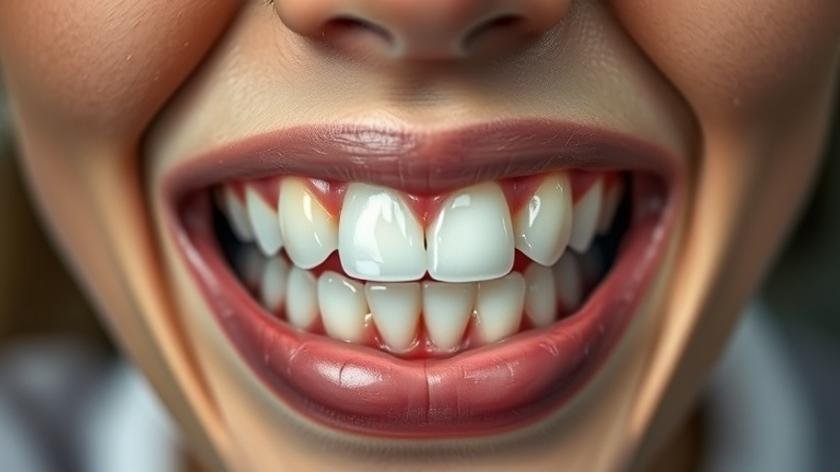
Losing Teeth in Dreams: A Negative Omen or a Sign of Anxiety?
Loslosing teeth dreams negative interpretation often feels unsettling, especially when the dream leaves a lingering sense of dread upon waking. Researchers suggest that such vivid nocturnal episodes are rarely random; they tend to surface during periods of heightened emotional turbulence or major life transitions. When the subconscious mind projects the image of teeth falling out, it may be echoing unresolved worries about personal appearance, communication, or a perceived loss of control.
Thank you for reading this post, don't forget to subscribe!The psychological ripple effect extends beyond the dream itself, influencing daytime mood and confidence. Many individuals report waking with a sudden surge of Tooth loss anxiety, which can subtly shape their interactions and self‑perception. Understanding the layered meanings behind this common motif provides a roadmap for addressing the underlying stressors that fuel both the dream and its aftereffects. By exploring the symbolism, cultural context, and practical coping tools, readers can transform a night‑time alarm into an opportunity for personal growth.
## Table of Contents
– Psychological Interpretation of Losing Teeth in Dreams
– Cultural and Historical Perspectives
– The Link Between Dream Content and Tooth Loss Anxiety
– Practical Strategies for Reducing Recurring Dreams
– Comparison Table: Negative Omen vs. Anxiety Signal
– Frequently Asked Questions
– Conclusion and Final Takeaways
## Psychological Interpretation of Losing Teeth in Dreams {#psychological-interpretation}
The subconscious often employs familiar bodily symbols to convey abstract emotional states. Teeth, being both functional and ornamental, serve as a potent metaphor for personal power, self‑esteem, and the ability to “bite” into life’s challenges. When the dream narrative features teeth crumbling, loosening, or disappearing, it typically mirrors a perceived erosion of confidence or an imminent change that threatens one’s sense of competence.
### Core Themes
1. **Loss of Control** – Teeth require precise coordination; their loss can signal feelings of helplessness in a waking situation.
2. **Communication Fear** – Since teeth are essential for speech, the dream may point to anxiety about expressing thoughts or being misunderstood.
3. **Aging and Mortality** – The natural decline of dental health can evoke deeper concerns about aging, health decline, or death.
Academic literature connects these themes to stress‑induced REM sleep activity, where the brain rehearses scenarios that might jeopardize survival or social standing. Consequently, the losing teeth dreams negative interpretation often functions as a pressure‑release valve, allowing the mind to process worry in a symbolic safe space.
## Cultural and Historical Perspectives {#cultural-perspectives}
Across civilizations, the loss of teeth in dreams has carried both ominous and protective connotations. In ancient Egyptian texts, a dream of teeth falling out was interpreted as a warning of impending illness or familial discord. Similarly, traditional Chinese dream dictionaries link the motif to a loss of wealth, especially if the teeth are white and pristine, indicating a decline in material prosperity.
Conversely, some Indigenous Australian narratives perceive the image as a sign of personal transformation. The shedding of teeth parallels the shedding of old identities, making way for renewed purpose. These divergent readings highlight how cultural lenses shape the weighting of the same visual cue.
Modern Western psychology, however, tends to prioritize individual emotional context over collective mythos. By juxtaposing historical symbolism with contemporary research, readers can discern whether their personal experience aligns more closely with a cultural warning or a personalized stress indicator.
## The Link Between Dream Content and Tooth Loss Anxiety {#anxiety-connection}
Empirical studies demonstrate a robust correlation between recurring dental‑themed dreams and measurable anxiety levels. Participants who reported frequent episodes of teeth falling out also scored higher on the State‑Trait Anxiety Inventory (STAI), suggesting that the dream content is not merely incidental but a reflective surface of deeper nervous system arousal.
### Mechanisms at Play
– **Physiological Arousal:** Elevated cortisol during the day can intensify REM sleep intensity, making emotionally charged symbols more vivid.
– **Cognitive Bias:** Individuals prone to health‑related worries may subconsciously tune into oral health cues, magnifying their dream prominence.
– **Feedback Loop:** The distress experienced upon waking reinforces pre‑sleep anxiety, creating a self‑sustaining cycle.
Researchers advise monitoring daily stressors that might trigger this loop, such as upcoming presentations, dental appointments, or relationship disputes. Recognizing the connection offers a pathway to interrupt the pattern before it hardens into a chronic dream motif.
For a broader view of how anxiety shapes nightly narratives, you may explore more insights within this article.
## Practical Strategies for Reducing Recurring Dreams {#practical-strategies}
While it is impossible to control every dream, targeted lifestyle adjustments can diminish the frequency and emotional intensity of unsettling episodes. Below are evidence‑based interventions:
1. **Sleep Hygiene Optimization**
– Maintain a consistent bedtime and wake‑time schedule.
– Limit caffeine and electronic screen exposure at least two hours before sleep.
2. **Stress Management Techniques**
– Practice mindfulness meditation for 10‑15 minutes daily to lower baseline anxiety.
– Incorporate progressive muscle relaxation (PMR) before bed to reduce physiological tension.
3. **Dream Re‑script**
Write down the dream immediately upon waking, then rewrite the ending so that the teeth remain intact or are restored. Rehearse this new version mentally before sleep.
4. **Cognitive‑Behavioral Therapy (CBT) for Nightmares**
Engaging a therapist trained in Image Rehearsal Therapy (IRT) can systematically reshape recurring nightmares, reducing their distressing impact.
5. **Physical Health Checks**
Schedule regular dental examinations to address any real‑world oral health concerns that might be feeding subconscious worries.
Implementing these steps often yields a noticeable drop in both the intensity of the losing teeth dreams negative interpretation and the associated morning unease. For an external perspective, you can consult a Google search on the article’s title: search results.
## Comparison Table: Negative Omen vs. Anxiety Signal {#comparison-table}

| Aspect | Negative Omen Interpretation | Anxiety‑Based Interpretation |
|---|---|---|
| Primary Focus | Forewarning of external events (e.g., loss, illness) | Internal emotional state (stress, fear) |
| Typical Triggers | Major life changes, cultural beliefs | Elevated daily stress, health worries |
| Emotional Tone | Sense of dread, fatalism | Anxious agitation, restlessness |
| Actionable Response | Consult spiritual or cultural adviser | Implement stress‑reduction techniques |
| Long‑Term Outlook | Depends on external event resolution | Improves with anxiety management |
## Frequently Asked Questions {#faq}
– **What does it mean when I dream of my teeth falling out?**
Symbolic loss of control or confidence, often tied to stress.
– **Can these dreams predict real‑world events?**
No scientific proof; they reflect internal states more than futures.
– **How often should I worry about this dream?**
If it recurs weekly and disrupts sleep, consider professional help.
– **Do diet or oral health affect dream content?**
Physical discomfort can influence dream imagery, but not directly cause it.
– **Is there a gender difference in dream frequency?**
Studies show modest variations, with women reporting slightly more dental‑related dreams.
## Conclusion and Final Takeaways {#conclusion}
Dreams about losing teeth serve as a mirror held up to our waking anxieties and cultural narratives. While the losing teeth dreams negative interpretation can feel like a dire omen, a careful examination often reveals a more nuanced picture: a subconscious alarm signaling unresolved stress, communication fears, or transitional life phases. By integrating cultural awareness, psychological insight, and practical self‑care strategies, readers can demystify the motif, reduce its recurrence, and harness the experience as a catalyst for personal growth.
If you found this exploration useful, consider revisiting the article to reinforce the coping techniques and deepen your understanding of dream symbolism.