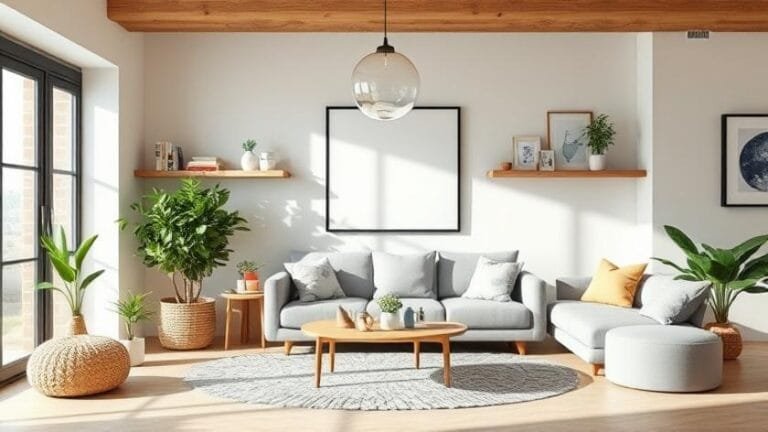
Sustainable Home Improvement Ideas Guide
Modern homeowners are increasingly seeking ways to blend comfort, style, and responsibility. By embracing a home improvement ideas sustainable guide, you can transform your living space while reducing environmental impact and future utility costs. This approach encourages careful selection of materials, energy‑efficient systems, and design principles that align with both personal values and the planet’s needs.
Thank you for reading this post, don't forget to subscribe!Whether you are renovating a single room or undertaking a full‑scale retrofit, the principles outlined in this guide provide a roadmap for achieving lasting, eco‑conscious results. Integrating green practices early in the planning phase ensures that every upgrade contributes to a healthier home environment and a smaller carbon footprint, setting the stage for a truly sustainable lifestyle.
Table of Contents
- Understanding Sustainability in Home Renovations
- Energy‑Efficient Upgrades
- Water Conservation Strategies
- Sustainable Materials and Finishes
- Indoor Air Quality Improvements
- Smart Home Integration
- Comparison of Key Improvements
- Frequently Asked Questions
- Conclusion and Final Takeaways
Understanding Sustainability in Home Renovations
Before selecting any specific upgrade, it is essential to define what sustainability means in the context of a residence. This involves evaluating the lifecycle impact of materials, the energy consumption of installed systems, and the long‑term health of occupants. A well‑rounded assessment also considers local climate, building orientation, and existing structural constraints.
Adopting a holistic viewpoint helps prioritize interventions that deliver the greatest environmental return on investment. For example, improving insulation may yield deeper energy savings than swapping out a single appliance, especially in older homes where thermal loss is significant.
Energy‑Efficient Upgrades
Heating, ventilation, and air‑conditioning (HVAC) systems typically account for the largest portion of a household’s energy use. Replacing an outdated furnace with a high‑efficiency heat pump can cut heating bills by up to 40 % while reducing greenhouse gas emissions. Pair this with programmable thermostats and zoned heating to fine‑tune consumption.
Lighting represents another quick win. Transitioning to LED fixtures provides near‑instant savings, and when combined with daylight‑harvesting controls, the impact is amplified. Moreover, the use of solar photovoltaic panels can move a home toward net‑zero electricity usage, especially when paired with energy storage solutions.
Water Conservation Strategies
Reducing water usage not only conserves a precious resource but also decreases the energy required for heating water. Install low‑flow showerheads, faucet aerators, and dual‑flush toilets to achieve up to 30 % reduction in water demand.
Consider integrating rainwater harvesting systems for landscape irrigation and toilet flushing. Grey‑water recycling, when appropriately filtered, can further extend the utility of household water without compromising health standards.
Sustainable Materials and Finishes
When choosing building materials, prioritize those with recycled content, low embodied energy, and certified sourcing. Bamboo flooring, reclaimed wood, and recycled‑content insulation are excellent options that blend durability with environmental stewardship.
Paints and adhesives free of volatile organic compounds (VOCs) improve indoor air quality while minimizing off‑gassing. For countertops, consider engineered stone made from recycled glass or paper composites, which provide a durable surface without the extraction impacts of natural stone.
Indoor Air Quality Improvements
Healthy indoor air is a cornerstone of any Eco Friendly Home Makeover. Installing high‑efficiency particulate air (HEPA) filtration within HVAC systems can capture allergens, particulates, and even some airborne pathogens. Ensure proper ventilation by incorporating energy‑recovery ventilators (ERVs) that exchange stale indoor air with fresh outdoor air without compromising thermal efficiency.
Seal gaps and cracks in the building envelope using low‑VOC caulks and weatherstripping. This not only improves energy performance but also prevents infiltration of pollutants and moisture, which can lead to mold growth.
Smart Home Integration
Automation amplifies the benefits of sustainable upgrades. Smart thermostats learn occupancy patterns, adjusting heating and cooling to match real‑time needs. Similarly, smart irrigation controllers synchronize watering schedules with weather forecasts, preventing over‑watering.
Integrating energy monitoring platforms enables homeowners to visualize consumption trends, identify wasteful habits, and set targeted reduction goals. These technologies, when paired with the strategies outlined in this home improvement ideas sustainable guide, create a feedback loop that continually optimizes performance.
Comparison of Key Improvements
| Upgrade | Typical Payback Period | Potential Energy Savings | Environmental Impact |
|---|---|---|---|
| High‑Efficiency Heat Pump | 5–7 years | 30–40 % | Reduces CO₂ emissions by ~2,500 kg/year |
| LED Lighting Retrofit | 1–2 years | 70–80 % | Lower manufacturing waste |
| Low‑Flow Fixtures | Immediate | 15–25 % | Conserves water resources |
| Recycled‑Content Insulation | 3–5 years | 10–20 % | Uses post‑consumer waste material |
| Solar PV with Storage | 8–12 years | 50–100 % | Offsets grid electricity use |
Frequently Asked Questions
What is the first step in a sustainable remodel? Conduct a full home energy audit.
Can I achieve net‑zero without solar panels? Yes, through extreme efficiency and offset purchases.
Do eco‑friendly materials cost more? Initial costs can be higher, but paybacks exist.
How often should HVAC filters be replaced? Every 3 months for optimal performance.
Is a smart thermostat worth it? It typically saves 10‑15 % on heating/cooling.
Conclusion and Final Takeaways
Implementing a home improvement ideas sustainable guide empowers homeowners to make informed, responsible choices that benefit both the environment and the household budget. By addressing energy, water, material, and indoor quality dimensions in a coordinated manner, each improvement compounds the effectiveness of the others.
Begin with a clear assessment, prioritize high‑impact upgrades, and leverage smart technology to sustain gains over time. For continuous learning, explore resources such as this comprehensive guide and stay updated on emerging green innovations. Your commitment to sustainable home improvement not only enhances comfort today but also preserves resources for generations to come.