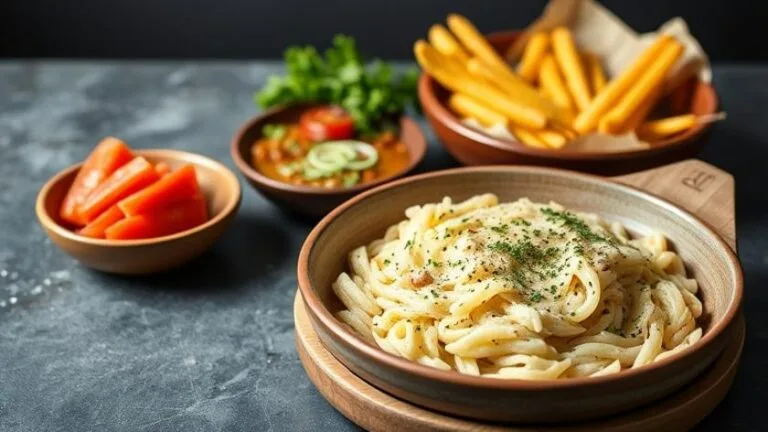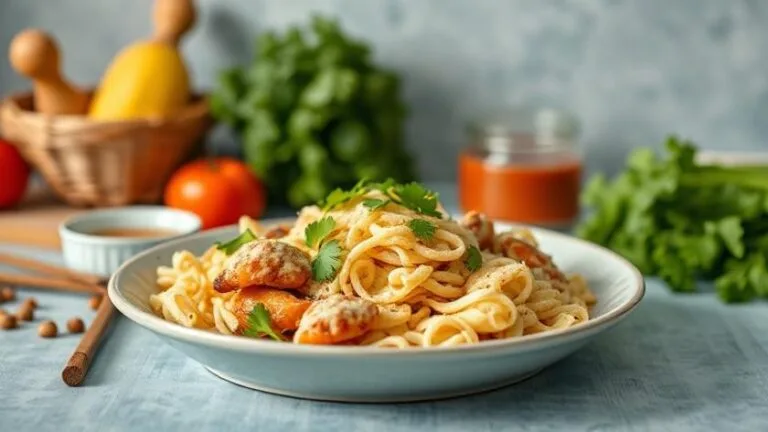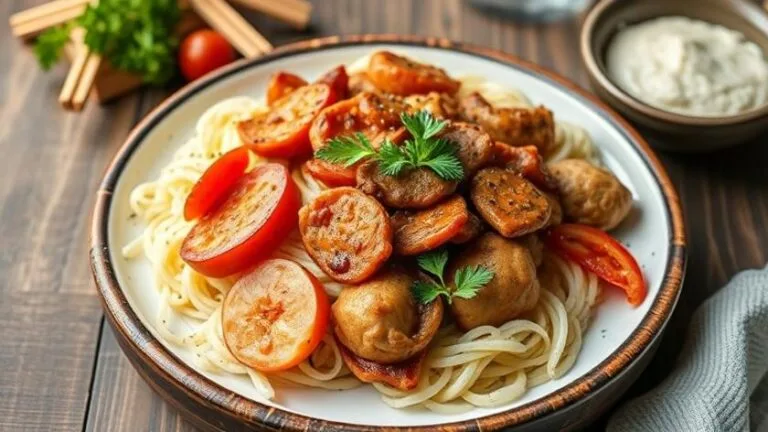
Authentic Afghan Food Recipes to Savor
Afghanistan’s culinary heritage is a tapestry woven from centuries of trade routes, mountainous terroir, and the generous hospitality of its people. When you begin exploring authentic afghan food recipes, you quickly discover a balance of fragrant spices, fresh herbs, and hearty grains that speak to both the rugged landscape and the cosmopolitan influences that have passed through its valleys.
Thank you for reading this post, don't forget to subscribe!These dishes embody more than flavor; they tell stories of nomadic caravans, royal courts, and family gatherings. By mastering authentic afghan food recipes, home cooks can bring a slice of this rich history to their tables while honoring the broader tapestry of Middle Eastern Cuisine that has inspired generations.
Table of Contents
- History and Cultural Roots
- Essential Ingredients
- Core Dishes
- Cooking Techniques
- Pairings and Beverages
- Health Benefits
- Tips for Success
- Dish Comparison Table
- FAQ
- Conclusion and Final Takeaways
History and Cultural Roots
Afghan gastronomy has been shaped by its position at the crossroads of the Silk Road. Traders from Persia, India, Central Asia, and the Ottoman Empire introduced spices such as cardamom, cinnamon, and saffron, while local wheat and rice fields provided the staple grains. The nomadic traditions of the Pashtun and Tajik peoples emphasized slow-cooked stews that could be prepared over open fires, a technique that persists in today’s hearth‑style kitchens.
Essential Ingredients
A typical pantry for Afghan cooking includes:
- Basmati rice – long, aromatic grains perfect for pilafs.
- Wheat flour – used for dumplings, flatbreads, and pastries.
- Red kidney beans and lentils – staple legumes in soups and salads.
- Raisins, carrots, and dried apricots – natural sweetness for balance.
- Spice blend (namak, cumin, coriander, black pepper, and a pinch of saffron) – creates the signature fragrant note.
Fresh herbs such as cilantro, mint, and dill finish each plate with a bright, cooling contrast.
Core Dishes
Below are the most celebrated dishes that capture the spirit of authentic afghan food recipes. Each entry includes a brief description, key ingredients, and a simplified preparation outline.
Kabuli Pulao
A celebratory rice pilaf studded with caramelized carrots, raisins, and toasted nuts. The rice is first parboiled, then layered with the garnish and simmered in a saffron‑infused broth for a fragrant finish.
Mantoo
Steamed dumplings filled with seasoned ground beef or lamb, onions, and a hint of cumin. Served with a hearty tomato‑yogurt sauce, mantoo is the Afghan counterpart to Central Asian mantı.
Ashak
Large pasta pockets stuffed with leeks and herbs, topped with a garlicky yogurt sauce and a drizzle of chili oil. The dish illustrates the fusion of Persian and Indian influences within Middle Eastern Cuisine.
Qabili (Qabuli Palaw)
Considered the national dish, this pilaf combines spiced lamb, raisins, carrots, and almonds. The meat cooks first, releasing a deep broth that the rice later absorbs, resulting in a one‑pot masterpiece.
Bolani
Thin, crisp flatbreads stuffed with potato, spinach, or pumpkin. Bolani is typically pan‑fried until golden and served with a side of tangy yogurt dip.
Cooking Techniques
Mastering Afghan cuisine hinges on a few core techniques:
- Layered Pilaf Method: Parboil rice, then layer with meat or vegetables, cover tightly, and steam.
- Steaming Dumplings: Use a bamboo steamer or a tightly fitted pot lid to retain moisture.
- Pan‑Frying Flatbreads: Cook on a medium‑hot skillet, pressing gently to achieve uniform puff.
- Slow‑Simmering Stews: Low heat extracts maximum flavor from meat and legumes.
These methods preserve the delicate aromatics and ensure the textures remain true to tradition.
Pairings and Beverages
Afghan meals are often accompanied by:
- Doogh: A cool, slightly salty yogurt drink infused with mint.
- Green tea (chai): Served plain or with a splash of rose water, perfect for digestion.
- Pomegranate juice: Provides a sweet‑tart contrast to rich meat dishes.
Fresh salads of cucumber, tomato, and onion dressed with lemon and sumac cleanse the palate between courses.
Health Benefits
The reliance on whole grains, legumes, and fresh herbs makes Afghan cuisine nutritionally robust. Lentils and beans contribute protein and fiber; pistachios and almonds add healthy fats; saffron and turmeric offer antioxidant properties. Moreover, the modest use of oil and the preference for steaming or steaming‑based cooking help keep calorie density moderate.
Tips for Success
- Rinse basmati rice until the water runs clear to remove excess starch.
- Toast spices briefly before grinding; this releases volatile oils and deepens flavor.
- Let dumpling dough rest 20 minutes to relax gluten, ensuring tender wrappers.
- Cover pilaf tightly with a clean kitchen towel before sealing the lid—this traps steam and yields fluffy grains.
- Adjust salt gradually; Afghan dishes are traditionally modestly seasoned, allowing individual diners to add more if desired.
For further guidance, explore more about Afghan cooking techniques within this article.
Dish Comparison Table
| Dish | Primary Protein | Cooking Time | Spice Level | Difficulty |
|---|---|---|---|---|
| Kabuli Pulao | Lamb or chicken | 45 min | Medium | Intermediate |
| Mantoo | Ground beef/lamb | 30 min | Mild | Easy |
| Ashak | Leek‑herb filling | 40 min | Medium | Intermediate |
| Bolani | Vegetable (potato/spinach) | 25 min | Mild | Easy |
FAQ
- What grain is most common in Afghan dishes? Basmati rice.
- Are Afghan meals typically spicy? They are moderately spiced, not hot.
- Can I make mantoo without meat? Yes, use lentils or mushrooms.
- Is bolani always fried? It can be baked for a lighter option.
- Do Afghan recipes require saffron? Saffron is traditional but optional.
Conclusion and Final Takeaways
Delving into authentic afghan food recipes offers more than a culinary adventure; it provides a window into a culture that values generosity, resilience, and flavor harmony. By mastering the essential ingredients, respecting time‑honored techniques, and pairing dishes thoughtfully, home cooks can recreate the warmth of an Afghan kitchen wherever they are. Embrace the fragrant spices, experiment with regional variations, and let each plate tell its own story of heritage and hospitality.
Ready to bring these flavors into your home? Review the steps, apply the tips, and enjoy the journey of discovery.
For further research, you may consult external sources such as Google search results or Bing search results.